Skip to main content
Founder

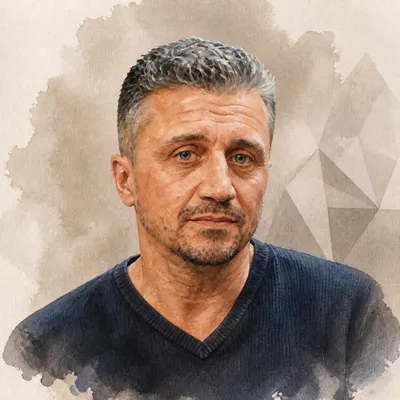
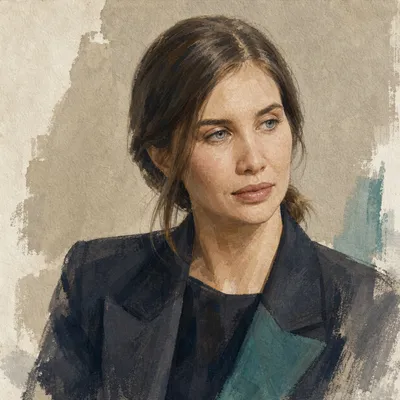
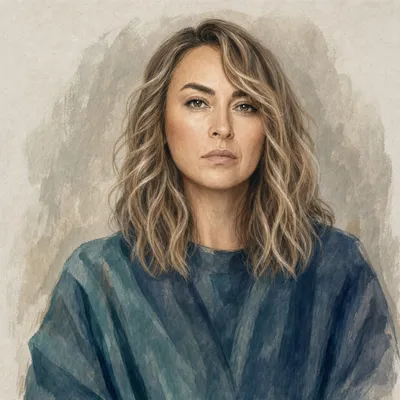
Tatiana Reusova
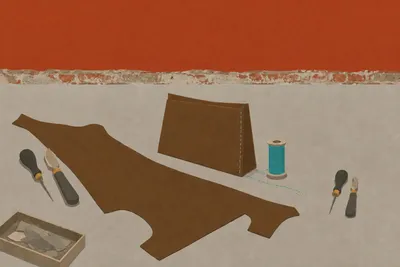
St. Petersburg had no skilled leather masters to hire, so Tatiana Reusova spent over a decade training her own — apprentice by apprentice.
Recent additions to our brand intelligence platform

Track the latest brand profiles, founder stories, market insights, and platform updates. See what's new across all content types in one place.
St. Petersburg had no skilled leather masters to hire, so Tatiana Reusova spent over a decade training her own — apprentice by apprentice.
Sanctions banned the Italian leather and German hardware this workshop was built on. It kept growing anyway — how remains undisclosed.
A 1591 crossroads city built an empire on diamonds, lost its capital twice, and still exports a cuisine it never quite gets to own.
Bought bricks before Russia's 1998 default. Bet on silver during the 2009 crisis. Handed his company to his 21-year-old son and walked away.
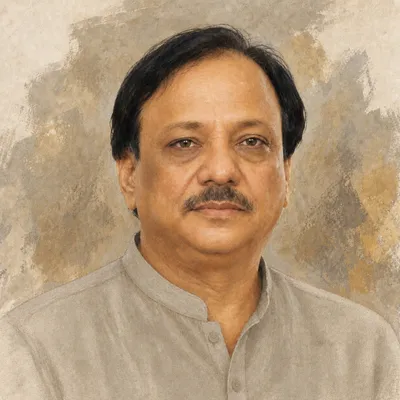
Ten rupees, a sick daughter, a false death report that erased his income overnight — he chose to stay and repay every rupee owed.
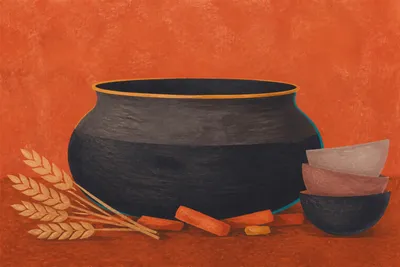
A false death report nearly destroyed this kitchen. Its haleem won India's first GI tag for a meat dish — beating Rasgulla in a vote.
She borrowed 13,000 rubles as a single mother with nowhere else to turn — a decade later, Gigi Hadid was wearing her suits repeatedly.
A new page state lets a founder review their own profile privately — invisible to search, lists, and site search, visible only via direct link.
The bottom menu on phones now shows exactly which section you're on — and every color choice passes accessibility contrast standards.
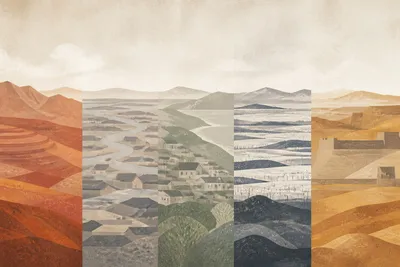
The founder transition wave doesn't have one shape — it has six, and the shape is the first thing worth knowing about any market.
He spent 30 years building storefronts he called his "trust factor." In 2020, he closed every one of them — on purpose, not from defeat.
Sold majority control to its much larger public parent in 2005. Regained it — and lost every one of its 28 storefronts — in the same year, 2020.
China's restaurant market is ¥5.5 trillion and barely 5% chain-owned. The founders who beat that number are aging out of that decision.
The first two papers argued the wave exists and standard instruments miss it. This shows what reading reveals: where visible, and what recurs in 23 handovers followed to an end.
A generation of founders across 46 markets is reaching the age at which businesses change hands — and almost none of it shows up in the data.
Executive summaries of the Brandmine Intelligence Whitepaper series: the founder transition wave, why it is hard to see, and what following the record to an ending shows.
A winery listed on a national exchange, a kitchen-appliance maker with ¥17 billion in revenue, and a beverage company that reached several billion dollars in revenue all return nothing usable from the platforms built to find private companies.
Everyone told her the oversize sweatshirt was pointless. She had a child, a car loan, no savings, no other options — and made it anyway.
Told customers to stop buying during 2020 lockdown, paid staff from reserves — turnover doubled, ₽1.9B revenue by 2024, no investors.
Phoenician port, Spanish presidio, EU border, live fault line — Melilla survived by repricing what it sells to whoever holds power.
Portugal captured the rock in a matter of hours in 1415 — and lost the trade network overnight. Ceuta has never recovered its centrality since.
He couldn't sleep for a year reconciling debits and credits — then built a ~₽689M brand on the same stubbornness that nearly sank it twice.
GATE31 kept all 287 staff and every store open as demand cooled in 2026 — the exact decision that had already nearly killed it once, in 2017.
Three Russian bakery-café founders hit the same cost squeeze. One named his limit and held it. One sold. One died before the question resolved.
He appeared in the lookbooks before he owned the company. When the famous co-founder left for Yeezy, the brand did not wobble.
A Moscow skate label lost its home market and its famous co-founder inside two years, and kept the name, the team and the supply chain.
Russia's best coffee brands aren't in Moscow — and 2022 didn't kill the ones that survived. It proved which founders still held the wheel.
Two failed production runs wiped out Georgy Yashin's ₽70,000 starting capital — his own mistakes, not bad luck. He sold his car and kept going.
A phone salesman with no F&B background applied one hard-won lesson from a business he left, building a listed kopitiam chain in five years.
ZNY earned Selfridges and Paris Fashion Week standing over a decade. Sanctions closed that channel in 2022 — so it rebuilt at home instead.
Like staying up to date? Get this in your inbox every Tuesday.
Subscribe to Brandmine WeeklyType to search across all brands, founders, and insights