 Skip to main content
Resilience Profile
BYD
In 2010, BYD's quarterly profit dropped 99% and Elon Musk laughed on camera. A decade later, BYD outsold Tesla and surpassed its revenue.
Shenzhen 🇨🇳
Brands with international revenue capability in place — from certified and ready to ship through actively exporting to multiple countries.

Export infrastructure in place means international revenue potential without years of foundational buildout. These brands have already navigated the regulatory, packaging, and logistics barriers that prevent most emerging market companies from reaching foreign buyers. Brandmine does not publish intelligence about active capital processes. Growth signals mark structural positioning identified through external research — not fundraising intent, deal activity, or founder awareness of the classification.
Interactive map showing brand locations across the Global South. Use proximity search, view regional clusters, and explore nearby brands.
Map data © CARTO © OpenStreetMap contributors
In 2010, BYD's quarterly profit dropped 99% and Elon Musk laughed on camera. A decade later, BYD outsold Tesla and surpassed its revenue.
Leapmotor's first car sold 1,000 units and triggered a government recall. Five years later, the company delivers 1,600 vehicles per day.
NIO's finance team counted cash in ¥10,000 units while the stock sat at $1.19. The gap between survival and collapse was 1,000 vehicles.

When 400 Chinese EV brands collapsed, a phone company delivered 50,000 car orders in 27 minutes — and 600,000 vehicles in 22 months.

184 cars sold the month XPeng launched its flagship G9. Stock crashed 80%, ten executives left. Two years on: 197,000 vehicles in six months.

Forty brands cut prices when Tesla slashed the Model Y. Zeekr loaded more technology into cheaper vehicles — and tripled its margins.
A dynasty survived Stalinism, war, and an international blockade — then rebuilt Abkhazia's wine from rubble to 28 million bottles.
A $5,000 soap formula became Russia's top organic brand. Then the founder died without a will—and the fairy tale outlived its storyteller.
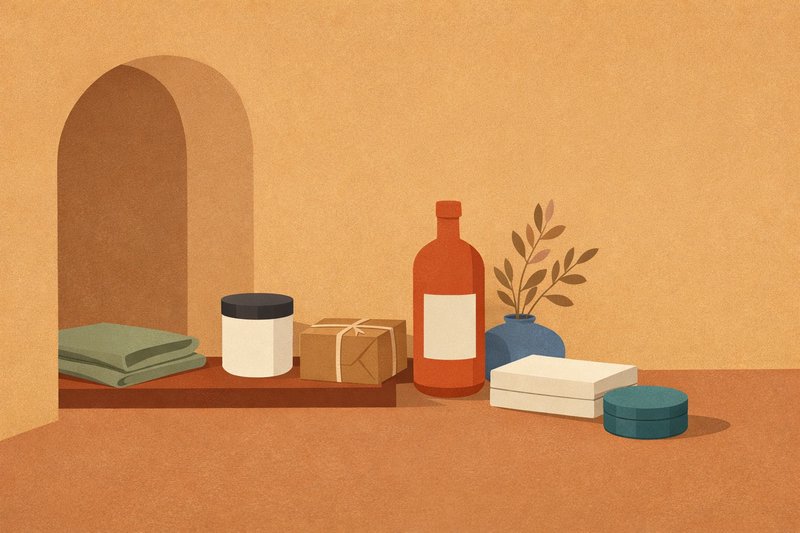
From nine vehicles in its first month to 10,000 a month by 2024, Avatr shows what China's CHN triple alliance can build from nothing.
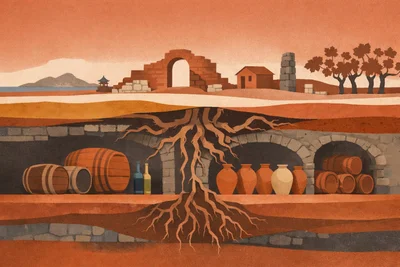
Founded in 1892 on a dinner-party remark. Survived bankruptcy, occupation, and revolution. Won China's first-ever Decanter Best in Show.

Seven Shopify products hide a 500-year medical dynasty — 120+ herbal medicines, 1,300 pharmacies, and Mongolia's highest medical honor.
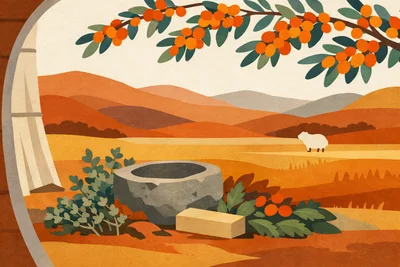
Zero capital, zero connections. A 20-year-old sold 5,000 bath bombs in 90 days and built Mongolia's first organic empire — no outside investors.
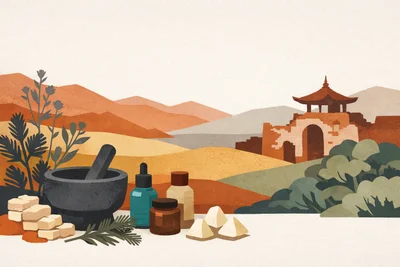
746 monasteries burned to erase Mongolian traditional medicine. One healing lineage survived in secret. The tenth generation now sells it.
A food mixer and three employees in 1989. Zero revenue by 1992. The nettle shampoo that survived became Mongolia's first cosmetics export.
She left a 161-country cosmetics career to return to a Mongolian farm. Four staff then built a four-country export architecture for 12 markets.
A €30,000 whisky bottle sits in SimpleWine's Moscow headquarters—debt payment from the 1998 crisis when currency was worthless.
He made his fortune in potatoes. Then buried grapevines at 53°N where winter hits -47°C. The 2019 frost killed half his harvest. He kept going.
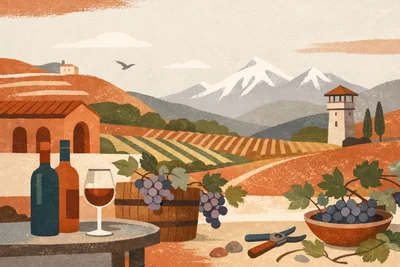
21 years of organic farming, no certification system. $18.7M in losses, forced sale. Then in 2022: first organic certification in Krasnodar.
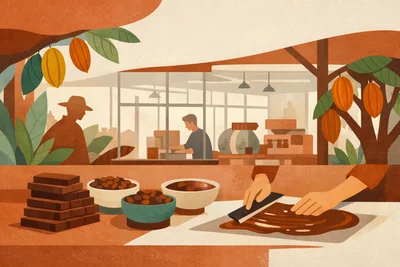
Malaysian cacao crashed 99.9%. This company pays farmers 3x market rates and won the country's first international chocolate awards.
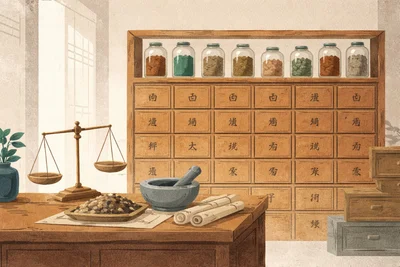
Uncles sold this 111-year-old TCM company to developers. Heirs bought it back for S$21 million—then sold it for S$808 million.

Nine years between funding rounds—surviving on margins while competitors burned cash. Now holds the world's first TCF diaper patent.
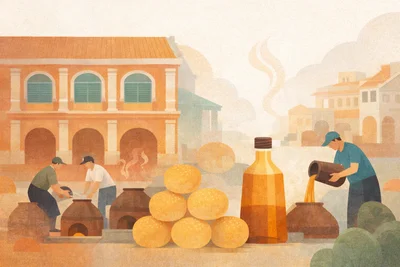
168 years old, seven in court. Four families nearly destroyed Malaysia's oldest confectionery. Sesame oil—not pastries—now 70% of revenue.
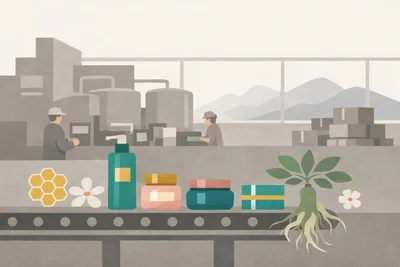
UN sanctions banned chemical imports. Unhasu pivoted to indigenous ingredients in weeks—6x production growth, 13x export surge by 2023.
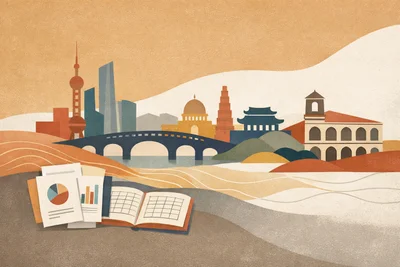
A misspelled surname, $500, and Deng's Southern Tour. Thirty-two years later: 40+ offices, $50M revenue, six crises survived by staying put.
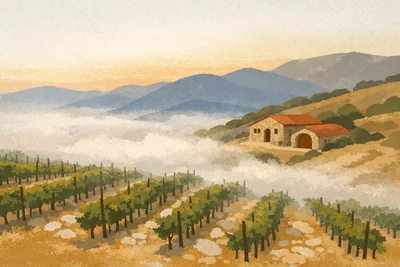
Russia's first sommelier champion planted biodynamic vines at 450m using methods no one had tried. Fourteen competitors followed.
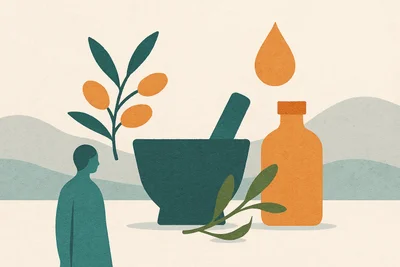
Twelve days after opening, thieves stole everything. Khulan caught the thief herself, survived three floods, built Mongolia's export leader

Russian Orthodox Church spent eight years preparing. Debut year: #12 nationally at 93.5 points. Two years in: Double Gold at Terravino.
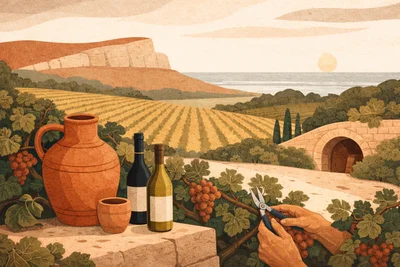
Eight years from borrowed licenses to Grand Prix champion. A self-taught ceramics maker built one of Russia's ten Laureate wineries.

From Ufa to Paris Fashion Week. Zero ad budget, Instagram-first. 150 stockists at peak—yet founder admits "all the same doubts—they are endless."
200K Fab Bag subscribers became SUGAR's secret weapon. Failed subscription transformed into intelligence moat L'Oréal can't replicate.
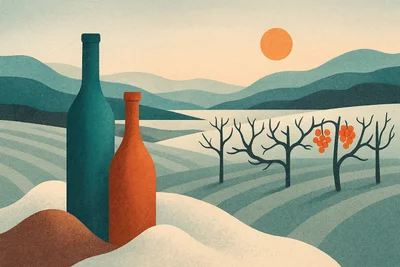
750,000 rubles per bottle—a Russian wine record. Krasnostop Zolotovsky grapes are DNA-verified to exist nowhere else on Earth.
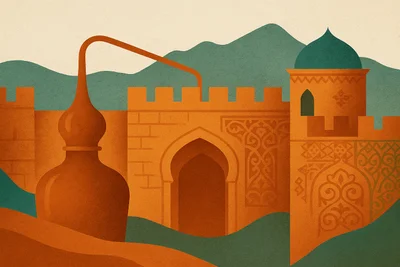
Gorbachev closed 600 liquor facilities—Derbent preserved its vineyards. 1998 devastated the industry—Derbent survived. 163 years.
In 1917, workers bricked up seven tunnels to hide the tsar's wines. The million-bottle collection survived five regime changes.
Imperial decree, Soviet survival, Western sanctions. In 152 years, Abrau-Durso has outlasted every force that tried to end it.
Soviet bulk winery hired an Australian consultant in 2004. Today: 36.6 million bottles, Parker 97, 800K bottles to China yearly.
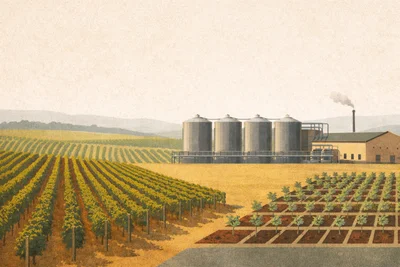
Two engineers spent $100M building Russia's largest winery—100% own grapes, 95.5M bottles. Then the state took it in 37 days.
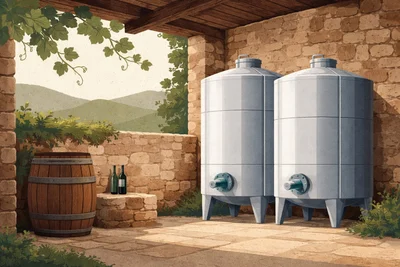
Against 28 million bottles of semi-sweet, a telecom CEO set up Italian equipment in an Abkhazian village and won five international medals.

Twenty-six products became three. Staff fell from eleven to seven. The pruning produced one of two Mongolian cosmetics with EU registration.
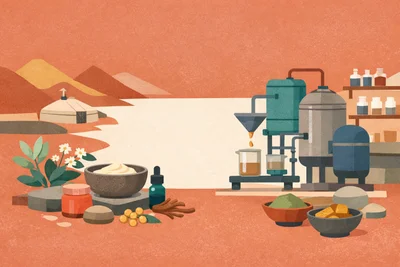
Mongolia's first ISO-certified sea buckthorn factory — German-engineered on Chinggis Khan's winter camp, exporting to five countries.

Fifteen rival brands, one export identity, a Berlin storefront — an English teacher built Mongolia's collective path to European shelves.
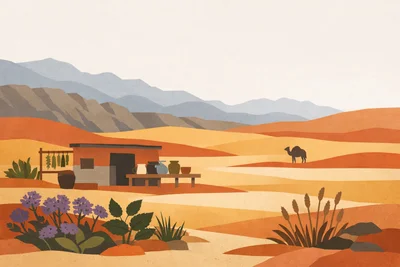
A beautician in the Gobi Desert sources camel milk from herders 216 kilometers away to make cosmetics no coastal competitor can replicate.
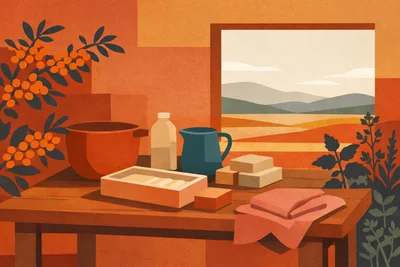
Twenty-one products from a mother's kitchen in Ulaanbaatar — priced $4 to $17, invisible online, yet stocked at New York's World Trade Center.
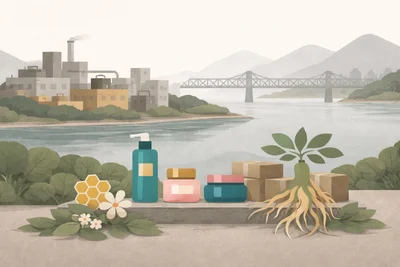
Three names, one factory, 80 years. A DPRK state enterprise that survived famine and sanctions by reinventing everything except the factory.
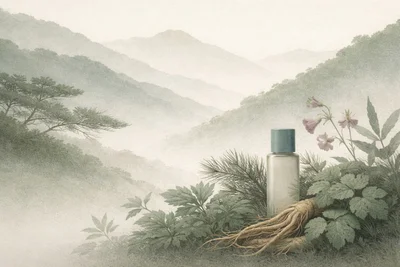
Outproduces North Korea's top cosmetics factory. Never visited by Kim Jong Un. Chinese partner untraceable. The DPRK's most hidden beauty brand.

Launched during SARS into Shanghai's missing middle. Academy-trained consistency scaled across continents—then survived the founder's full exit.
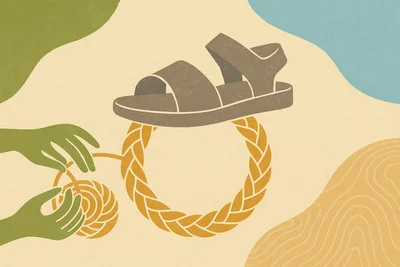
$5,000 on grandmother's land. 100,000 jobs created. Ethiopia's first global fashion brand. Artisan production as competitive moat.
Directory of emerging brands in our research pipeline.
| Brand | Website |
|---|---|
| Him Heang | — |
| LaPerla Mongolian | — |
| Spirit of Nature | — |
| Uulen | — |

Conventional platforms return zero results on a 12-location restaurant group, a ₽8.6 billion winery, and Russia's largest hospitality empire. The data exists. The synthesis does not.

Fifteen rival Mongolian cosmetics makers formed one collective export brand. The rivals who hid formulas now share a Berlin storefront.

A bottle sold for 750,000 rubles at auction. The grape: Krasnostop Zolotovsky. Russia's wine revolution — invisible, undeniable.

They had 9,000 products from other brands. Then they looked at Amazon's plans and realized they needed something no one else could sell.

A Hong Kong chef bought a bottle as a tourist, then declared it 'the best in the world' on TV. That made sesame oil 70% of revenue.

When Dezan Shira expanded to India and Vietnam in 2008, skeptics called it crazy. A decade later, US-China tensions proved the bet prescient.

When crises hit, Global South brands don't scramble for suppliers—they own them. Infrastructure ownership becomes unreplicable moat.

From yak milk and -40°C botanicals, Mongolia builds EU-certified beauty brands — nomadic tradition meeting modern organic certification.

Pollution allergies became a business empire. Columbia graduate Khulan couldn't find natural skincare in Mongolia—so she created Lhamour.

Sanctions closed Europe overnight. Fanagoria tripled China exports in 90 days—800,000 bottles redirected in three months proves agility wins.

Boris Titov rescued a 136-year imperial estate. His son inherited it, then sanctions arrived—and the real succession test began.

$5,000 startup created 100,000 jobs across 45 countries. World's first Fair Trade footwear proved poverty wasn't the problem—invisibility was.

PayPal blocked Mongolian payments. The workaround—foreign warehouses just to accept credit cards—became her competitive moat.
Type to search across all brands and founders