Sectors
Restaurants Distinctive dining establishments offering unique culinary experiences, regional specialties, or innovative concepts with strong brand identity. These restaurants build loyal followings through exceptional food quality, memorable atmosphere, and authentic cultural narratives that differentiate them from commodity dining.
20 Brands
Share
Concept Replication Restaurant brands with proven concepts, systematized operations, and strong local followings can scale through franchising, multi-unit expansion, or licensing. Authentic regional cuisine or unique dining concepts create differentiation that justifies premium pricing and supports geographic expansion into new markets.
Explore Brands by Location Interactive map showing brand locations across emerging markets. Use proximity search, view regional clusters, and explore nearby brands.
Interactive map is temporarily unavailable in your region. We're working on a China-compatible solution.
Tier
Clear
All Brands Resilient Profiled Listed Market
Clear
All Markets Abkhazia Argentina Armenia Azerbaijan Bahrain Bangladesh Brazil Cambodia Canada Chile China Colombia Côte d'Ivoire Cuba Egypt Ethiopia Georgia Ghana India Indonesia Iran Jordan Kazakhstan Kenya Kyrgyzstan Laos Lebanon Malaysia Mexico Mongolia Morocco Mozambique Myanmar Nepal Nigeria North Korea Pakistan Palestine Peru Philippines Russia Saudi Arabia Senegal Serbia Singapore South Africa Sri Lanka Taiwan Tanzania Thailand Tunisia Turkey United Arab Emirates Uzbekistan Vietnam Attribute
Clear
All Attributes Artisanal Excellence Award Winning Crisis-Tested Emerging Voice Founder-Led Founder-Owned Heritage Brand Legacy Dynasty Premium Positioning Regional Icon Second Generation Vertically Integrated Signals
PREMIUM
Export Ready Scale Ready Succession Ready
Resilient Brands A false death report nearly destroyed this kitchen. Its haleem won India's first GI tag for a meat dish — beating Rasgulla in a vote.
india India
restaurants Restaurants
founder-owned Founder-Owned founder-led Founder-Led crisis-tested Crisis-Tested award-winning Award Winning regional-icon Regional Icon artisanal-excellence Artisanal Excellence vertically-integrated Vertically Integrated Hyderabad Telangana India
1981: McDonald's landed in Manila with global scale. Jollibee out-tasted it — and by 2025 held 30.7% of the market to McDonald's 10.3%.
philippines Philippines
restaurants Restaurants
legacy-dynasty Legacy Dynasty crisis-tested Crisis-Tested regional-icon Regional Icon award-winning Award Winning vertically-integrated Vertically Integrated Pasig Metro Manila Philippines
Chowking's Chinese fast-food niche made rivals reformulate their own recipes — yet stayed too small to outgrow the partner who bought it in 2000.
philippines Philippines
restaurants Restaurants
crisis-tested Crisis-Tested founder-led Founder-Led founder-owned Founder-Owned regional-icon Regional Icon award-winning Award Winning Makati Philippines
A 2003 Penang open-bakery became a ~31-outlet, three-region chain by industrialising the back end and never franchising — buns still from RM2.
malaysia Malaysia
restaurants Restaurants
vertically-integrated Vertically Integrated award-winning Award Winning regional-icon Regional Icon crisis-tested Crisis-Tested George Town Penang Malaysia
A French-inspired café won factory and hospital canteens by reading as halal-friendly — yet no federal certificate sits on the public register.
malaysia Malaysia
restaurants Restaurants
founder-led Founder-Led founder-owned Founder-Owned vertically-integrated Vertically Integrated crisis-tested Crisis-Tested artisanal-excellence Artisanal Excellence Bayan Baru Penang Malaysia
Saudi Arabia's most-loved chicken chain refused to open in its own capital for 43 years. The deliberate scarcity is what made it number one.
Jeddah, Makkah Province 🇸🇦 saudi-arabia Saudi Arabia
restaurants Restaurants
heritage-brand Heritage Brand founder-owned Founder-Owned second-generation Second Generation regional-icon Regional Icon crisis-tested Crisis-Tested vertically-integrated Vertically Integrated award-winning Award Winning Jeddah Makkah Province Saudi Arabia
Rejected by banks and dismissed by rivals — Marrybrown built a 16-country halal QSR empire on the moves KFC and McDonald's could not copy.
malaysia Malaysia uae United Arab Emirates
restaurants Restaurants
founder-owned Founder-Owned founder-led Founder-Led crisis-tested Crisis-Tested second-generation Second Generation regional-icon Regional Icon award-winning Award Winning Johor Bahru Johor Malaysia
A single Deira outlet in 2000 became ~475 across ~45 countries — a halal QSR built for the emerging-market consumer the majors overlooked.
uae United Arab Emirates india India malaysia Malaysia indonesia Indonesia south-africa South Africa kenya Kenya ethiopia Ethiopia pakistan Pakistan
restaurants Restaurants
founder-owned Founder-Owned founder-led Founder-Led crisis-tested Crisis-Tested regional-icon Regional Icon Dubai United Arab Emirates
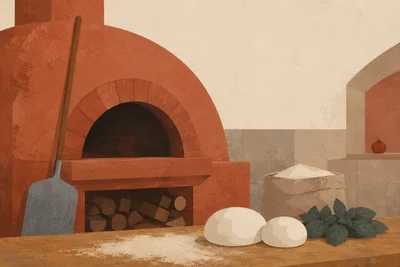
Salerno to Phuket: the family pizzaiolo who built five wood-fired branches supplied by the family's own mozzarella factory in Kathu.
thailand Thailand
restaurants Restaurants
founder-owned Founder-Owned founder-led Founder-Led artisanal-excellence Artisanal Excellence crisis-tested Crisis-Tested vertically-integrated Vertically Integrated award-winning Award Winning second-generation Second Generation Phuket Phuket Thailand
Six-figure rebrand, then a pandemic: 51,790 community meals later, Penang's first Tamil fine-dining restaurant opened on the other side.
malaysia Malaysia
restaurants Restaurants
founder-owned Founder-Owned founder-led Founder-Led premium-positioning Premium Positioning crisis-tested Crisis-Tested artisanal-excellence Artisanal Excellence emerging-voice Emerging Voice George Town Penang Malaysia
Eighteen restaurant concepts under one founder-owned roof — built on the gambit that premium-priced Indian cuisine could clear MICHELIN.
malaysia Malaysia
restaurants Restaurants
founder-owned Founder-Owned crisis-tested Crisis-Tested award-winning Award Winning premium-positioning Premium Positioning regional-icon Regional Icon artisanal-excellence Artisanal Excellence Kuala Lumpur Malaysia
Eight outlets on one Kuala Lumpur street, built by the operator who arrived first and held the lease through revenue at five percent of normal.
malaysia Malaysia
restaurants Restaurants
founder-owned Founder-Owned crisis-tested Crisis-Tested award-winning Award Winning premium-positioning Premium Positioning Kuala Lumpur Kuala Lumpur Malaysia
Twenty-seven years on the same Shanghai street — Da Marco closed voluntarily for two months in 2022 and found its customers still waiting.
china China
restaurants Restaurants
founder-owned Founder-Owned crisis-tested Crisis-Tested heritage-brand Heritage Brand artisanal-excellence Artisanal Excellence Shanghai China
Malaysia's oldest restaurant lost 60% of its workforce in 18 months. Three years later, it opened a six-storey fine dining flagship.
malaysia Malaysia
restaurants Restaurants
heritage-brand Heritage Brand legacy-dynasty Legacy Dynasty founder-owned Founder-Owned crisis-tested Crisis-Tested artisanal-excellence Artisanal Excellence award-winning Award Winning premium-positioning Premium Positioning regional-icon Regional Icon George Town Penang Malaysia
A restaurant chain built around cakes, a halal crisis that shut 297 outlets, and a 56-day sprint that turned compliance into a B2B supply channel.
Petaling Jaya, Selangor 🇲🇾 malaysia Malaysia singapore Singapore indonesia Indonesia thailand Thailand china China
restaurants Restaurants halal-foods Halal Foods
founder-owned Founder-Owned crisis-tested Crisis-Tested regional-icon Regional Icon premium-positioning Premium Positioning Petaling Jaya Selangor Malaysia
A freight forwarder, not a chef, built China's largest Italian food brand. When Shanghai locked down ten venues, his supply chain held.
china China
restaurants Restaurants gourmet-foods Gourmet Foods spirits Spirits
vertically-integrated Vertically Integrated crisis-tested Crisis-Tested founder-owned Founder-Owned premium-positioning Premium Positioning artisanal-excellence Artisanal Excellence Shanghai Shanghai China
Four crises in twenty years. 150 restaurants built through counter-cyclical expansion. The empire that grows when competitors close.
russia Russia
restaurants Restaurants
founder-owned Founder-Owned Saint Petersburg Saint Petersburg Russia
Profiled Brands 456 followers, cash-only, born in a hotel lobby — yet two Penang outlets in three years, built by a chef who carried Aleppo out of a war.
malaysia Malaysia
restaurants Restaurants halal-foods Halal Foods
founder-owned Founder-Owned crisis-tested Crisis-Tested artisanal-excellence Artisanal Excellence George Town Penang Malaysia
A former construction engineer opened 3 restaurants during a pandemic that closed hundreds. Now Penang's halal fine dining scene belongs to him.
malaysia Malaysia
restaurants Restaurants
founder-owned Founder-Owned premium-positioning Premium Positioning regional-icon Regional Icon crisis-tested Crisis-Tested George Town Penang Malaysia
One location for eleven years. Then three in two years. When pandemic shuttered competitors, its grocery model kept revenue flowing.
malaysia Malaysia
gourmet-foods Gourmet Foods restaurants Restaurants
founder-owned Founder-Owned artisanal-excellence Artisanal Excellence crisis-tested Crisis-Tested premium-positioning Premium Positioning Kuala Lumpur Kuala Lumpur Malaysia
Search:
Country:
Tier:
With Website
Clear all
Loading...
Country
All countries
Brand Tier
All Brands Resilient Profiled Listed
With Website
Brand
City
Country
Year
Website Tier
Loading... No brands found matching your criteria. Visit
— Resilient
Profiled
Listed
Related Insights 🇨🇳
August 23, 2026
16 min read
China's restaurant market is ¥5.5 trillion and barely 5% chain-owned. The founders who beat that number are aging out of that decision.
🇨🇳
🇷🇺
🇮🇳
🇲🇾
🇲🇳
August 21, 2026
25 min read
A winery listed on a national exchange, a kitchen-appliance maker with ¥17 billion in revenue, and a beverage company that reached several billion dollars in revenue all return nothing usable from the platforms built to find private companies.
🇮🇩
🇵🇭
🇹🇭
🇮🇳
🇲🇾
+11
August 21, 2026
30 min read
The first two papers argued the wave exists and standard instruments miss it. This shows what reading reveals: where visible, and what recurs in 23 handovers followed to an end.
🇷🇺
July 30, 2026
16 min read
Three Russian bakery-café founders hit the same cost squeeze. One named his limit and held it. One sold. One died before the question resolved.
🇵🇭
July 5, 2026
14 min read
A generation of Filipino founders built the nation's love of its own fast food — then, one by one, sold the brands to the rival they'd beaten.
🇲🇾
June 29, 2026
14 min read
A few founders built Malaysia's modern bakery sector through three crises. In 2024–2026 they are all handing it over at once — unwatched.
🇲🇾
🇦🇪
🇸🇦
June 14, 2026
14 min read
The JAKIM halal stamp clears 100+ OIC markets in one move — the supply-chain barrier no Western QSR spent the decades to build.
🇹🇳
May 26, 2026
12 min read
Tunisia created AfricInvest — Africa's most active PE fund. It has never documented its own founder generation's succession situation.
🇲🇾
May 24, 2026
17 min read
An Ipoh institution's third-generation cook died at 48 with no named heir. A whole heritage-restaurant cohort is hitting succession at once.
🇲🇾
May 20, 2026
15 min read
80+ outlets, 400K combined followers, zero legal right to work. Malaysia's Middle Eastern restaurant economy operates in legal twilight.
🇹🇭
May 17, 2026
15 min read
Three completed handovers. One patriarch still in the chair. Thailand's restaurant dynasties are mid-succession — and no database has noticed.
🇰🇭
April 10, 2026
15 min read
Cambodia's founders rebuilt a consumer economy from zero after genocide. Now 55–72 and entering the succession window — no one is watching.
🇲🇾
April 1, 2026
19 min read
Tamil Muslim immigrants from Tamil Nadu have fed Malaysia for 120 years. Institutional investors have never heard of them. That gap is closing.
🇨🇳
March 26, 2026
13 min read
Two reform-era founder cohorts are entering the succession window simultaneously. Only 21% have a plan. Most are invisible to any existing database.
March 26, 2026
15 min read
The newest private economy in the world is five years old and already producing brands. The window to document the founding generation is narrow.
🇱🇧
March 26, 2026
14 min read
Three crises. Three sectors. Thirty to forty founder-owned brands surviving the unsurvivable — and no institutional investor has found them.
🇳🇬
March 26, 2026
15 min read
Nigeria's first-generation consumer brand founders -- forged by the oil boom and tested by the naira crisis -- are entering the succession window with almost no plan.
🇵🇰
March 26, 2026
16 min read
A generation forged by compounding crises is entering the succession window. The first institutional buyer has already moved.
🇵🇪
March 26, 2026
16 min read
Alicorp just paid $72.2M for a superfood brand most investors had never heard of. Six more sectors are waiting. The founders have no plans.
🇵🇭
March 26, 2026
16 min read
A generation of founders forged by typhoons, volcanic eruptions, and the Asian Financial Crisis is entering the succession window. The 60/40 constitution makes local intelligence essential.
🇷🇺
March 26, 2026
16 min read
A generation of founders forged by five crises — and 500 Western brand exits — is entering succession. The intelligence gap is total.
🇸🇦
March 26, 2026
15 min read
A reform wave that created new consumer sectors overnight. Two founder cohorts, one intelligence gap — both still largely undocumented.
🇹🇭
March 26, 2026
14 min read
Two validated exits, five PE funds already hunting, and only 11% of family businesses with a succession plan. The thesis is proved. The gap is still vast.
🇦🇪
March 26, 2026
16 min read
An empire of founder-owned brands built by people without Emirati passports -- and no institutional buyer has found them yet.
🇲🇳
March 21, 2026
13 min read
A nation of 3.4 million with seventy million livestock built a first generation of consumer brands from nothing. Now the founders are ageing out.
🇨🇳
🇲🇾
March 9, 2026
15 min read
A chef in Kuala Lumpur and a logistics man in Shanghai independently built Italian food empires by solving the same ingredient problem.
🇷🇺
January 18, 2026
10 min
Vadim Lapin demanded his son be partner, not heir. Mark won "Best Restaurant" independently. Three days after Vadim's death, the test begins.
 Skip to main content