 Перейти к основному содержанию
Гибкие рабочие пространства Малайзии: горнило 590 дней
18 марта 2020 года каждое коворкинг-пространство Малайзии получило приказ о закрытии — без указания даты возобновления работы. Режим контроля над передвижением (РКО) продолжался в различных формах 590 дней. Операторы, вышедшие из него, сегодня создают один из самых быстрорастущих рынков гибких рабочих пространств в Азиатско-Тихоокеанском регионе.
После 590 дней: где выжили гибкие офисы Малайзии
Пятьсот девяносто дней, расставивших всё по местам
18 марта 2020 года малайзийское правительство разослало по WhatsApp единое уведомление всей стране: с полуночи все несущественные предприятия должны закрыться. Для операторов коворкингов не было повода для дискуссий. Их ценностное предложение — люди, приходящие в общее пространство, — стало незаконным.
Закрытие продолжалось в различных формах 590 дней.
К апрелю 2022 года, когда Малайзия завершила переход к эндемическому статусу и отменила ограничения на заполняемость рабочих мест, сектор гибких рабочих пространств преобразился. Слабые операторы закрылись. Выжившие поняли, что именно они строят на самом деле. К 2024 году Куала-Лумпур вошёл в число наиболее быстрорастущих городов Азиатско-Тихоокеанского региона по спросу на гибкие рабочие пространства — привлекая внимание международных инвесторов в недвижимость, которые четыре года назад отказывались воспринимать этот рынок всерьёз.
Это история о секторе, который не должен был выжить — и о том, что означает его выживание.
От сервисных офисов к волне основания
Операторы, пережившие 590 дней локдаунов, сегодня строят один из самых быстрорастущих рынков гибких рабочих пространств в Азии.
История гибких рабочих пространств Малайзии начинается в 1998 году, в Джохор-Бару, где компания MEN iNN WORK открыла, возможно, первый в стране офисный центр с гибкими условиями. Концепция была простой: меблированные офисы, общий ресепшен, виртуальные адреса для компаний, которым нужно профессиональное присутствие без долгосрочной аренды. С тех пор MEN iNN WORK работает непрерывно — пережив последствия Азиатского финансового кризиса, Мировой финансовый кризис и три волны ограничений РКО.
Пятью годами позже vOffice вышла на малайзийский рынок с моделью виртуального офиса, разработанной в Мельбурне индонезийскими предпринимателями, познакомившимися во время азиатского кризиса 1997 года. Обе компании понимали нечто, что поколение основателей коворкингов, пришедшее позже, откроет для себя самостоятельно: на рынке, где аренда коммерческих площадей требует долгосрочных обязательств, а регистрация компании предполагает наличие юридического адреса, гибкость — это не образ жизни. Это инфраструктурная необходимость для бизнеса.
Концепция коворкинга — совместное пространство, созданное для сообщества, а не только для экономии средств — появилась в Малайзии в 2010 году, когда Paper + Toast открылся на Букит-Бинтанг. Пат Тео придумал идею; Ван Имран Ван Абдул Рахаман вёл операционную деятельность. За свою историю пространство приняло более 600 стартапов, познакомив Куала-Лумпур с тезисом о том, что офис может функционировать как социальная инфраструктура. Тремя годами позже Дэниел Яп открыл Nook на холме в Бангсаре как антитезу традиционным офисам — пространство в стиле кафе, ставшее, между прочим, первым физическим торговцем в Малайзии, принявшим биткоин.
Это были годы первопроходцев, но ещё не сектора.
Сектор возник в 2017 году. Colony, Common Ground, WORQ, INFINITY8 и Co-labs открылись в течение нескольких месяцев друг за другом. MDEC формализовал экосистему программой Malaysia Digital Hub, сертифицируя коворкинги как цифровые центры с налоговыми льготами и визовой программой для технологических предпринимателей. К 2018 году Knight Frank зафиксировал рост предложения гибких пространств в Куала-Лумпуре на 36%. В 2019-м WeWork открыл то, что тогда было крупнейшим коворкинг-пространством в Юго-Восточной Азии в Equatorial Plaza в Куала-Лумпуре — пять этажей, почти 1 900 рабочих мест. Появление глобального бренда стало подтверждением: рынок достиг критической массы.
Затем пришёл РКО.
Пять рынков, пять разных причин
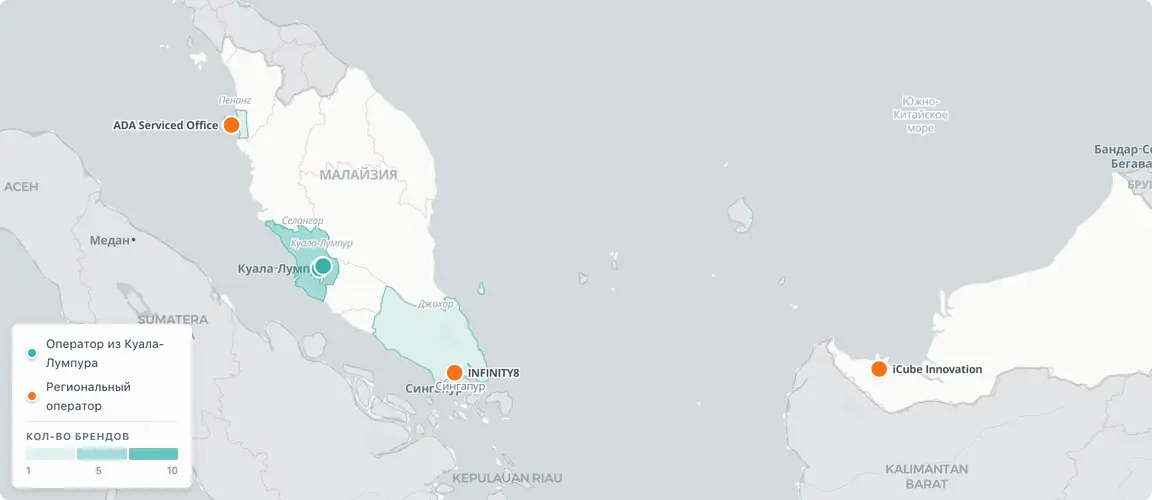
Сектор гибких рабочих пространств Малайзии — это не единый рынок. Это пять самостоятельных рынков, каждый со своими движущими силами спроса, своими историями основания и своими причинами, по которым гибкие рабочие пространства имеют структурный смысл.
Клангская долина задаёт тон всему сектору. Здесь сосредоточена крупнейшая в Малайзии концентрация штаб-квартир международных и отечественных корпораций, вокруг которых сложилась плотная экосистема компаний профессиональных услуг, стартапов и предприятий цифровой экономики — всем им нужны решения, которых стандартный долгосрочный договор аренды обеспечить не может. Огромный объём незанятых коммерческих площадей в городе — прежде головная боль для владельцев недвижимости, отвергавших коворкинги как арендаторов второго сорта — превратился в актив: те же собственники всё активнее ищут партнёрства с операторами гибких пространств, формируя поток новых площадей на выгодных условиях.
У Пенанга — иной характер. Промышленная база в Байан-Лепасе, где работают глобальные производители электроники и полупроводников, стабильно генерирует спрос со стороны инженеров, менеджеров по цепочкам поставок и профессиональных сервисных компаний, встроенных в производственную экосистему. Джорджтаун добавляет второй слой: исторические торговые дома в охранной зоне объекта ЮНЕСКО оказались на редкость пригодными для переоборудования в коворкинги — их архитектура создаёт атмосферу, которую современные коммерческие башни воспроизвести не способны. ADA Serviced Office, основанный в 2008 году из единственного помещения площадью 200 кв. футов, почти два десятилетия выстраивает на острове самый надёжный профессиональный бренд — через ISO-сертификацию и стандарт сервиса, который его основатель называет «простой роскошью».
Джохор-Бару структурно отличается от всех остальных рынков страны. Более 300 000 малайзийцев ежедневно пересекают мост-дамбу в сторону Сингапура, и когда запустится скоростная железнодорожная система Джохор-Бару — Сингапур с шестиминутным временем в пути (запланирована на конец 2026 года), экономика поездок изменится кардинально. Арендные ставки в Джохор-Бару существенно ниже сингапурских. Для сингапурских компаний, которым нужны операционные площади, или малайзийских специалистов, возвращающихся из Сингапура, арбитраж очевиден. Специальная экономическая зона Джохор–Сингапур, подписанная в январе 2024 года и охватывающая более 3 500 кв. км в девяти ключевых зонах развития, усиливает эту логику — крупнейший трансграничный экономический проект в регионе за последние десятилетия.
Саравак живёт по собственным правилам. Корпорация цифровой экономики Саравака управляет девятью центрами цифровых инноваций по всему штату и реализует стратегию во многом независимо от федеральных программ, в том числе заключив меморандум о взаимопонимании с Tech Barcelona. В итоге рынок рабочих пространств здесь формируется скорее государственными стратегическими намерениями, чем органическим стартап-спросом. iCube Innovation в Кучинге, которым руководят Патрик Лью и его сын Мэлвин Лью, работает со статусом MSC Incubator от MDEC и инициировало глобальный Free Coworking Day — теперь он отмечается более чем в 20 городах мира.
Сайберджая замыкает картину как специально созданный технологический город Малайзии. Программа сертификации Malaysia Digital Hub — предоставляющая квалифицированным коворкингам право предлагать компаниям-членам налоговые льготы и визу Malaysia Tech Entrepreneur Programme — работает преимущественно через операторов Сайберджаи. Для международных технологических компаний, выходящих на малайзийский рынок, сертифицированное MDEC пространство открывает регуляторный вход, которого стандартный договор аренды не обеспечивает.
Почему вы об этом не слышали
Сектор гибких рабочих пространств Малайзии страдает от проблемы видимости, не связанной с качеством. Она целиком обусловлена географией, языком и длинной тенью более крупного рынка, расположенного по другую сторону пролива шириной 1,05 км.
Сингапурский рынок рабочих пространств зрелый, широко освещённый в международных изданиях и соответствующим образом оценённый. Когда глобальные консалтинговые компании в сфере недвижимости пишут о гибких рабочих пространствах Юго-Восточной Азии, Сингапур задаёт тон анализа. Куала-Лумпур, расположенный в двух часах на скоростном поезде и трёх часах езды на север, попадает в сноску — если вообще упоминается. Тем не менее доля гибких рабочих пространств в общем объёме офисных площадей Малайзии значительно ниже среднего показателя по Азии. Разрыв между нынешним положением Малайзии и уровнем, который рынки обычно достигают при зрелости, представляет реальный коммерческий потенциал.
Эту невидимость усугубляет методология сбора данных о рабочих пространствах. The Instant Group, CBRE и JLL составляют региональные отчёты, агрегирующие рынки Азиатско-Тихоокеанского региона, — но детальная аналитика о том, кто из операторов растёт, какие основатели строят что-то устойчивое, а какие бренды пережили реальный кризис, поступает из местных источников: The Edge Malaysia, Vulcan Post, BFM 89.9, EdgeProp. Эти издания публикуются преимущественно на английском языке, но их распространение заканчивается на малайзийской границе. Международный инвестор, изучающий рынок через англоязычные финансовые СМИ, обнаружит, что сектор рабочих пространств КЛ хронически недопредставлен.
Невидимость сектора усиливается природой того, что продаёт гибкое рабочее пространство. Логистический хаб или производственный кластер генерирует статистику, которая распространяется: экспортные объёмы, производственные показатели, торговые потоки. Коворкинг-пространство производит показатели заполняемости, данные о членстве и компании-участники, создающие собственную статистику в другом месте. Результат сектора невидим именно потому, что его результат — работа других.
Разведывательный разрыв скрыт в этом пространстве между тем, что существует, и тем, что зафиксировано на бумаге. Сектор реален. Основатели документированы. Кризисный тест проводился публично, и его результаты опубликованы.
Решения, которые чего-то стоили
Первая волна РКО наступила 18 марта 2020 года. Для сооснователя Colony Тимоти Тиа предупреждающие знаки появились месяцем раньше. Выручка от мероприятий — примерно треть от общего дохода Colony — рухнула ещё в феврале, когда корпоративные клиенты начали отменять заказы. Прибыль группы упала более чем на 60% с января по февраль, ещё до введения локдауна.
Тиа ввёл то, что назвал протоколом «Красная тревога» — светофорную систему управления расходами, призванную сохранить и бизнес, и его культуру. Они с женой и соосновательницей Одри Уи согласились на 50-процентное снижение зарплаты. Генеральный директор принял урезание на 25%. Затраты на персонал были сокращены на 20%. Но Тиа принял одно контринтуитивное решение для тех, кто был сосредоточен исключительно на выживании: он защитил бюджеты на гостеприимство Colony. Адаптеры для розеток на рабочих столах участников. Корпоративные ужины после рабочего дня. Детали сервиса, определявшие суть Colony. Его рассуждение было конкретным: снижение качества в момент, когда участникам более всего нужна уверенность, запустит невосстановимую спираль потери репутации.
Локация Colony в KL Sentral закрылась навсегда. Star Boulevard, построенный за 5 млн RM как флагманский ивент-центр, так и не восстановился и закрылся в 2025 году. Личная цена была задокументирована публично и точно: в 2020 году Тиа поставили диагноз «смешанное тревожно-депрессивное расстройство». Он проактивно сообщил об этом инвесторам и акционерам, ожидая, что они утратят доверие. Этого не произошло. С тех пор он открыто говорит о психическом здоровье в деловом контексте — один из немногих малайзийских основателей, сделавших это.
К 2022 году Colony зафиксировала рост выручки на 74% и рост EBITDA на 265%. Jerry — автоматизированный бюджетный суббренд, который Тиа создал во время пандемии (только закрытые офисы, вход по PIN-коду, без персонала ресепшена, по цене в разы ниже премиального тарифа Colony), — в том же году показал рост выручки на 619%.
В WORQ сооснователь Стефани Пинг столкнулась с иной версией того же кризиса. Запросы в марте 2020 года упали на 50–60%. Вопрос заключался не в том, снизится ли выручка — это было неизбежно, — а в том, переживёт ли членская база. Пинг запустила несколько волн программы помощи участникам на сумму около полумиллиона ринггит: поддержка цифрового маркетинга, бизнес-консультирование по непрерывности деятельности, отсрочка платежей и прямая помощь компаниям-участникам, чьи собственные доходы рухнули.
В сентябре 2020 года, в разгар самой неопределённой фазы пандемии, Пинг привлекла 10 млн RM от семи соинвесторов. Инвестиции пришли в худшие месяцы пандемии, а не после них. Её логика, и логика инвесторов: оператор рабочих пространств, способный поддерживать рентабельность через последовательные локдауны, одновременно раздавая около полумиллиона ринггит помощи, продемонстрировал то, что невозможно сфальсифицировать. Членство WORQ парадоксально выросло на 15% за период РКО: корпорации, сокращавшие традиционные офисы, перенаправляли сотрудников в гибкие альтернативы.
К середине 2022 года WORQ вышла на заполняемость 90% при наличии листов ожидания. В 2025 году WORQ Well — ориентированный на здоровье коворкинг в Бангсаре — стала первым коворкинг-пространством в Малайзии, получившим сертификат WELL Coworking. В первый день работы заполняемость составила 100%.
Ли Ся Лян строил INFINITY8 с 1 400 кв. футов и четырёх сотрудников в торговом помещении в Джохор-Бару. Расположение в Джохор-Бару было одновременно сильной стороной бизнеса и его уязвимостью: около 40% клиентов INFINITY8 составляли сингапурцы. Когда 18 марта 2020 года Малайзия закрыла границы, эта клиентская база фактически исчезла.
В декабре 2021 года — в самый жёсткий период ограничений в рамках Малайзии, когда сектор сокращался — Ли расширил INFINITY8 в Куала-Лумпур. Решение расти, когда все рыночные сигналы указывали на необходимость осторожности, было взвешенным. Его рассуждение: операторы, пережившие локдаун с наименьшими потерями, унаследуют восстановление рынка, а выход в Куала-Лумпур при подавленной конкуренции — самая низкая стоимость входа, которую он когда-либо увидит.
В 2022 году INFINITY8 получила награду PropertyGuru «Лучшее коворкинг-пространство в Азии и Малайзии». Стратегия двух брендов, разработанная Ли в период пандемии, — премиальный INFINITY8 для корпоративных клиентов и бюджетный KONGSI WORK для малого и среднего бизнеса и студентов — сегодня охватывает четырнадцать локаций в Джохор-Бару, Куала-Лумпуре и Пенанге.
Джун Тео и Эрман Акинджи превратили Common Ground в крупнейшего отечественного оператора коворкингов в Малайзии — четырнадцать локаций в стране и первые международные экспансии на Филиппины и в Таиланд. Когда пришёл РКО, бизнес-модель, обеспечивавшая их рост, — относительно плотные коворкинги для сообществ, — оказалась именно тем, что локдаун запрещал.
Принятое ими решение было структурным. В августе 2022 года, когда Малайзия завершала переход к эндемическому статусу, Common Ground объединился с The Hive (Гонконг) и The Cluster (Австралия), образовав The Flexi Group — паназиатскую структуру из 45 локаций в девяти странах. Слияние не решило всех проблем: планируемое размещение на Nasdaq через SPAC было прекращено в феврале 2024 года, не дойдя до завершения. Тем не менее организация остаётся крупнейшим регионально укоренённым оператором гибких рабочих пространств в Азии с общим объёмом финансирования $71.5 млн и малайзийской историей основания в её основе.
Рашвин Пал Сингх руководит Mereka Space — мейкерспейсом площадью 12 000 кв. футов в Publika, Куала-Лумпур. Когда РКО закрыл все несущественные предприятия, производственные лаборатории Mereka — деревообрабатывающие мастерские, стенды для электроники, 3D-принтеры, металлообрабатывающее оборудование — остановились.
1 апреля 2020 года, когда Малайзия столкнулась с острой нехваткой средств индивидуальной защиты, Пал Сингх и его соосновательница Джулиана Адам решили перепрофилировать всё имеющееся. Они объявили публичную кампанию по сбору средств и начали производить защитные щитки на оборудовании, которое в обычное время изготавливало мебель и электронные прототипы. Публика пожертвовала 140 000 RM. Mereka произвела более 20 000 защитных щитков, доставив их в 75 организаций по всей Малайзии.
Mereka Space — не традиционный коворкинг. Её модель — сочетание мейкерспейса, социального предприятия и инкубатора для творческих индустрий — не вписывается в мейнстрим сектора. Но её разворот в период COVID продемонстрировал то же, что по-разному доказали основатели Colony, WORQ, INFINITY8 и Common Ground: операторы гибких рабочих пространств, пережившие РКО, выжили не потому, что сократили своё предложение, а потому, что открыли в себе то, для чего были созданы.
Не каждая история выживания потребовала перестройки. ADA Serviced Office в Пенанге, основанный Луисом Су в 2008 году из помещения площадью 200 кв. футов, олицетворяет тихую стойкость сектора. Спустя восемнадцать лет с момента открытия ADA работает на нескольких площадках в Пенанге с сертификацией ISO 9001 и стандартом сервиса, пережившим три экономических потрясения. Су не искал общенациональной известности. Бизнес в ней не нуждался.
Многокультурное преимущество
Малайзийский коворкинг-сектор функционирует в деловой среде, не похожей ни на какую другую в Юго-Восточной Азии. Три общины — малайцы, китайцы и индийцы — каждая со своими торговыми традициями, сетями финансирования и деловыми культурами — существуют на рынке, где английский является основным деловым языком, а государственная политика активно стремится сблизить эти общины через предпринимательские программы.
Основательская когорта 2017 года отражает это многообразие. Тимоти Тиа и Ли Ся Лян — малайзийские предприниматели китайского происхождения. Стефани Пинг после учёбы в Стэнфорде вернулась строить бизнес в Куала-Лумпуре, а не осталась в США — этот выбор определил основополагающий дух WORQ. Рашвин Пал Сингх воплощает импакт-ориентированную модель, уходящую корнями в традицию малайзийских социальных предприятий индийского происхождения.
Программа сертификации Malaysia Digital Hub создаёт формальные ворота для этой многокультурной предпринимательской деятельности: квалифицированные коворкинги могут предлагать компаниям-членам доступ к визе Malaysia Tech Entrepreneur Programme, которой воспользовались предприниматели из более чем 60 стран для базирования бизнеса в Малайзии. Налоговые льготы распространяются на все квалифицированные компании независимо от этнического происхождения или гражданства.
Инфраструктура рабочих пространств, дружественная к халяль — молитвенные комнаты, питание для мусульман, — присутствует у целого ряда операторов как культурная норма, а не дополнительная опция, давая малайзийским брендам органичность, которую международным участникам приходится нарабатывать сознательно.
Результатом является рынок, который по меркам Юго-Восточной Азии необычно понятен для международных операторов и арендаторов. Английский язык работает. Договорная среда знакома юристам в системе общего права. Рабочая сила одинаково свободно ориентируется в английском, малайском и нередко китайском языках.
Два структурных изменения, зафиксированных параллельно
Два структурных изменения одновременно преобразуют малайзийский рынок гибких рабочих пространств.
Первое — Специальная экономическая зона Джохор–Сингапур (JS-SEZ), подписанная в январе 2024 года. JS-SEZ охватывает более 3 500 кв. км и включает девять флагманских зон развития на территории штата Джохор. Скоростная железнодорожная связь Джохор-Бару — Сингапур с шестиминутным временем в пути строится, чтобы сжать пространственный разрыв между двумя городами. INFINITY8 уже сообщает, что около 40% её клиентской базы в Джохор-Бару составляют сингапурцы — доля, зафиксированная ещё до открытия RTS Link.
Второе — объявление IWG, глобальной группы гибких рабочих пространств, управляющей брендами Regus, Spaces, HQ и Signature, о целевом расширении с нынешних 45 малайзийских центров до 160. Решения IWG об экспансии основаны на собственном количественном анализе рынка компании; сама по себе цель роста в 3,5 раза от крупнейшего в мире оператора гибких рабочих пространств — это подтверждённый факт об измеренном разрыве в уровне проникновения и спросе на рынке.
Для отечественных операторов экспансия IWG повышает международную узнаваемость рынка, который покупатели гибких рабочих пространств за пределами Малайзии в основном игнорировали. В том же разговоре с корпоративными арендаторами местные операторы предлагают другой набор активов: культурную компетентность, местные связи и кризисную летопись — те самые 590 дней РКО, — которых у международного новичка на рынке нет.
Корпоративный сегмент — наиболее значимая структурная эволюция сектора. Малайзийские операторы гибких рабочих пространств строят компетенции, которые функционируют как инфраструктура рабочих пространств, а не просто аренда рабочих мест. WORQ заблаговременно продаёт корпоративным клиентам офисные пространства под конкретные нужды, намеренно выбирая локации вблизи транспортных узлов. INFINITY8 добавила услуги работодателя-резидента (EOR), HR-аутсорсинг и ведение расчёта заработной платы. Co-labs, получившая поддержку Paramount Corporation, нацелена на 300 000 кв. футов управляемых офисов для корпоративных арендаторов. Это не коворкинг-бизнесы, расширяющиеся в смежные услуги. Это инфраструктурные провайдеры рабочих пространств, которые начинали с коворкинга.
Бизнес по аренде рабочих мест масштабируется с числом сотрудников. Инфраструктурный провайдер рабочих пространств масштабируется со стоимостью корпоративного контракта — структурное различие, отражённое в расширении сервисов WORQ, INFINITY8 и Co-labs в 2024–2025 годах.
Что выживает после 590 дней локдауна
Сектор гибких рабочих пространств Малайзии предлагает нечто редкое для тех, кто пытается понять этот рынок: полноценный естественный эксперимент. Каждый оператор в секторе столкнулся с одинаковым внешним потрясением — 590 днями прерывистого законодательного запрета их основной деятельности — в одно и то же время. Различия в том, как они выжили, что предпочли сохранить и что построили после, раскрывают реальный характер этих организаций с необычной ясностью.
Малайзийский рынок гибких рабочих пространств вырос после пандемии — к 2024 году Куала-Лумпур показал рост спроса на 78%. Внутри этого роста летопись разделяет операторов на две группы: тех, кто выстроил институциональные компетенции — документирование кризиса, корпоративные связи, стандарты качества, удержанные по протоколам «Красная тревога» 2020 года, — и тех, чей рост шёл вслед за общим восстановлением рынка.
Летопись РКО даёт то, чего обычно не может дать должная осмотрительность напрямую: публичное, датированное свидетельство того, что операторы делали при максимальном давлении — причём одновременно, по всему сектору.
Для самих операторов этот период принёс нечто неожиданное. Основатели, строившие бизнес в благоприятных условиях, обнаружили за 590 дней прерывистых локдаунов, что они на самом деле строят. Сектор рабочих пространств, вышедший из кризиса в 2022 году, не стал продолжением траектории 2019-го. Это был другой сектор, управляемый основателями, точно знающими, на что они способны, — и на что нет.
Этот урок не специфичен для коворкинга. Colony сохраняла бюджеты на гостеприимство, урезав зарплату основателей вдвое. WORQ раздала полмиллиона ринггит помощи участникам и привлекла капитал в худшие месяцы пандемии. INFINITY8 расширилась в Куала-Лумпур в декабре 2021 года, когда все рыночные сигналы указывали на обратное. Ни одна из трёх организаций не вернулась на позиции 2019 года — каждая заняла новую, выстроенную за 590 дней, которые пережил, в одно и то же время и на виду у всех, каждый оператор сектора.