 Skip to main content
Resilient Brand
Kystybyi
It lost its franchise in 2016 and kept trading under the name of a Tatar dish. Its first franchise failed; it grew at home in Kazan instead.
Kazan, Tatarstan 🇷🇺
Brands that control multiple stages of their value chain — from raw materials through production to distribution — demonstrating operational sovereignty and quality control.

Vertical integration means quality control, margin protection, and supply chain resilience that reliant brands can't match. Owning production stages reduces vulnerability to supplier disruptions, protects intellectual property, and captures value at every step—building defensible competitive moats.
Interactive map showing brand locations across emerging markets. View regional clusters.
It lost its franchise in 2016 and kept trading under the name of a Tatar dish. Its first franchise failed; it grew at home in Kazan instead.
It leased two dairies from a bankrupt estate and invested nothing until it owned them. By 2024 it was third in Russian hard and semi-hard cheese.
Its founder died in 2020 and state support more than halved. Krasny Vostok sold its Tambov farms, stayed close to home and now makes more milk.
In June 2019 Sultan Safin cut Tubetey's 17 points of 2018, franchises included, to six. It rebuilt in Kazan with about ten investor co-owners.
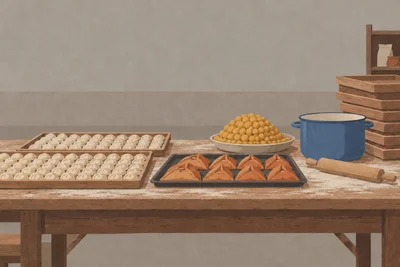
Its debt bill doubled in 2015. In 2017 Muslima Latypova said she would sell only Moscow. Her Kazan chain now makes 12,500 tonnes of food a year.
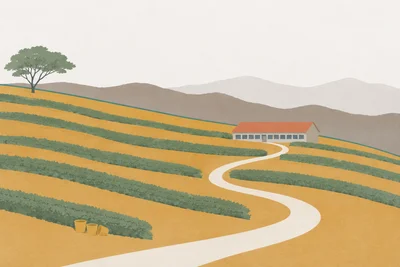
By Tristan Russell's account, BOH's distributor feared in 1960 that the estate's European buyers would go. In time BOH turned to home buyers.
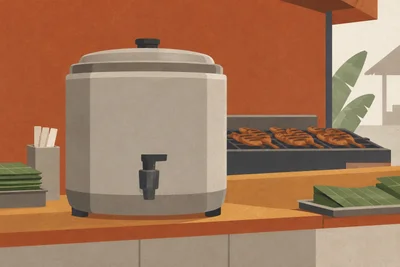
A ₱2 price hike funded unlimited rice — the pricing mechanic that let an Iloilo grill stall outrun its own hyper-growth into 300+ stores.
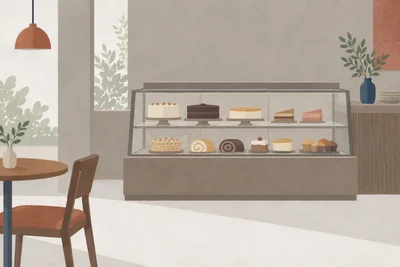
When Edam cheese ran out in 2022, Mary Grace halted its bestseller for two months — the same discipline that kept it unfranchised for 30 years.
A false death report nearly destroyed this kitchen. Its haleem won India's first GI tag for a meat dish — beating Rasgulla in a vote.
Told customers to stop buying during 2020 lockdown, paid staff from reserves — turnover doubled, ₽1.9B revenue by 2024, no investors.
GATE31 kept all 287 staff and every store open as demand cooled in 2026 — the exact decision that had already nearly killed it once, in 2017.
A Chinese-tradition kopitiam pursued halal certification as deliberate Malay-market strategy, not compliance — timed into a boycott wave.
A ~Rs 7,000-crore Tata sale collapsed in 2023. Chauhan chose a daughter over a buyer — and the numbers since have been mixed, not triumphant.
A luxury Ayurveda brand with no category to sell into in 2000 built an 18-year staged buyout Estée Lauder announced completing in 2026.

1981: McDonald's landed in Manila with global scale. Jollibee out-tasted it — and by 2025 held 30.7% of the market to McDonald's 10.3%.
Sales were 'at their best,' its own trade body said. Then a Rp7 billion debt sank a Rp252 billion company with no succession plan for 39 years.
A 1990 factory fire nearly bankrupted a home cosmetics business. It rebuilt in two days — and became Indonesia's largest beauty company.
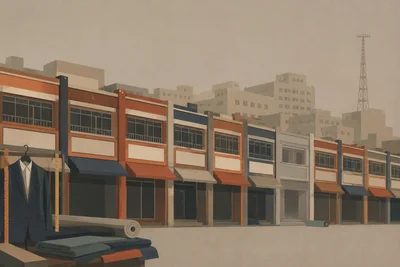
China's No.1 suit brand became the world's top polarizer maker. Its founder died without a will. RMB33.55bn in claims followed.
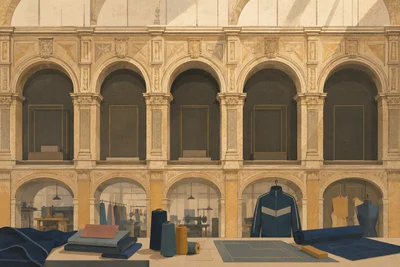
In 2022 every Western luxury house Bosco imported for 30 years left Russia at once. A factory built three years earlier is why it survived.
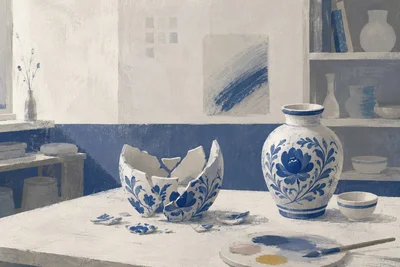
By 2009 Russia's most famous porcelain maker owed 425 million rubles. A conglomerate rebuilt it into a museum, not a factory.
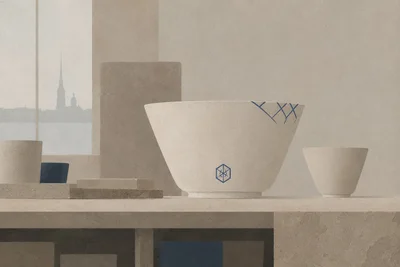
In 2000, a prosecutor opened a criminal case over who owned a blue lattice pattern on teacups from a factory that was already 256 years old.
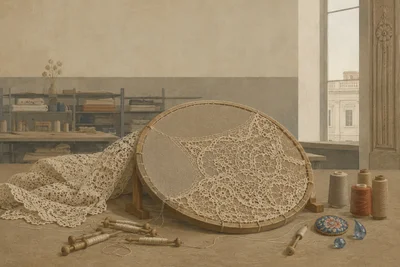
Her couture was built on being Russian. In 2022 that identity lost its Paris stage — yet 2024 revenue climbed 23.8% past a billion roubles.
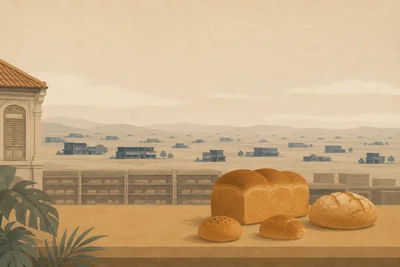
A 2003 Penang open-bakery became a ~31-outlet, three-region chain by industrialising the back end and never franchising — buns still from RM2.
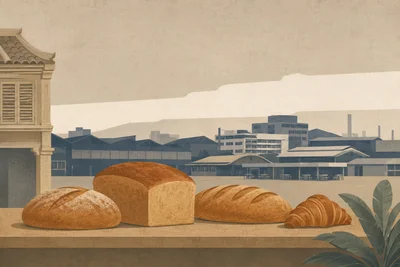
A French-inspired café won factory and hospital canteens by presenting itself as halal — a position no pork-serving rival can take.
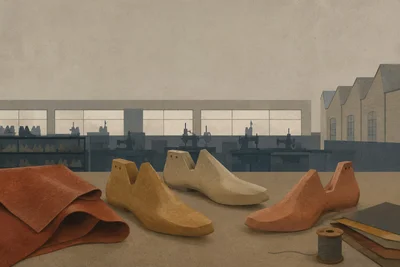
Russia's largest men's-shoe maker survived the bankruptcy of its own holding company — because it had never really been just one company.
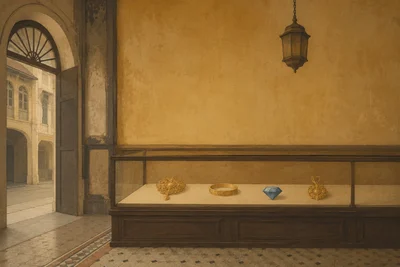
Malaysia's first listed jeweller went public at the worst possible moment — the depth of the 1998 crash — and beat its own numbers.
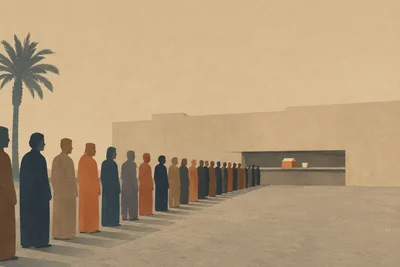
Saudi Arabia's most-loved chicken chain refused to open in its own capital for 43 years. The deliberate scarcity is what made it number one.
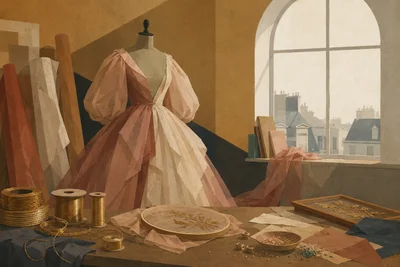
11 years off-calendar in Paris before FHCM admission. When sanctions removed the slot, the infrastructure that earned it remained.
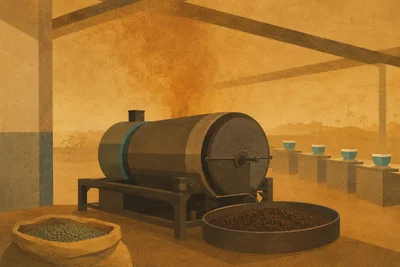
Rejected by 700 of its 800 wholesale buyers, Penang's oldest coffee factory opened its own stores — and invented Nitro Nanyang cold brew.
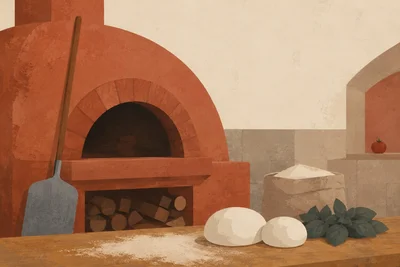
Salerno to Phuket: the family pizzaiolo who built five wood-fired branches supplied by the family's own mozzarella factory in Kathu.
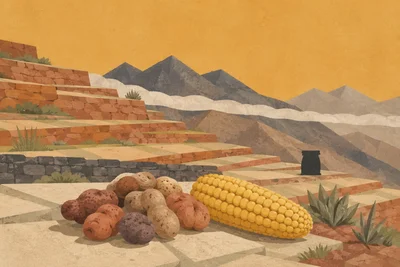
Chile's food-labelling rules accidentally pre-built Peru's snack compliance head start — a 30-year founder bet Alicorp valued at USD 72.2M.
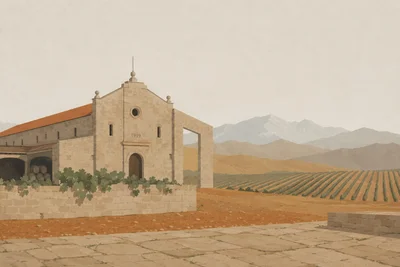
The dynasty that bailed out Norton twice in 36 years wrote no check in 2025. Now 130 years of Mendoza heritage is a court calendar.
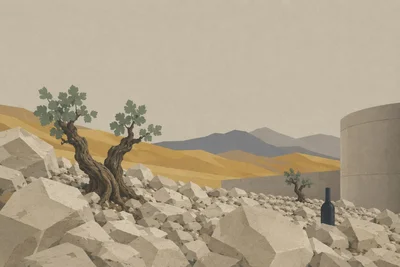
Three generations built this winery through five crises — each one converting an irrigation showroom into the World's Best Vineyard Hall of Fame.

A government shutdown order in 1979 became Singapore's most enduring heritage bakery — S$76M in revenue, no down years, zero compromises.
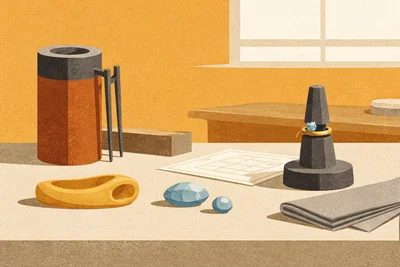
Cartier left Russia. Chamovskikh's March 2022 sales hit 400% of plan — earned by Peterhof, a Romanov commission, and the state treasury.
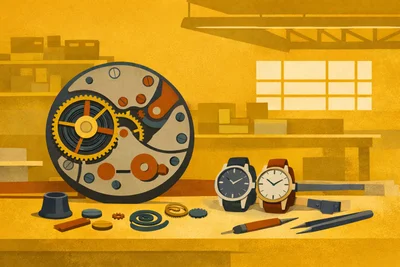
The Soviet pocket watch factory that survived as a military workshop, then bet its 1947 caliber on a wristwatch renaissance in Tankograd.
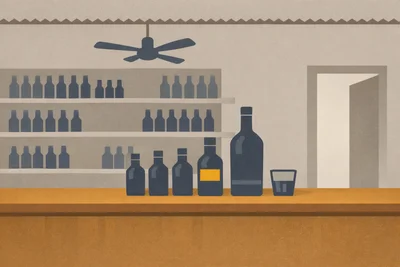
Dismissed as a lollipop, Officer's Choice survived 160 lawsuits to outsell Johnnie Walker — then listed at 24.85× oversubscribed.
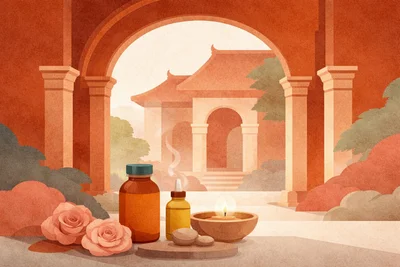
Two fired flight attendants built Thailand's most awarded luxury spa brand inside heritage mansions no competitor can replicate.
China's deepest distribution network — 1,500 dealers, every township — survived 29 lawsuits against Danone and the death of its founder.
Raised prices during a price war, never went public, and holds more kitchen patents than the next nine Chinese competitors combined.
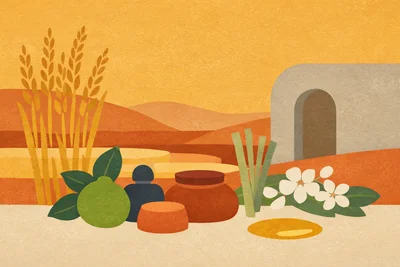
Every Bangkok mall rejected HARNN. The airport counter they settled for launched a rice bran oil brand to 17 countries and a $30.3 million exit.
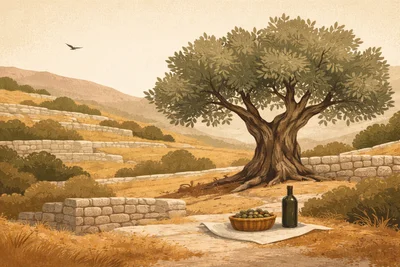
No country code, no sovereign port, military checkpoints between factory and sea — and 600 American retailers stocking Palestinian olive oil.
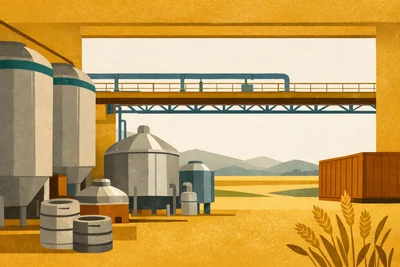
A dead English brewery, shipped 8,500 km to a Pyongyang cabbage field. Now 13 varieties, ~70% market share, exports defying UN sanctions.
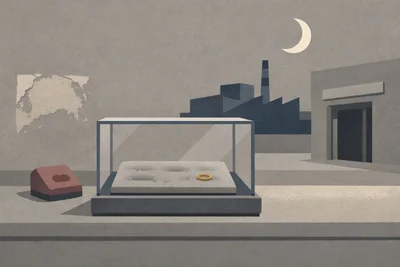
RUB 27.5B in bankruptcy claims, three executives prosecuted, 30 rivals destroyed — and the brand sold for RUB 6.5B eight years later.
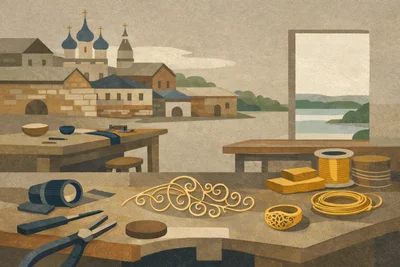
A bankrupt factory with six months of unpaid wages during the 1998 crash became the core of Russia's first vertically integrated jewelry empire.

A former sniper-scope polisher now sets gemstones at Avgvst's Ural factories. When sanctions hit, the brand split in two and grew 40%.
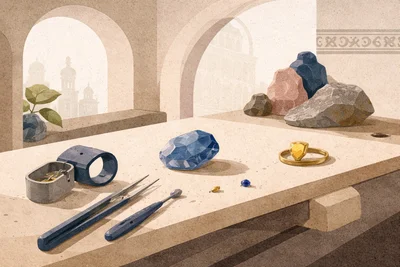
Thirteen years in Italy, then he scrapped it all. Six months of failed production later, fifty craftsmen who stunned Valenza.
When Russia's diamond monopoly cut off its rough supply, EPL Diamond survived with a ₽500M state guarantee — then grew to 120+ stores.
Lost its own name for $25,000 in 1951. Watched it sell for $1.55B on toilet cleaner. Recovered it for $38M. Still unprofitable.
The most advanced enamel jewelry in the world is made by a self-taught Tatar who fires gold at 950°C — fifty degrees from destruction.
A failed movement four months before Baselworld. Fourteen people. The Joker was born from panic — and sold out in weeks at Basel.
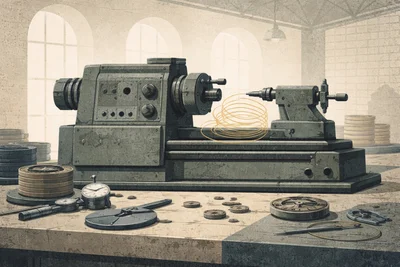
One of a small number of watchmakers globally making its own hairsprings, independent of the Nivarox supply chain most of the industry relies on.
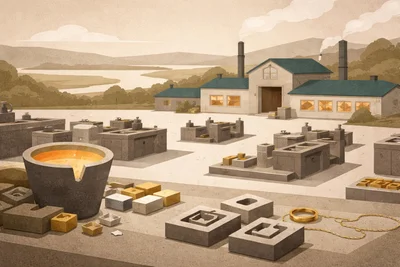
A village with no gold, in Russia's jewelry capital. Its dominant company started with nine people — and sold for an estimated ₽30–40bn.
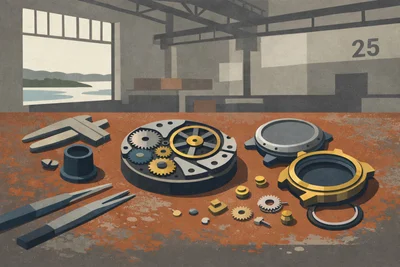
Bankrupt in 2010, restarted by three insiders. A dive watch whose seal tightens with depth. Russia's largest mechanical watchmaker.

Russia's largest jewelry chain — 397 stores, ₽45B revenue — collapsed in 18 months under ₽31.7B debt after the 2014 ruble crash.

An eleven-year joint venture burned RMB 7.76 billion on 23,000 cars. Then BYD seized control and bet the relaunch on a minivan.

BYD built a brand for a category that barely existed. Then it nearly destroyed buyer trust before selling 50,868 vehicles in a single month.

Geely's first EV brand collapsed into ride-hailing fleets. Its replacement, Galaxy, delivered 494,000 vehicles in its second year — the fastest ramp in Chinese auto history.

In 2010, BYD's quarterly profit dropped 99% and Elon Musk laughed on camera. A decade later, BYD outsold Tesla and surpassed its revenue.
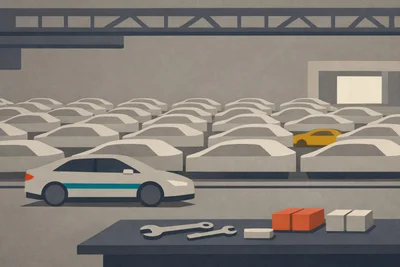
480,000 EVs delivered in one year — and Chinese consumers still call it 'the taxi car.' A ¥103B unicorn trapped in the wrong lane.

SAIC's profits fell 93%. IM Motors sold 455 cars a month while its closest peer went bankrupt. Survival required gutting its own price strategy.
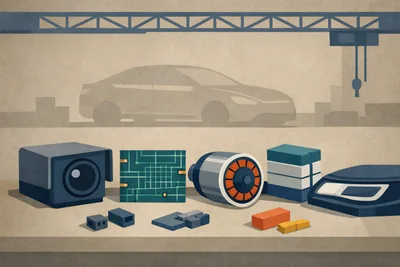
Leapmotor's first car sold 1,000 units and triggered a government recall. Five years later, the company delivers 1,600 vehicles per day.

First product killed by regulators. Technology mocked as backward. Became China's first profitable EV startup — then MEGA wiped ¥100 billion.
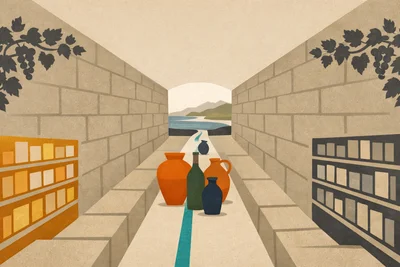
Russia's sole Abkhazian wine importer leveraged a ruble crisis to overtake every competitor — and now owns half the winery supplying it.

NIO's finance team counted cash in ¥10,000 units while the stock sat at $1.19. The gap between survival and collapse was 1,000 vehicles.
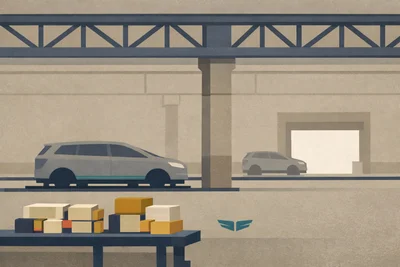
Worst per-car loss in Chinese EVs in 2022. Three years later, Voyah replaced its Fortune 500 parent on the Hong Kong Stock Exchange.

When 400 Chinese EV brands collapsed, a phone company delivered 50,000 car orders in 27 minutes — and 600,000 vehicles in 22 months.

Forty brands cut prices when Tesla slashed the Model Y. Zeekr loaded more technology into cheaper vehicles — and tripled its margins.
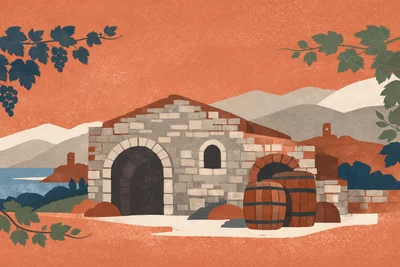
A dynasty survived Stalinism, war, and an international blockade — then rebuilt Abkhazia's wine from rubble to 28 million bottles.

A $5,000 soap formula became Russia's top organic brand. Then the founder died without a will—and the fairy tale outlived its storyteller.
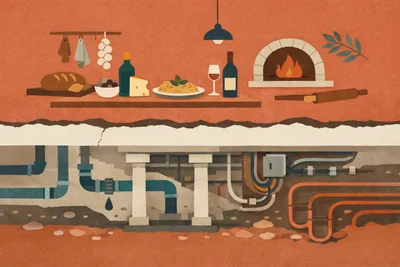
A freight forwarder, not a chef, built China's largest Italian food brand. When Shanghai locked down ten venues, his supply chain held.
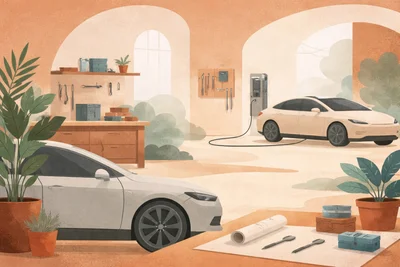
In 2020, Seres sold 732 electric cars. It gave its brand to Huawei. Four years later, AITO outsold BMW in China's luxury segment.
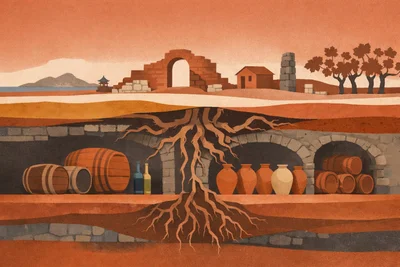
Founded in 1892 on a dinner-party remark. Survived bankruptcy, occupation, and revolution. Won China's first-ever Decanter Best in Show.

Seven Shopify products hide a 500-year medical dynasty — 120+ herbal medicines, 1,300 pharmacies, and Mongolia's highest medical honor.

She left a 161-country cosmetics career to return to a Mongolian farm. Four staff then built a four-country export architecture for 12 markets.
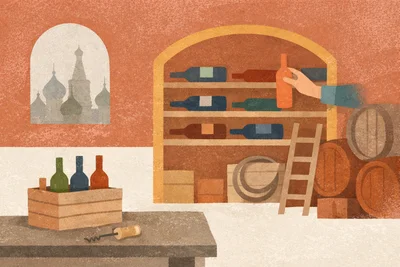
A €30,000 whisky bottle sits in SimpleWine's Moscow headquarters—debt payment from the 1998 crisis when currency was worthless.
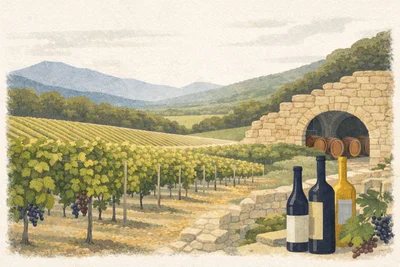
Purchased land for apple storage. Discovered 2,000-year-old fortress ruins and extinct French grape variety. Now Russia's #3 Sauvignon Blanc.
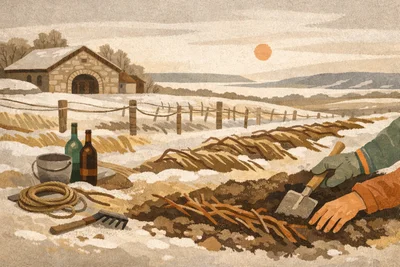
He made his fortune in potatoes. Then buried grapevines at 53°N where winter hits -47°C. The 2019 frost killed half his harvest. He kept going.
A frozen vineyard destroyed $2 million. The response: university at 43, indigenous grapes nobody wanted, and Russia's first Luca Maroni score.
Bankrupt in 2014 with 75% of vineyards lost, revived to 6 million bottles—then seized into Russian state ownership in April 2026.
Two distributors walked away. Wine Spectator dismissed Russian wines. Then this construction CEO reached World's Best Vineyards #20.
Every fifth bottle of Russian sparkling wine flows from cellars a Tsarist count built in 1860. The factory nearly died in 1993.
Helicopter search for one hectare found 200. Forbes billionaire agreed instantly. Four years of losses before Russia's Wine of the Year.
A minister's wife, $20M in state loans, and Black Sea terroir at Bordeaux's latitude. Result: TerraVino 2022's 'Best Wine of Russia.'
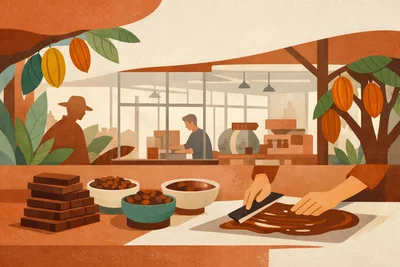
Malaysian cacao crashed 99.9%. This company pays farmers 3x market rates and won the country's first international chocolate awards.
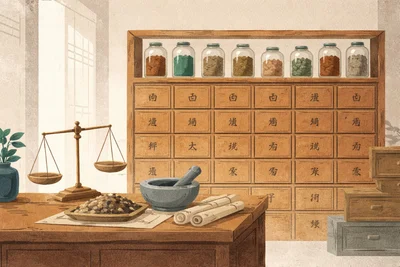
Uncles sold this 111-year-old TCM company to developers. Heirs bought it back for S$21 million—then sold it for S$808 million.

A 428-square-foot salon became Malaysia's premier hairstyling empire after an 8-location express chain taught its founder when to cut losses.
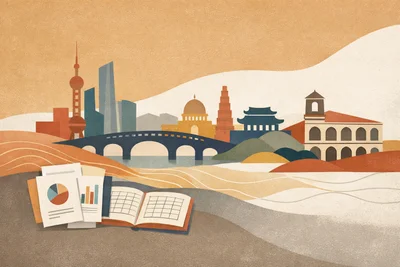
A misspelled surname, $500, and Deng's Southern Tour. Thirty-two years later: 27 offices, $50M revenue, six crises survived by staying put.
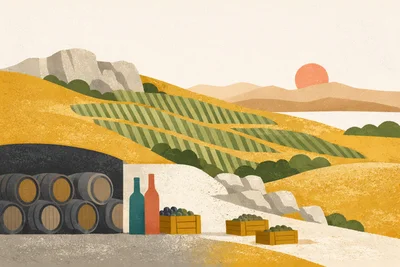
Igor Samsonov died at 46. Eleven months later, Forbes crowned ESSE Winery of the Year. His quality systems outlived him—Crimea's boldest bet.
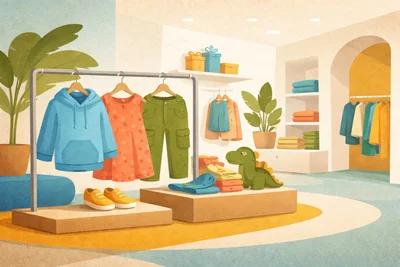
Hebrew name. Israeli design. Chinese production. Russian stores. Boris Ostrobrod disguised "Russian" as "foreign" when domestic meant cheap.
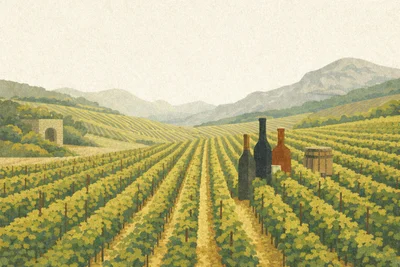
When Italian nurseries refused Crimea shipments, these auto billionaires found Serbian suppliers—then planted Russia's densest vineyard anyway.
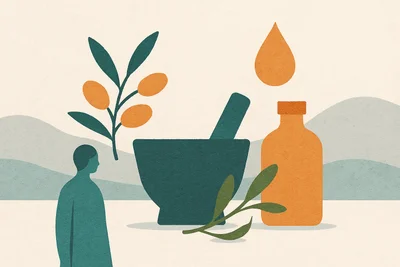
Twelve days after opening, thieves stole everything. Khulan caught the thief herself, survived three floods, built Mongolia's export leader

Russian Orthodox Church spent eight years preparing. Debut year: #12 nationally at 93.5 points. Two years in: Double Gold at Terravino.
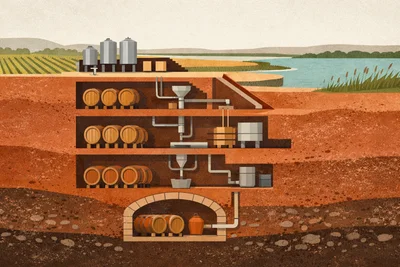
Loans at 24%. Twelve years unprofitable. Friends watching her 'descend into a pit.' Then Certificate №001—Russia's first federal license.
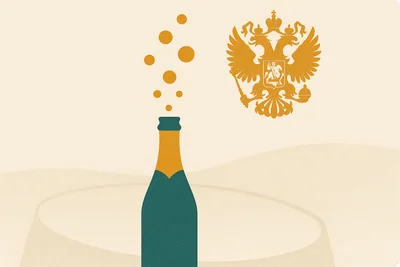
Imperial decree, Soviet survival, Western sanctions. In 152 years, Abrau-Durso has outlasted every force that tried to end it.
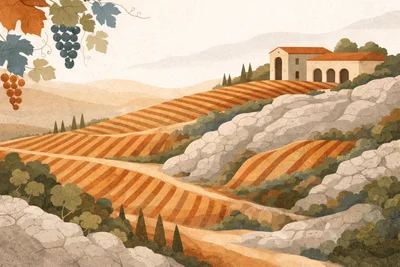
EU sanctions closed exports in 2014. Alma Valley built Russia's only gravity-flow winery, won IWSC medals, rode import substitution.
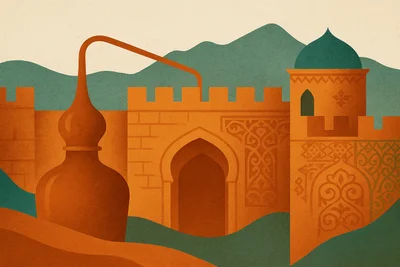
Gorbachev closed 600 liquor facilities—Derbent preserved its vineyards. 1998 devastated the industry—Derbent survived. 163 years.
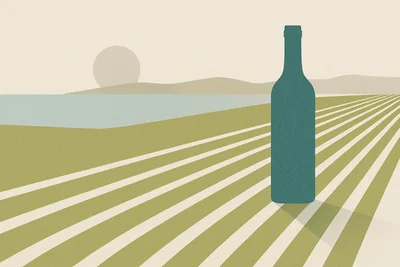
Soviet bulk winery hired an Australian consultant in 2004. Today: 36.6 million bottles, Parker 97, 800K bottles to China yearly.
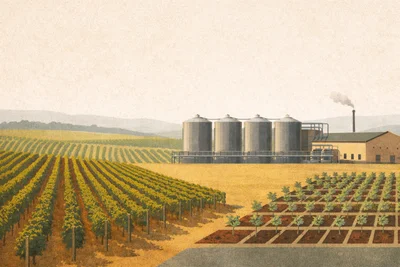
Two engineers spent $100M building Russia's largest winery—100% own grapes, 95.5M bottles. Then the state took it in 37 days.

Sold at market peak for $50M. Bought back for $15M when the bank's president fled abroad. Now 400+ stores built from 1936 Soviet roots.
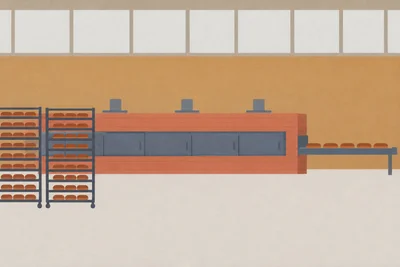
By its director's account, it opened shops to escape customers who did not pay. When they stopped paying, it let them go and kept the buildings.
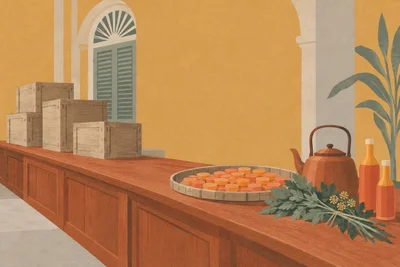
By the chairman's account, a duty of more than 30% made a Penang shop's import trade hard, so the family asked to make the brands it sold itself.
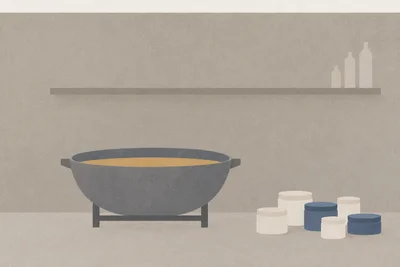
It made ointment bases for pharmacy compounding until regulation ended that trade, by its founder's account. Now cosmetics: ₽29.6M for 2024.

Siberian head office, plant in Tatarstan since 2015: Slavitsa's 30,900 tonnes of ice cream ranked fifth in Russia's 2024 industry rating.
In 2017 Darletto's general director said on record that Testori imported its jam. Darletto's revenue rose about fourfold in 2025.
Largest known shareholder, no majority on record (31.4%, 2014): 39 years running one Tatarstan plant, now eighth in Russian ice cream.
A rival's tee carried a near-identical name in 2014 -- so this Moscow label made its identity impossible to confuse with anyone else's.
Sanctions banned the Italian leather and German hardware this workshop was built on. It kept growing anyway — how remains undisclosed.
Named after a prayer in 1993, Luding Group spent 30 years quietly building the production assets that would survive a one-day sanctions shutdown.
Their milk expires in twelve hours. Three ex-miners with zero farming experience built Moscow's most demanding dairy brand from Arctic scratch.
A ₽742M heritage jeweler in a ₽460B market — surviving Imperial collapse, WWII siege, bankruptcy, and Western sanctions across 113 years on Fabergé Square.
A dynasty filling 28M bottles with Moldovan bulk spent 685M rubles building the estate winery that proves Abkhazian wine exists.
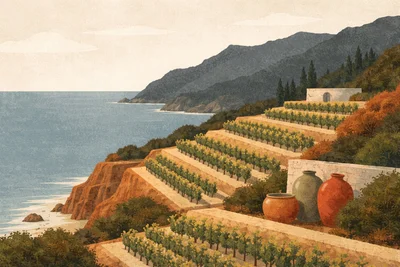
Founded as tanks rolled through Georgia, Chateau Abkhaz built Abkhazia's only full-cycle winery on zero-tariff Russian access—estate grapes, 30+ labels.
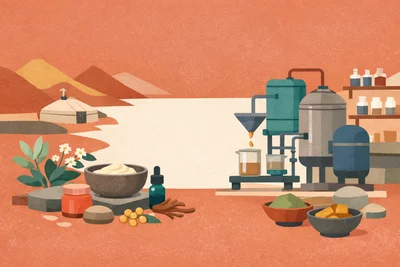
Mongolia's first ISO-certified sea buckthorn factory — German-engineered on Chinggis Khan's winter camp, exporting to five countries.
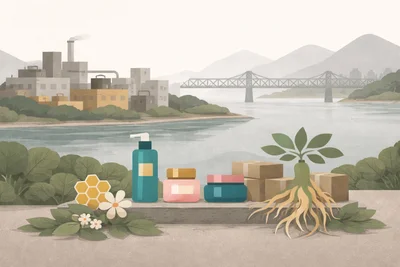
Three names, one factory, 80 years. A DPRK state enterprise that survived famine and sanctions by reinventing everything except the factory.
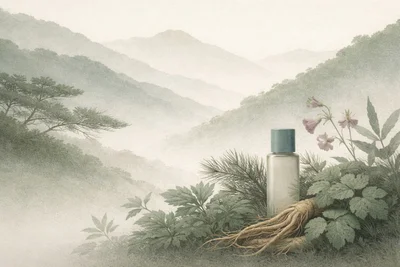
Outproduces North Korea's top cosmetics factory. Never visited by Kim Jong Un. Chinese partner untraceable. The DPRK's most hidden beauty brand.
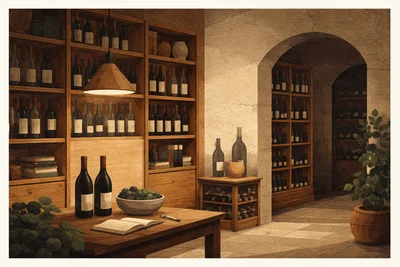
Russia's most prestigious wine portfolio—Romanée-Conti, Pétrus, Gaja—belongs to two engineering students who started by selling dishes.
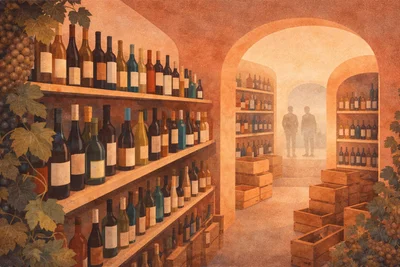
Two brothers built Russia's oldest wine chain to 1,014 stores in complete anonymity—then a 2025 lawsuit split the ₽50 billion empire.
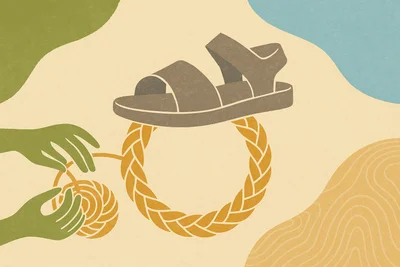
$5,000 on grandmother's land. 100,000 jobs created. Ethiopia's first global fashion brand, built on a technique the market had dismissed.
| Brand | City | Country | Year | Website | Tier |
|---|---|---|---|---|---|
| Loading... | |||||
| No brands found matching your criteria. | |||||
| Visit — | Resilient Profiled Listed | ||||

A single state-brokered bankruptcy sale built Tatarstan's entire dairy map — and a decade on, half its owners have no succession plan.

A ₽50.2bn Tatarstan sauce maker whose founders transferred their retail stakes in April 2018; a criminal case over that chain followed.

Hyderabad's haleem trade alone moves ~₹1,000 crore a season. No venture database has ever recorded it — until a tax raid did.

China's restaurant market is ¥5.5 trillion and barely 5% chain-owned. The founders who beat that number are aging out of that decision.
A winery listed on a national exchange, a kitchen-appliance maker with ¥17 billion in revenue, and a beverage company that reached several billion dollars in revenue all return nothing usable from the platforms built to find private companies.

Russia's best coffee brands aren't in Moscow — and 2022 didn't kill the ones that survived. It proved which founders still held the wheel.

The world's #1 modest-fashion ecosystem was built by founders whose entire record — scale, crises, ownership — exists only in Bahasa Indonesia.

A few founders built Malaysia's modern bakery sector through three crises. In 2024–2026 they are all handing it over at once — unwatched.

Three revolutions, two ruble shocks, a jailed founder, a pork-DNA war with Moscow — Kyrgyzstan's food founders survived all of it.

Saudi Arabia holds the world's largest Arabic perfumery market. The houses dominating global discourse are UAE. Four Saudi houses anchor home.

Three founder-to-next-generation handovers documented. Sixty percent of Malaysia's boutique heritage founders are still mid-transition.

Malaysia's largest beauty chain runs 130-plus branches across three countries. No English-language database carries it. Hannan is half the story.

Chile's food-labelling rules left Peru's snack market with one already-compliant brand — a 30-year founder bet Alicorp valued at USD 72.2M.

13 founder-owned hotel groups. Three crises in 25 years. Invisible to Western databases. Michelin found them in September 2024.

Western beauty fled Russia in 2022. Russian founders had spent sixteen years building exactly the kind of sector that could absorb the shock.

Egypt is the world's largest table olive producer. Its olive oil exports surged 76% in 2024. No database profiles a single brand.

$382M in halal exports — second only to Brazil in the Middle East. The crisis-tested founders who built this sector are invisible to the world.

Two foreigners bought Russia's oldest factory. Six years later, only two options remained: total commitment or permanent closure.

Switzerland exported zero watches to Russia in January 2023. The sector it left behind had been quietly building for three decades.

He sold his house, his car, commuted by taxi. Today he holds the Middle East's first Swarovski license. Iran's leather sector hides 35 brands.

Iran grows 400 date cultivars and produces a million tons yearly — with zero global brands. Bateel sells at $46/kg. Iran exports at $0.64.

Russia's sole Abkhazian wine importer became its largest overnight — not through strategy, but through a currency crisis no one saw coming.

A chef in Kuala Lumpur and a logistics man in Shanghai independently built Italian food empires by solving the same ingredient problem.

A boutique winemaker bought a Soviet giant producing 60 times his volume. What made it work was knowing exactly what not to merge.

When crises hit, emerging market brands don't scramble for suppliers—they own them. Infrastructure built for one crisis outlasted the next.
Type to search across all brands, founders, and insights