 Skip to main content
Resilient Brand
Bisleri
A ~Rs 7,000-crore Tata sale collapsed in 2023. Chauhan chose a daughter over a buyer — and the numbers since have been mixed, not triumphant.
Mumbai, Maharashtra 🇮🇳
Brands with 50+ years of history and documented cultural impact, representing proven staying power and traditional expertise.

Fifty years of survival proves market resilience, brand loyalty, and competitive moats that startups spend millions trying to build. These brands have weathered storms and earned trust—they're de-risked investments with established customer bases.
Interactive map showing brand locations across emerging markets. Use proximity search, view regional clusters, and explore nearby brands.
A ~Rs 7,000-crore Tata sale collapsed in 2023. Chauhan chose a daughter over a buyer — and the numbers since have been mixed, not triumphant.
Sales were 'at their best,' its own trade body said. Then a Rp7 billion debt sank a Rp252 billion company with no succession plan for 39 years.

A Cali retailer that survived multinationals and currency crises for 57 years collapsed six years after its owner died with no successor.
By 2009 Russia's most famous porcelain maker owed 425 million rubles. A conglomerate rebuilt it into a museum, not a factory.
In 2000, a prosecutor opened a criminal case over who owned a blue lattice pattern on teacups from a factory that was already 256 years old.
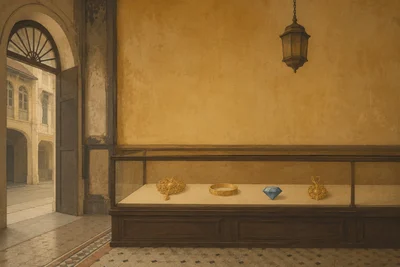
Malaysia's first listed jeweller went public at the worst possible moment — the depth of the 1998 crash — and beat its own numbers.
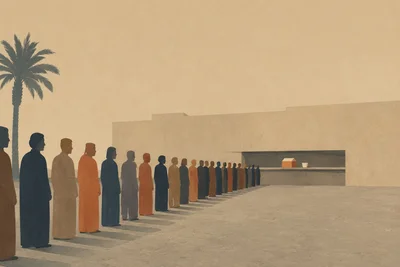
Saudi Arabia's most-loved chicken chain refused to open in its own capital for 43 years. The deliberate scarcity is what made it number one.
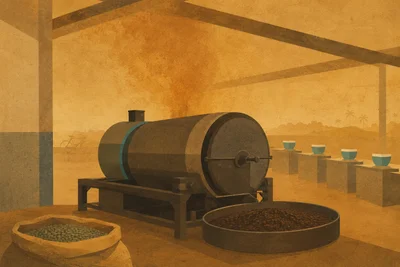
Rejected by 700 of its 800 wholesale buyers, Penang's oldest coffee factory opened its own stores — and invented Nitro Nanyang cold brew.
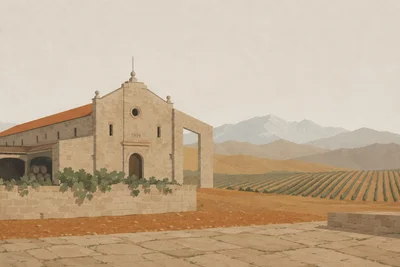
The dynasty that bailed out Norton twice in 36 years wrote no check in 2025. Now 130 years of Mendoza heritage is a court calendar.
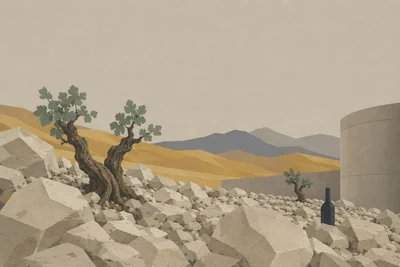
Three generations built this winery through five crises — each one converting an irrigation showroom into the World's Best Vineyard Hall of Fame.
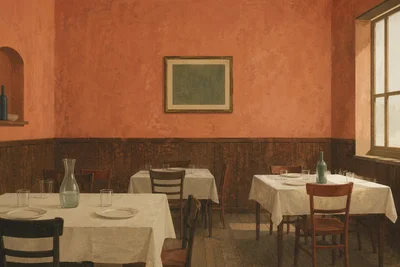
Twenty-seven years on the same Shanghai street — Da Marco closed voluntarily for two months in 2022 and found its customers still waiting.

Mongolia had never known private enterprise. Naran borrowed $8,000 in 1990 — and hasn't missed a TOP-100 enterprise ranking since 2008.
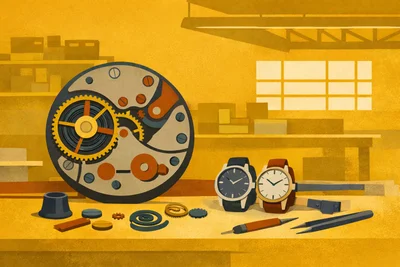
The Soviet pocket watch factory that survived as a military workshop, then bet its 1947 caliber on a wristwatch renaissance in Tankograd.
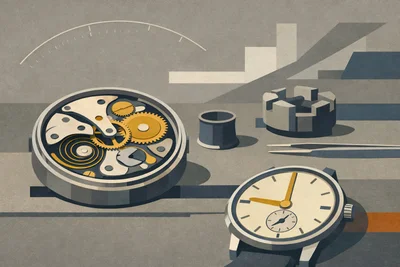
Gagarin wore it in 1961. Omega went to the Moon in 1969. Omega became the Moonwatch. This is what happened to the watch that got there first.
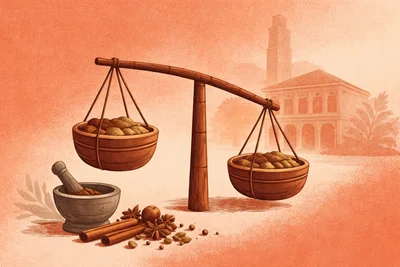
Malaysia's oldest restaurant lost 60% of its workforce in 18 months. Three years later, it opened a six-storey fine dining flagship.

Three syllables from a Renaissance sculptor. A SGD 5,000 loan. A 95% stock crash survived. Southeast Asia's boldest foreign branding play.
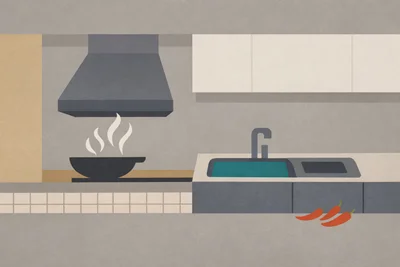
Raised prices during a price war, never went public, and holds more kitchen patents than the next nine Chinese competitors combined.
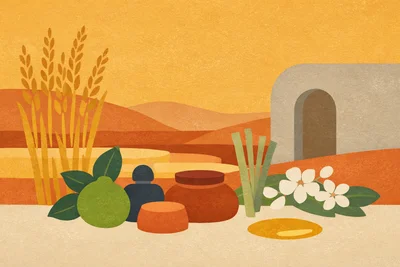
Every Bangkok mall rejected HARNN. The airport counter they settled for launched a rice bran oil brand to 17 countries and a $30.3 million exit.
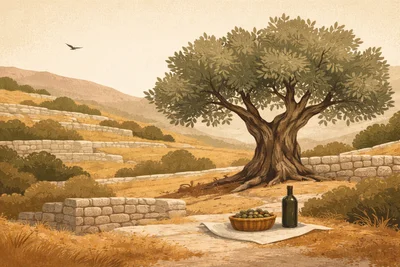
No country code, no sovereign port, military checkpoints between factory and sea — and 600 American retailers stocking Palestinian olive oil.
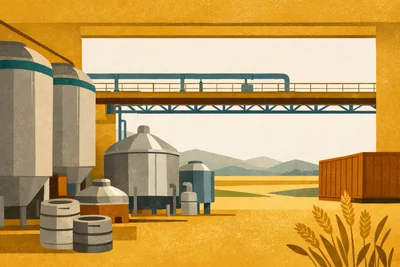
A dead English brewery, shipped 8,500 km to a Pyongyang cabbage field. Now 13 varieties, ~70% market share, exports defying UN sanctions.
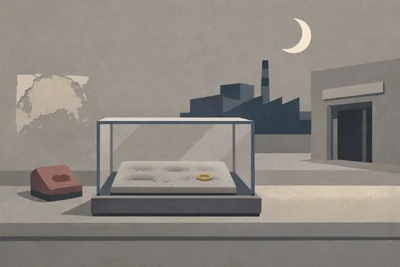
RUB 27.5B in bankruptcy claims, three executives prosecuted, 30 rivals destroyed — and the brand sold for RUB 6.5B eight years later.
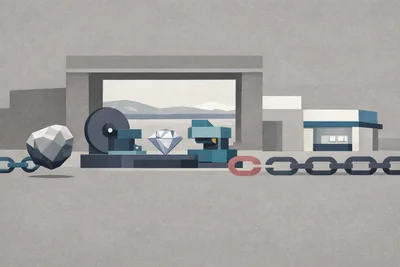
When Russia's diamond monopoly cut off its rough supply, EPL Diamond survived with a ₽500M state guarantee — then grew to 120+ stores.
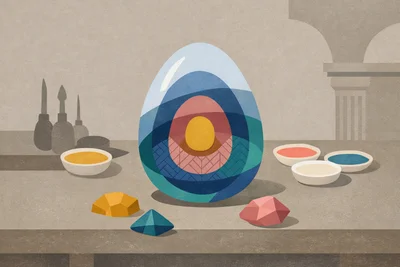
Lost its own name for $25,000 in 1951. Watched it sell for $1.55B on toilet cleaner. Recovered it for $38M. Still unprofitable.
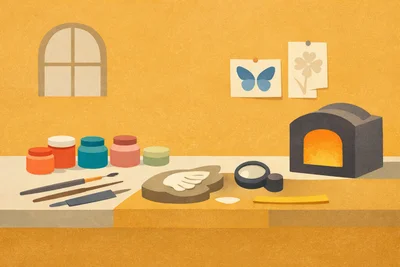
The most advanced enamel jewelry in the world is made by a self-taught Tatar who fires gold at 950°C — fifty degrees from destruction.
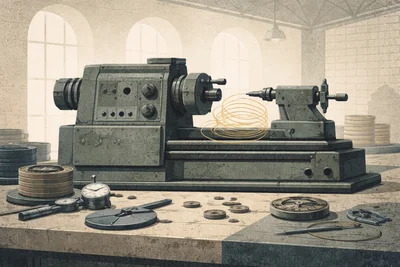
One of a small number of watchmakers globally making its own hairsprings, independent of the Nivarox supply chain most of the industry relies on.
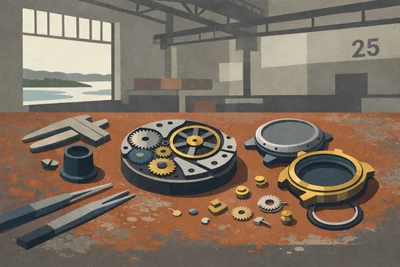
$187 in the bank. A court-declared death sentence. A dive watch whose seal tightens the deeper it goes. Russia's last watchmaker never stopped.

FAW's neglected budget brand lost ¥18 billion while Hongqi got everything. A $3,700 micro-EV named Pony delivered 200,000 units in 20 months.
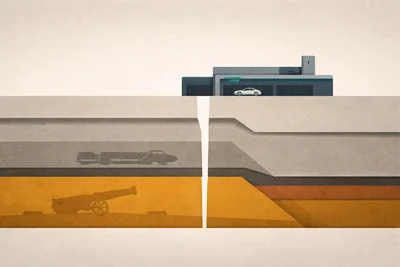
A weapons factory lost every profit engine at once. Its CEO fired 100 managers — and built three electric brands from the wreckage.

China's presidential limousine sold 4,700 cars in 2017. One radical transformation later: 460,000 — but the EV push is stumbling.

A minivan maker in a third-tier Chinese city built a $4,500 USD EV with no airbags. It outsold Tesla globally within six months.

97 employees sold their homes for a state-owned EV startup. First month: 879 deliveries. Three years later: 700,000 across 100 countries.
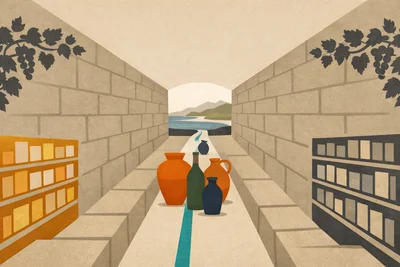
Russia's sole Abkhazian wine importer leveraged a ruble crisis to overtake every competitor — and now owns half the winery supplying it.
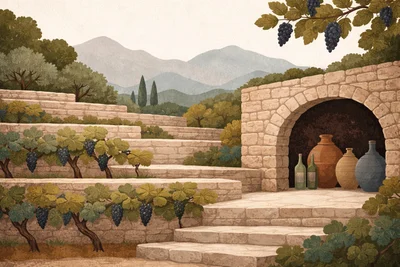
In a country where every winery makes semi-sweet wine, one family from a village of 843 refused. Their Malbec just won the national Gold Medal.
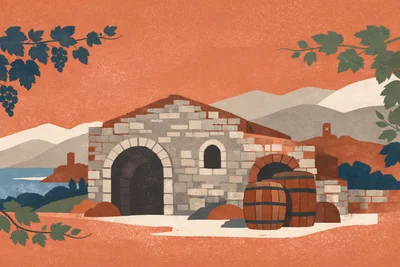
A dynasty survived Stalinism, war, and an international blockade — then rebuilt Abkhazia's wine from rubble to 28 million bottles.

A $5,000 soap formula became Russia's top organic brand. Then the founder died without a will—and the fairy tale outlived its storyteller.
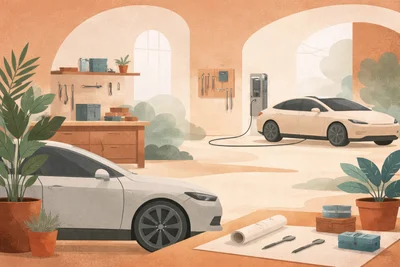
In 2020, Seres sold 732 electric cars. It gave its brand to Huawei. Four years later, AITO outsold BMW in China's luxury segment.
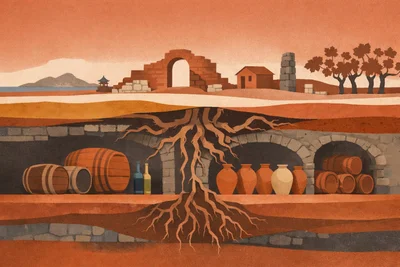
Founded in 1892 on a dinner-party remark. Survived bankruptcy, occupation, and revolution. Won China's first-ever Decanter Best in Show.
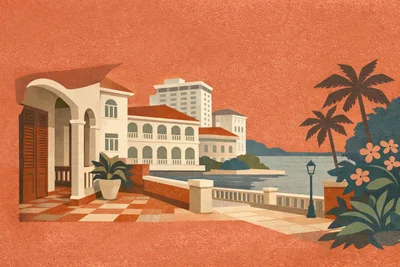
Four Armenian brothers from Isfahan built it in 1884. Bankruptcy, occupation, and fifty years of neglect followed — the E&O refused to die.
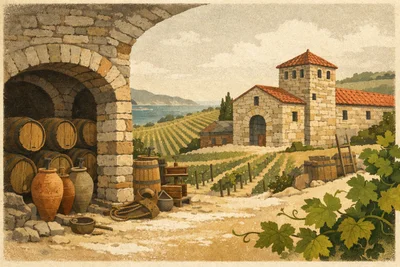
153 years across five Russian regimes ended in 2022 liquidation. Within a year, Russia's largest wine portfolio acquired the trademark.
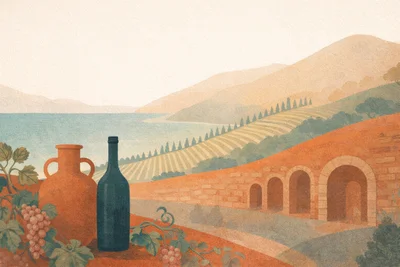
Bankrupt in 2014 with 75% of vineyards lost, revived to 6 million bottles—then seized into Russian state ownership in April 2026.
Bankrupted twice on the same debt. 2.7km of Stalin-era tunnels. A grain billionaire's sparkling wine bet—then a 2026 state seizure.
Every fifth bottle of Russian sparkling wine flows from cellars a Tsarist count built in 1860. The factory nearly died in 1993.
SOGO Japan's $17B bankruptcy left GAMA for the taking. Management buyout, turnaround playbook, sales quadrupled—now 240 stores.
Malaysian cacao crashed 99.9%. This company pays farmers 3x market rates and won the country's first international chocolate awards.
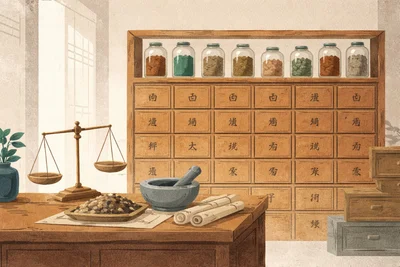
Uncles sold this 111-year-old TCM company to developers. Heirs bought it back for S$21 million—then sold it for S$808 million.
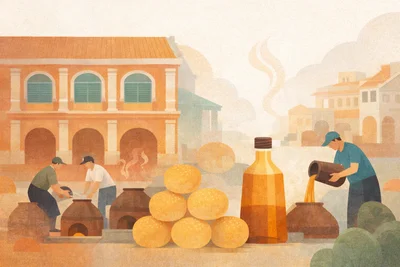
168 years old, seven in court. Four families nearly destroyed Malaysia's oldest confectionery. Sesame oil—not pastries—now 70% of revenue.
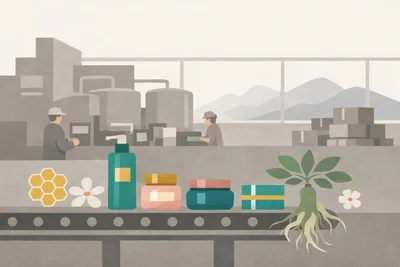
UN sanctions banned chemical imports. Unhasu pivoted to indigenous ingredients in weeks—6x production growth, 13x export surge by 2023.
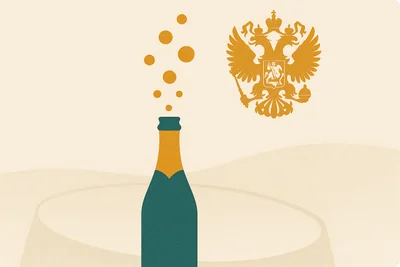
Imperial decree, Soviet survival, Western sanctions. In 152 years, Abrau-Durso has outlasted every force that tried to end it.
Gorbachev closed 600 liquor facilities—Derbent preserved its vineyards. 1998 devastated the industry—Derbent survived. 163 years.

Soviet bulk winery hired an Australian consultant in 2004. Today: 36.6 million bottles, Parker 97, 800K bottles to China yearly.
Europe's largest underground cellars—55,000 sqm carved into Roman quarries where natural limestone maintains 14–18°C year-round.
Two engineers spent $100M building Russia's largest winery—100% own grapes, 95.5M bottles. Then the state took it in 37 days.
In 1917, workers bricked up seven tunnels to hide the tsar's wines. The million-bottle collection survived five regime changes.

Sold at market peak for $50M. Bought back for $15M when the bank's president fled abroad. Now 400+ stores built from 1936 Soviet roots.
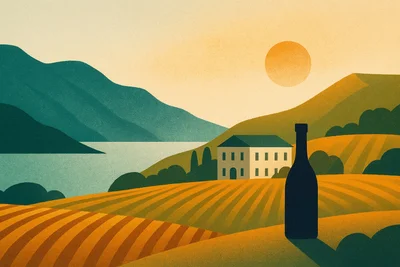
Russia's champagne birthplace. Prince Golitsyn carved cellars into coastal cliffs in 1878—tunnels that supplied tsars and outlasted regimes.

A 300-year winemaking tradition nearly died in 2018—not from market failure, but one death without succession. 720M RUB debt.
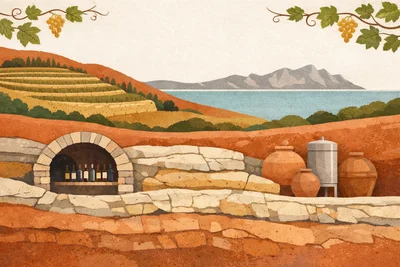
The harbor where the Light Brigade charged in 1854 now produces 10 million bottles of sparkling wine annually from 135 years of heritage.
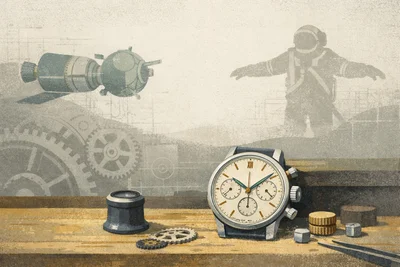
The Soviet chronograph that beat the Speedmaster to open space costs €435 today — assembled in Munich by one man with 50,000+ eBay reviews.

Near-bankrupt in 2009, founder dead in 2013, Western brands gone in 2022 — L'Etoile rebuilt each time. Now 1,600 stores across six countries.

Told for a decade that Thai luxury was impossible. Revenue hit zero during COVID. Then tripled to $32M — and KOSE paid $79M to acquire it.
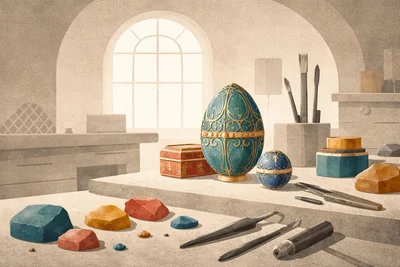
A ₽742M heritage jeweler in a ₽460B market — surviving Imperial collapse, WWII siege, bankruptcy, and Western sanctions across 113 years on Fabergé Square.
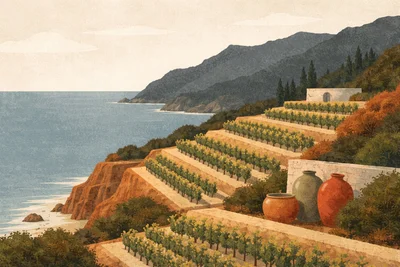
Founded as tanks rolled through Georgia, Chateau Abkhaz built Abkhazia's only full-cycle winery on zero-tariff Russian access—estate grapes, 30+ labels.
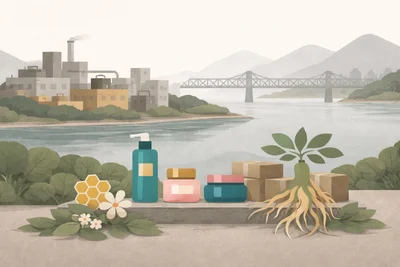
Three names, one factory, 80 years. A DPRK state enterprise that survived famine and sanctions by reinventing everything except the factory.
Directory of emerging brands in our research pipeline.
| Brand | Website |
|---|---|
| Him Heang | — |
| Lee Beng Chuan Joss Sticks | — |
| Yin Oi Tong | — |
| Brand | City | Country | Year | Website | Tier |
|---|---|---|---|---|---|
| Loading... | |||||
| No brands found matching your criteria. | |||||
| Visit — | Resilient Profiled Listed | ||||

A 1591 crossroads city built an empire on diamonds, lost its capital twice, and still exports a cuisine it never quite gets to own.

UNESCO named George Town's heritage worth protecting in 2008. The listing then displaced 82% of the residents that heritage depended on.

A generation of Filipino founders built the nation's love of its own fast food — then, one by one, sold the brands to the rival they'd beaten.

Uncles sold the 111-year-old TCM company. Fourth-generation heirs bought it back for S$21 million. Thirty years later: S$808M exit.

Saudi Arabia holds the world's largest Arabic perfumery market. The houses dominating global discourse are UAE. Four Saudi houses anchor home.

Two succession waves are converging in Jordan — Palestinian merchant diaspora and IMF-reform founders — neither visible to institutional capital.

Japan paid premium prices for the wellness brands on Karmakamet's corridor. The two that refused to sell are now Japan's next target.

An Ipoh institution's third-generation cook died at 48 with no named heir. A whole heritage-restaurant cohort is hitting succession at once.

A Philippine giant paid RM1.925 billion for a Malaysian biscuit maker. The asset wasn't the biscuits — it was the halal stamp behind them.

George Town lost 82% of its residents in 16 years. Its century-old food houses survived — by handing the recipes to a new generation.

Five Chinese-Malaysian and Bumiputera anchor brands are handing over now. Only one — Royal Selangor — has shown its governance template.

Malaysia's schools, colleges and universities were built by the same aging founders — and several families control all three tiers at once.

Three founder-to-next-generation handovers documented. Sixty percent of Malaysia's boutique heritage founders are still mid-transition.

80+ outlets, 400K combined followers, zero legal right to work. Malaysia's Middle Eastern restaurant economy operates in legal twilight.

Three completed handovers. One patriarch still in the chair. Thailand's restaurant dynasties are mid-succession — and no database has noticed.

Thailand's herbal dynasties survived the state, PE buyers, and a K-pop factory crisis. The sector's investable layer is smaller — and stronger.

Factory submerged, daughter who quit academia, cooperative outlasting its founder's death. Thailand's tea-coffee sector hides in plain sight.

Seven Sino-Thai snack dynasties built between 1925 and 1972. Three Bangkok Stock Exchange listings later, the succession test is running.

13 founder-owned hotel groups. Three crises in 25 years. Invisible to Western databases. Michelin found them in September 2024.

A Chiuchow fishmonger bottled Thailand's first fish sauce in 1910. Five families built the sector. The world buys it without knowing them.

Jim Murray scored Indian single malt 97/100 in 2009 — third best in the world. The category is still under-indexed fifteen years later.

Western beauty fled Russia in 2022. Russian founders had spent sixteen years building exactly the kind of sector that could absorb the shock.

Rohto screened 500+ Thai companies before selecting THANN. What they found: an entire crisis-born generation reaching transition at once.

Nine Sindhis founded Manila's oldest Indian chamber in 1951. Their descendants built Jollibee's largest franchise group and a $4B Jockey empire.

They built Tata, Godrej, and Wadia. They're disappearing at 10% per decade. The Parsi commercial story is running out of time.

They built Ghana's largest retailer, the UK's top vitamin brand, and the world's best-selling whisky. Almost nobody knows they are Sindhi.

Egypt is the world's largest table olive producer. Its olive oil exports surged 76% in 2024. No database profiles a single brand.

Tamil Muslim immigrants from Tamil Nadu have fed Malaysia for 120 years. Institutional investors have never heard of them. That gap is closing.
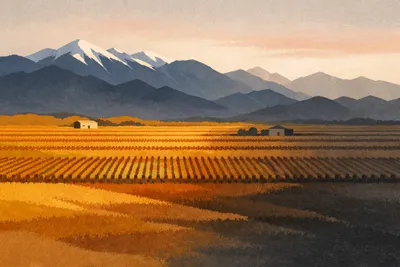
Peak acclaim meets deepest crisis in twenty years. Three marquee bodegas in distress. A founding generation approaching transition.
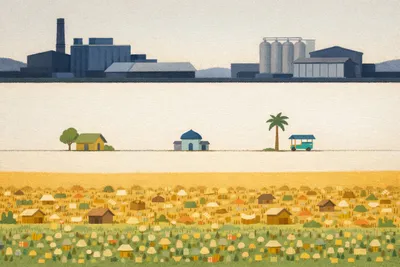
Between Indonesia's food giants and 1.6 million micro-producers, crisis-tested founder-owned brands occupy a band no database tracks.

Four Peranakan women built Indonesia's jamu industry. A century later, their dynasties face succession — and no investor database has noticed.

Twin crises — systemic honey fraud and mass bee die-offs — are forcing Russia toward branded products the world has never catalogued.

A 240-year tradition, an 18x export surge, and founders who survived fraud and genetic collapse — invisible to every database.
The most crisis-tested founders we cover -- forged by occupation and blockade -- entering the succession window with no plans and no partners.

Russia invented kefir. The world adopted it. A mining family, a German intern, and a student are building what heritage alone could not.

Soviet springs, crisis-tested founders, and a post-sanctions reshuffle the world missed — a therapeutic tradition invisible to global markets.

A $150M industry where 95% has no label, 99% of firms are family-owned, and zero appear in PitchBook. The founders are ageing out.

Two foreigners bought Russia's oldest factory. Six years later, only two options remained: total commitment or permanent closure.

Malaysia built 616 private colleges, then watched 232 disappear. The survivors were not the largest — they were the most crisis-tested.

A 106-year Teochew community bet, a semiconductor giant, and an art school started with seven students — Penang's private colleges.

Famous Russian porcelain names are all corporate-owned. The real story: career-pivoters building an artisan movement from the wreckage.

Switzerland exported zero watches to Russia in January 2023. The sector it left behind had been quietly building for three decades.

Malaysia's local coffee chains outnumbered Starbucks. The secret: kopitiam culture, halal certification, and founders forged by crisis.

He sold his house, his car, commuted by taxi. Today he holds the Middle East's first Swarovski license. Iran's leather sector hides 35 brands.

Iran grows 400 date cultivars and produces a million tons yearly — with zero global brands. Bateel sells at $46/kg. Iran exports at $0.64.

A Hong Kong chef bought a bottle as a tourist, then declared it 'the best in the world' on TV. That made sesame oil 70% of revenue.

Sanctions closed Europe overnight. Fanagoria tripled China exports in 90 days—800,000 bottles redirected in three months proves agility wins.

Boris Titov rescued a 136-year imperial estate. His son inherited it, then sanctions arrived—and the real succession test began.
Type to search across all brands, founders, and insights