 Skip to main content
Resilient Brand
Pista House
A false death report nearly destroyed this kitchen. Its haleem won India's first GI tag for a meat dish — beating Rasgulla in a vote.
Hyderabad, Telangana 🇮🇳
Brands that survived and adapted through major economic downturns, political transitions, or market disruptions, demonstrating proven resilience.

Crisis survival proves operational resilience and founder adaptability that fair-weather brands lack. These stress-tested businesses demonstrate downside protection and strategic flexibility—lowering investment risk through proven ability to navigate uncertainty and emerge stronger.
Interactive map showing brand locations across emerging markets. Use proximity search, view regional clusters, and explore nearby brands.
A false death report nearly destroyed this kitchen. Its haleem won India's first GI tag for a meat dish — beating Rasgulla in a vote.
Sold majority control to its much larger public parent in 2005. Regained it — and lost every one of its 28 storefronts — in the same year, 2020.
Told customers to stop buying during 2020 lockdown, paid staff from reserves — turnover doubled, ₽1.9B revenue by 2024, no investors.
GATE31 kept all 287 staff and every store open as demand cooled in 2026 — the exact decision that had already nearly killed it once, in 2017.
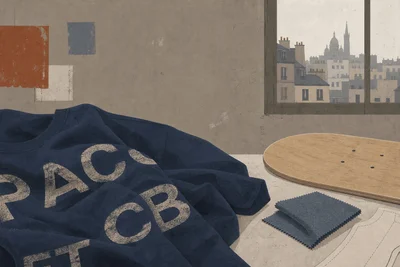
A Moscow skate label lost its home market and its famous co-founder inside two years, and kept the name, the team and the supply chain.
A Chinese-tradition kopitiam pursued halal certification as deliberate Malay-market strategy, not compliance — timed into a boycott wave.
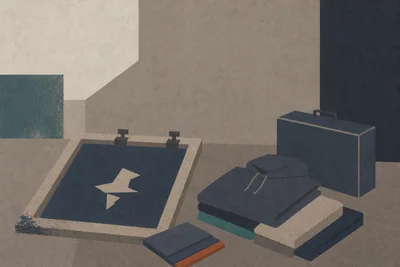
A Moscow streetwear label survived 2022 sanctions and a failed store — a rival ran out of cash — by refusing to raise its ₽2,600 T-shirt price.
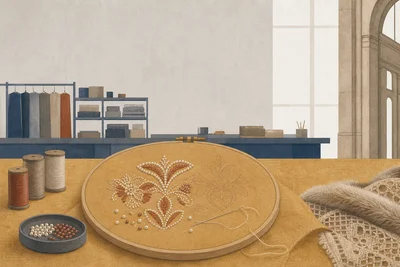
She kept her trademark out of a 2010 investor deal that then collapsed entirely — the one asset withheld became a ₽1.1B business.
Every Western stockist this Moscow house built since 2010 vanished in 2022. Her answer: Russia's first fully domestic collection.
A luxury Ayurveda brand with no category to sell into in 2000 built an 18-year staged buyout Estée Lauder announced completing in 2026.

1981: McDonald's landed in Manila with global scale. Jollibee out-tasted it — and by 2025 held 30.7% of the market to McDonald's 10.3%.

Sales were 'at their best,' its own trade body said. Then a Rp7 billion debt sank a Rp252 billion company with no succession plan for 39 years.
A 1990 factory fire nearly bankrupted a home cosmetics business. It rebuilt in two days — and became Indonesia's largest beauty company.

A Cali retailer that survived multinationals and currency crises for 57 years collapsed six years after its owner died with no successor.

A hotel that just posted its best year in a decade collapsed anyway — killed by inherited debt and a decade-long inheritance war.
China's No.1 suit brand became the world's top polarizer maker. Its founder died without a will. RMB33.55bn in claims followed.
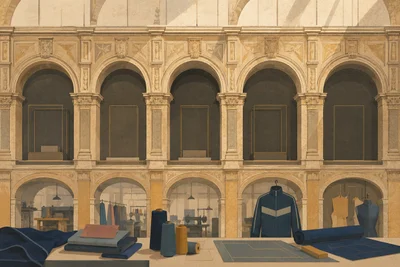
In 2022 every Western luxury house Bosco imported for 30 years left Russia at once. A factory built three years earlier is why it survived.
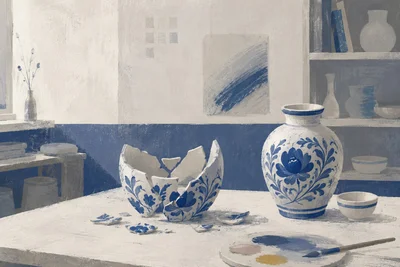
By 2009 Russia's most famous porcelain maker owed 425 million rubles. A conglomerate rebuilt it into a museum, not a factory.
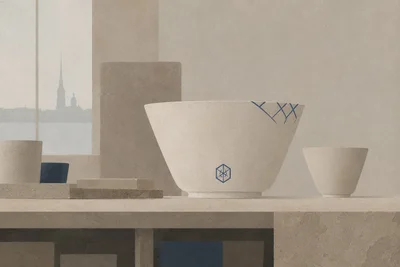
In 2000, a prosecutor opened a criminal case over who owned a blue lattice pattern on teacups from a factory that was already 256 years old.

Chowking's Chinese fast-food niche made rivals reformulate their own recipes — yet stayed too small to outgrow the partner who bought it in 2000.
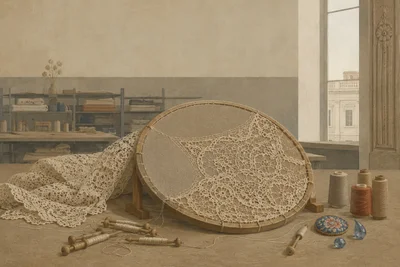
Her couture was built on being Russian. In 2022 that identity lost its Paris stage — yet 2024 revenue climbed 23.8% past a billion roubles.
A Moscow couture house opened the month the ruble crashed in 1998 — and outlasted bankruptcy, lost buyers and sanctions on breadth, not scale.
A 2003 Penang open-bakery became a ~31-outlet, three-region chain by industrialising the back end and never franchising — buns still from RM2.
A French-inspired café won factory and hospital canteens by reading as halal-friendly — yet no federal certificate sits on the public register.
Russia's largest men's-shoe maker survived the bankruptcy of its own holding company — because it had never really been just one company.
Malaysia's first listed jeweller went public at the worst possible moment — the depth of the 1998 crash — and beat its own numbers.
Saudi Arabia's most-loved chicken chain refused to open in its own capital for 43 years. The deliberate scarcity is what made it number one.
Rejected by banks and dismissed by rivals — Marrybrown built a 16-country halal QSR empire on the moves KFC and McDonald's could not copy.
Shut down at peak visibility in 2018. The 2025 Grunovis-FZCO relaunch is legally distinct from the CDG original — not a revival, a reset.
He built Russia's most exported womenswear label, lost the name when the investor closed it, then rebuilt it — this time owning every piece.
From a ₽200K Yekaterinburg bet with no fashion training to ~₽786M and the Garage Museum — a federal brand built entirely on its own terms.
11 years off-calendar in Paris before FHCM admission. When sanctions removed the slot, the infrastructure that earned it remained.

From a Yekaterinburg home showroom to ₽11.9B — twelve monthly capsules, one sanctions crisis, and a GUM flagship on the floor Hermès vacated.

Two crises tested the story-led model. The Golden Teardrop answered both — RMB 418M in 2024 fragrance sales, domestic category leader.

A single Deira outlet in 2000 became ~475 across ~45 countries — a halal QSR built for the emerging-market consumer the majors overlooked.

A Samara factory-floor brand captured 9% of the Moscow mall space H&M and Uniqlo vacated — then 5×'d revenue to ₽34.4B in three years.

Hairstory turned junior stylists into equity partners — then watched that model hold firm through three consecutive pandemic lockdowns.
Salerno to Phuket: the family pizzaiolo who built five wood-fired branches supplied by the family's own mozzarella factory in Kathu.
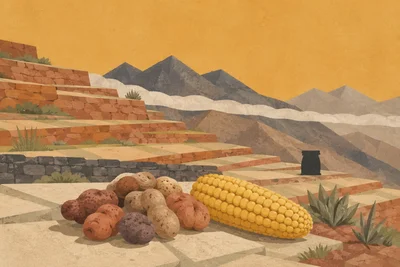
Chile's food-labelling rules accidentally pre-built Peru's snack compliance head start — a 30-year founder bet Alicorp valued at USD 72.2M.
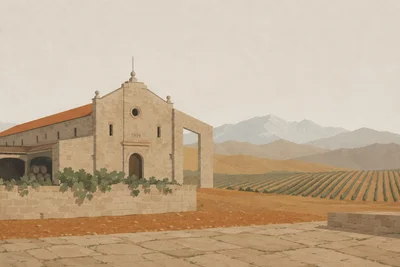
The dynasty that bailed out Norton twice in 36 years wrote no check in 2025. Now 130 years of Mendoza heritage is a court calendar.
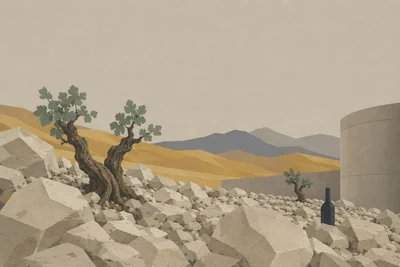
Three generations built this winery through five crises — each one converting an irrigation showroom into the World's Best Vineyard Hall of Fame.

China's #3 beauty-services chain survived a collapsed A-share takeover and a pandemic loss year to exit at RMB 1.25 billion in 2025.

A government shutdown order in 1979 became Singapore's most enduring heritage bakery — S$76M in revenue, no down years, zero compromises.
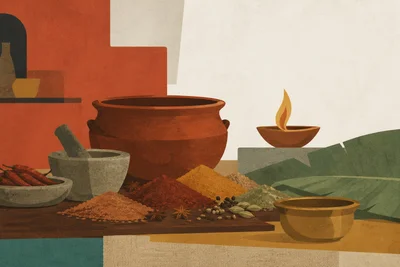
Six-figure rebrand, then a pandemic: 51,790 community meals later, Penang's first Tamil fine-dining restaurant opened on the other side.

Eighteen restaurant concepts under one founder-owned roof — built on the gambit that premium-priced Indian cuisine could clear MICHELIN.

Eight outlets on one Kuala Lumpur street, built by the operator who arrived first and held the lease through revenue at five percent of normal.
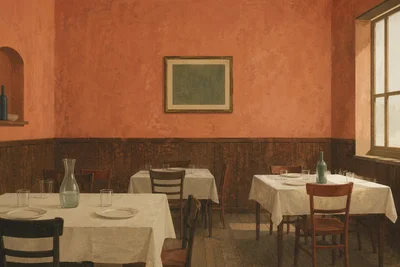
Twenty-seven years on the same Shanghai street — Da Marco closed voluntarily for two months in 2022 and found its customers still waiting.

Mongolia had never known private enterprise. Naran borrowed $8,000 in 1990 — and hasn't missed a TOP-100 enterprise ranking since 2008.
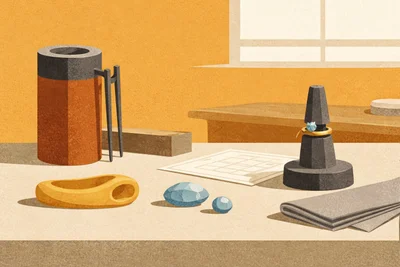
Cartier left Russia. Chamovskikh's March 2022 sales hit 400% of plan — earned by Peterhof, a Romanov commission, and the state treasury.
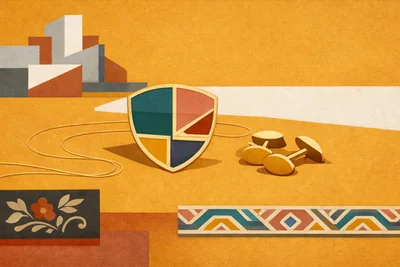
When the ruble crashed in 2014, Gourji lost millions on Italian production overnight — then rebuilt its entire supply chain inside Russia.

A Moscow jewelry laboratory where every ring is an engineering puzzle — pieces that open, transform, and hide diamonds inside mechanisms.
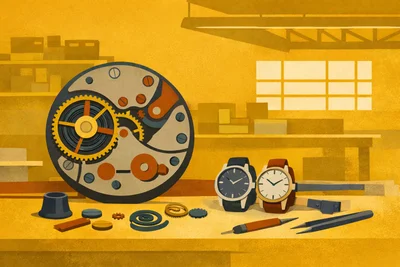
The Soviet pocket watch factory that survived as a military workshop, then bet its 1947 caliber on a wristwatch renaissance in Tankograd.

A palace photo shoot in 2010 revealed no Russian-style jewelry existed — the gap Aksyonov filled is now in the museum alongside Fabergé.
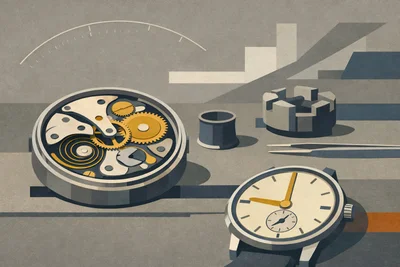
Gagarin wore it in 1961. Omega went to the Moon in 1969. Omega became the Moonwatch. This is what happened to the watch that got there first.

Russia's #1 beauty retailer: ₽155.5B revenue on 38 stores. Second-place L'Etoile has 890. The difference is a 700-person in-house tech team.
LVMH wrote off €210M and walked away. The manager it left behind bought the chain for nothing — then delivered the first profit in 23 years.

Co-founder died. Founding designer expelled. Russia exited under sanctions. Eight pieces in the Kremlin Armoury — now headquartered in Hong Kong.

One swallow bracelet. One ruble crash. Ten years later — two Moscow boutiques in the spaces Richemont and Roger Dubuis left behind.
Every Ismailov asset fell to creditors after his 2009 exile — except the distributor that had never been pledged as collateral.
Dismissed as a lollipop, Officer's Choice survived 160 lawsuits to outsell Johnnie Walker — then listed at 24.85× oversubscribed.
Malaysia's oldest restaurant lost 60% of its workforce in 18 months. Three years later, it opened a six-storey fine dining flagship.
A Moscow house proved "Russian style" meant silk, not matryoshkas — then its founder sold it in three pieces rather than watch it collapse.
Gloria Jeans seized 200 Western storefronts in 2022 — then discovered that occupying a rival's space isn't the same as earning their customers.
Gigi Hadid wore its suits and Selfridges stocked it — then a 2022 export ban erased Lesyanebo's supply chain and Kyiv creative base overnight.
Two fired flight attendants built Thailand's most awarded luxury spa brand inside heritage mansions no competitor can replicate.
Eight months of zero profit at a Chatuchak stall. Then 80,000 baht in one day. A zero-debt Thai brand became a 16-store lifestyle empire.
China's deepest distribution network — 1,500 dealers, every township — survived 29 lawsuits against Danone and the death of its founder.

Three syllables from a Renaissance sculptor. A SGD 5,000 loan. A 95% stock crash survived. Southeast Asia's boldest foreign branding play.
Raised prices during a price war, never went public, and holds more kitchen patents than the next nine Chinese competitors combined.
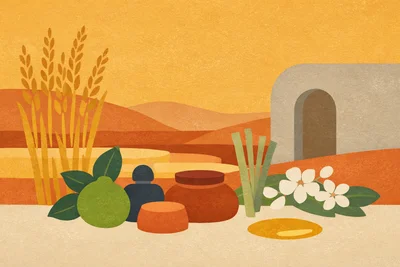
Every Bangkok mall rejected HARNN. The airport counter they settled for launched a rice bran oil brand to 17 countries and a $30.3 million exit.

A restaurant chain built around cakes, a halal crisis that shut 297 outlets, and a 56-day sprint that turned compliance into a B2B supply channel.

Never borrowed a baht in 23 years. When COVID struck three months after a $20M resort opening, zero-debt discipline became THANN's survival.
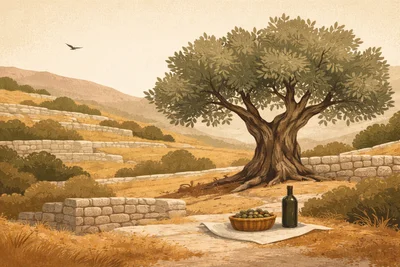
No country code, no sovereign port, military checkpoints between factory and sea — and 600 American retailers stocking Palestinian olive oil.
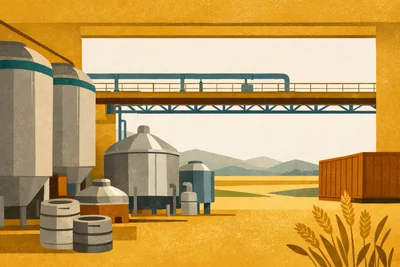
A dead English brewery, shipped 8,500 km to a Pyongyang cabbage field. Now 13 varieties, ~70% market share, exports defying UN sanctions.
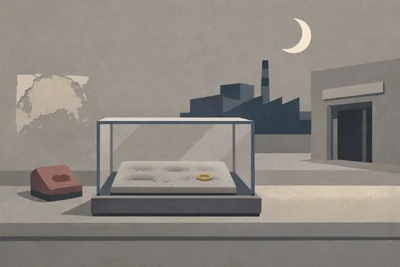
RUB 27.5B in bankruptcy claims, three executives prosecuted, 30 rivals destroyed — and the brand sold for RUB 6.5B eight years later.
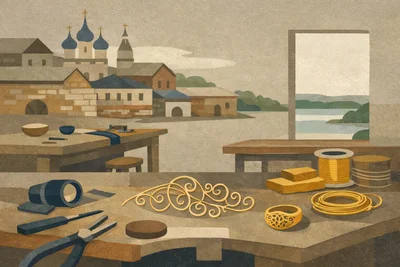
A bankrupt factory with six months of unpaid wages during the 1998 crash became the core of Russia's first vertically integrated jewelry empire.

A former sniper-scope polisher now sets gemstones at Avgvst's Ural factories. When sanctions hit, the brand split in two and grew 40%.
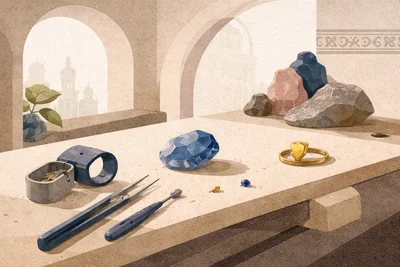
Thirteen years in Italy, then he scrapped it all. Six months of failed production later, fifty craftsmen who stunned Valenza.

Russia's only carbon-fiber jeweler lost its namesake designer in 2016 — and the rebrand proved more generative than the original.
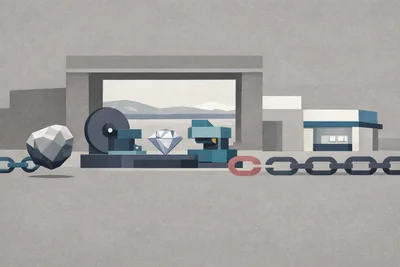
When Russia's diamond monopoly cut off its rough supply, EPL Diamond survived with a ₽500M state guarantee — then grew to 120+ stores.
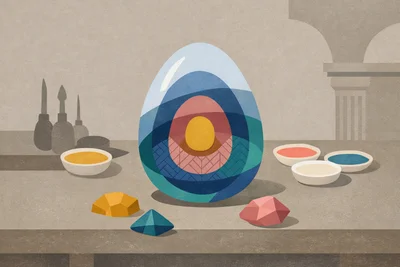
Lost its own name for $25,000 in 1951. Watched it sell for $1.55B on toilet cleaner. Recovered it for $38M. Still unprofitable.
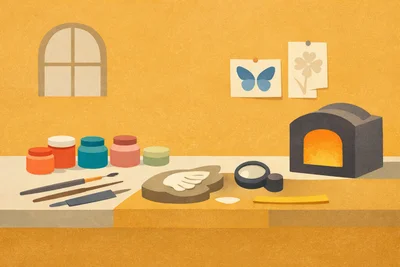
The most advanced enamel jewelry in the world is made by a self-taught Tatar who fires gold at 950°C — fifty degrees from destruction.
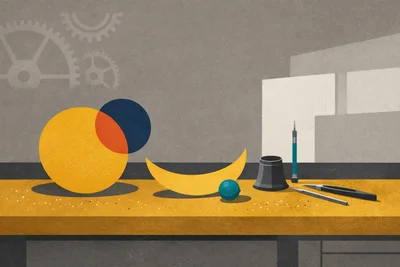
A failed movement four months before Baselworld. Fourteen people. The Joker was born from panic — and sold out in weeks at Basel.
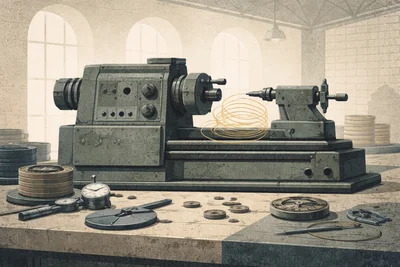
One of a small number of watchmakers globally making its own hairsprings, independent of the Nivarox supply chain most of the industry relies on.
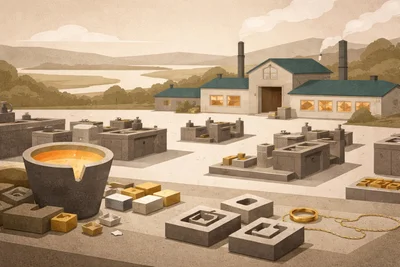
A village with no gold makes 60% of Russia's jewelry. Its dominant company started with nine people — and sold for an estimated ₽30–40bn.
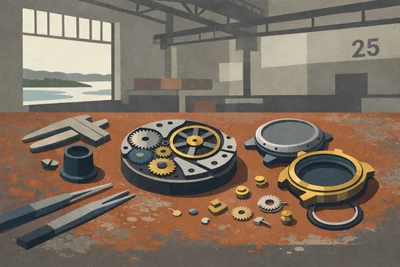
$187 in the bank. A court-declared death sentence. A dive watch whose seal tightens the deeper it goes. Russia's last watchmaker never stopped.

Russia's largest jewelry chain — 397 stores, ₽45B revenue — collapsed in 18 months under ₽31.7B debt after the 2014 ruble crash.

BAIC's Arcfox sold 266 cars in a single month. Three years and one complete identity surrender later, it sold 160,000 in a year.

FAW's neglected budget brand lost ¥18 billion while Hongqi got everything. A $3,700 micro-EV named Pony delivered 200,000 units in 20 months.
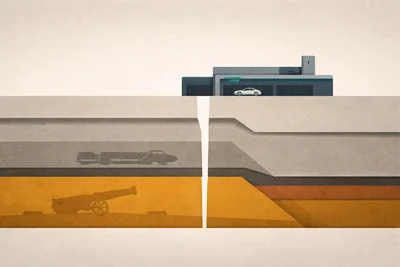
A weapons factory lost every profit engine at once. Its CEO fired 100 managers — and built three electric brands from the wreckage.

An eleven-year joint venture burned RMB 7.76 billion on 23,000 cars. Then BYD seized control and bet the relaunch on a minivan.

BYD built a brand for a category that barely existed. Then it nearly destroyed buyer trust before selling 50,868 vehicles in a single month.

Geely's first EV brand collapsed into ride-hailing fleets. Its replacement, Galaxy, delivered 494,000 vehicles in its second year — the fastest ramp in Chinese auto history.

China's presidential limousine sold 4,700 cars in 2017. One radical transformation later: 460,000 — but the EV push is stumbling.

A minivan maker in a third-tier Chinese city built a $4,500 USD EV with no airbags. It outsold Tesla globally within six months.

In 2010, BYD's quarterly profit dropped 99% and Elon Musk laughed on camera. A decade later, BYD outsold Tesla and surpassed its revenue.

97 employees sold their homes for a state-owned EV startup. First month: 879 deliveries. Three years later: 700,000 across 100 countries.
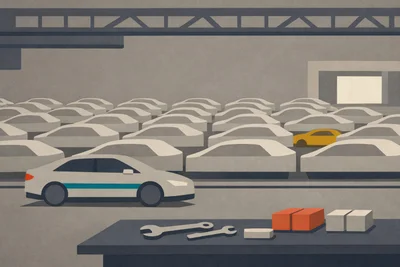
480,000 EVs delivered in one year — and Chinese consumers still call it 'the taxi car.' A ¥103B unicorn trapped in the wrong lane.

SAIC's profits fell 93%. IM Motors sold 455 cars a month while its closest peer went bankrupt. Survival required gutting its own price strategy.
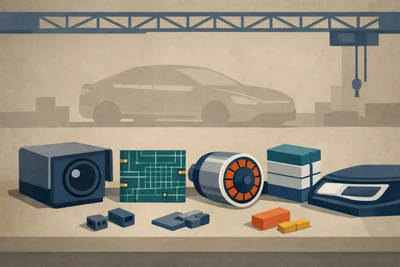
Leapmotor's first car sold 1,000 units and triggered a government recall. Five years later, the company delivers 1,600 vehicles per day.

First product killed by regulators. Technology mocked as backward. Became China's first profitable EV startup — then MEGA wiped ¥100 billion.
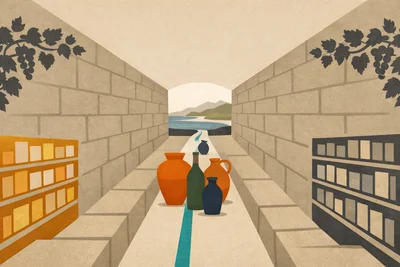
Russia's sole Abkhazian wine importer leveraged a ruble crisis to overtake every competitor — and now owns half the winery supplying it.

NIO's finance team counted cash in ¥10,000 units while the stock sat at $1.19. The gap between survival and collapse was 1,000 vehicles.

Worst per-car loss in Chinese EVs in 2022. Three years later, Voyah replaced its Fortune 500 parent on the Hong Kong Stock Exchange.

When 400 Chinese EV brands collapsed, a phone company delivered 50,000 car orders in 27 minutes — and 600,000 vehicles in 22 months.

184 cars sold the month XPeng launched its flagship G9. Stock crashed 80%, ten executives left. Two years on: 197,000 vehicles in six months.

Forty brands cut prices when Tesla slashed the Model Y. Zeekr loaded more technology into cheaper vehicles — and tripled its margins.
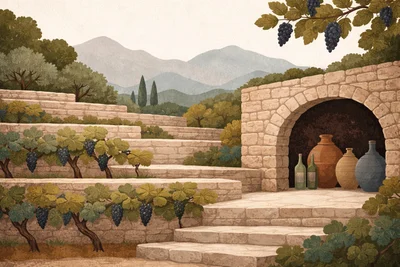
In a country where every winery makes semi-sweet wine, one family from a village of 843 refused. Their Malbec just won the national Gold Medal.
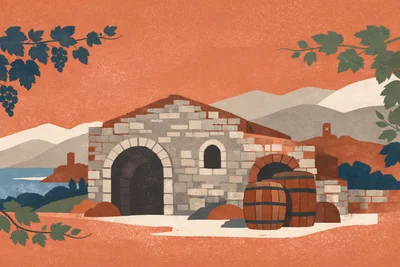
A dynasty survived Stalinism, war, and an international blockade — then rebuilt Abkhazia's wine from rubble to 28 million bottles.

A $5,000 soap formula became Russia's top organic brand. Then the founder died without a will—and the fairy tale outlived its storyteller.

From nine vehicles in its first month to 10,000 a month by 2024, Avatr shows what China's CHN triple alliance can build from nothing.
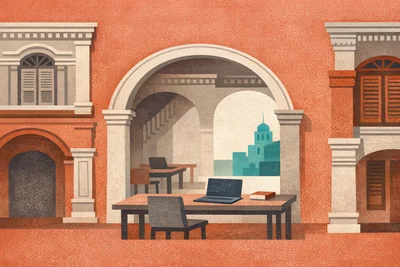
Five weeks after raising US$500K, Malaysia locked down. Forward College had 17 students and no backup plan. Every graduate has a job.
A freight forwarder, not a chef, built China's largest Italian food brand. When Shanghai locked down ten venues, his supply chain held.
In 2020, Seres sold 732 electric cars. It gave its brand to Huawei. Four years later, AITO outsold BMW in China's luxury segment.
Founded in 1892 on a dinner-party remark. Survived bankruptcy, occupation, and revolution. Won China's first-ever Decanter Best in Show.
Four Armenian brothers from Isfahan built it in 1884. Bankruptcy, occupation, and fifty years of neglect followed — the E&O refused to die.

Seven Shopify products hide a 500-year medical dynasty — 120+ herbal medicines, 1,300 pharmacies, and Mongolia's highest medical honor.
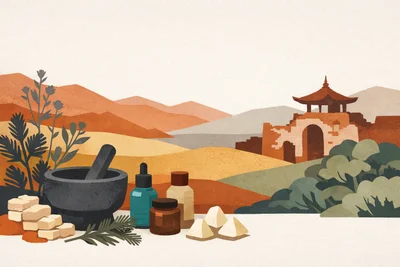
746 monasteries burned to erase Mongolian traditional medicine. One healing lineage survived in secret. The tenth generation now sells it.

She left a 161-country cosmetics career to return to a Mongolian farm. Four staff then built a four-country export architecture for 12 markets.

When currency collapsed, most wine retailers contracted. Invisible grew 125% by buying what importers couldn't sell at any price.
When 60% of Fort Wine's revenue channel vanished overnight in March 2020, the company matched peak holiday sales levels and grew exponentially.
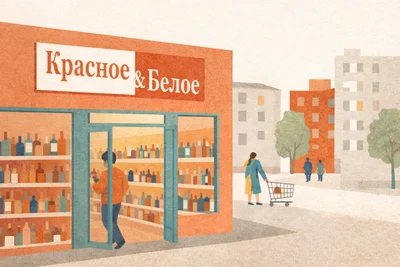
23% margins in an industry built on 150%. Russia's largest alcohol retailer proved volume beats premium by opening 20,527 stores.
A €30,000 whisky bottle sits in SimpleWine's Moscow headquarters—debt payment from the 1998 crisis when currency was worthless.
153 years across five Russian regimes ended in 2022 liquidation. Within a year, Russia's largest wine portfolio acquired the trademark.
A Tsar sampled wine here in 1837. Sanctions mean you never will. Crimea's most exclusive winery produces 40,000 bottles for Russia alone.
Russia's standard vineyard density is 3,000 vines per hectare. Château Sort planted 6,700—and turned skeptics into believers.
Seven gold medals at Mundus Vini in a single vintage. First Russian winery to achieve it. Now $80 bottles that win European competitions blind.
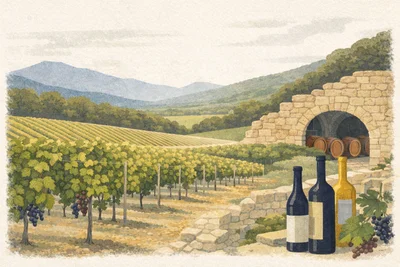
Purchased land for apple storage. Discovered 2,000-year-old fortress ruins and extinct French grape variety. Now Russia's #3 Sauvignon Blanc.
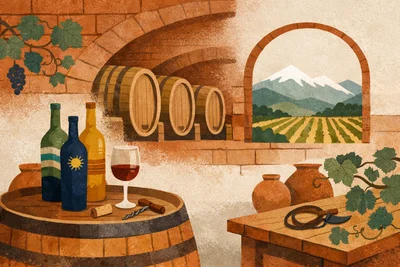
No distributor would touch Russia's first licensed family winery. Four years later, hand-painted bottles sell from Sochi to Vladivostok.
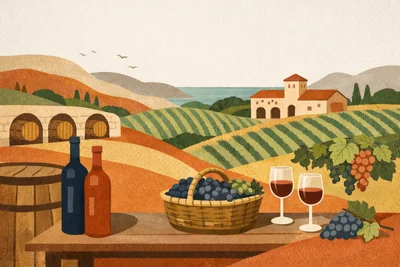
A 40-year industry veteran's boutique winery survived 754M rubles of bankruptcy. Six years later: Forbes TOP100Wines.ru 2021.
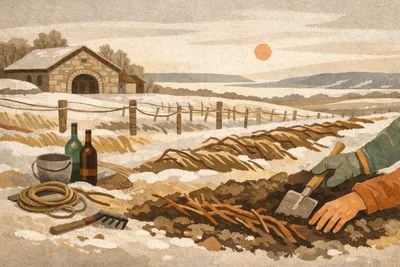
He made his fortune in potatoes. Then buried grapevines at 53°N where winter hits -47°C. The 2019 frost killed half his harvest. He kept going.
A frozen vineyard destroyed $2 million. The response: university at 43, indigenous grapes nobody wanted, and Russia's first Luca Maroni score.
Bankrupt in 2014 with 75% of vineyards lost, revived to 6 million bottles—then seized into Russian state ownership in April 2026.
Bankrupted twice on the same debt. 2.7km of Stalin-era tunnels. A grain billionaire's sparkling wine bet—then a 2026 state seizure.
Every fifth bottle of Russian sparkling wine flows from cellars a Tsarist count built in 1860. The factory nearly died in 1993.
21 years of organic farming, no certification system. $15M in losses, forced sale. Then in 2022: first organic certification in Krasnodar.
Billionaire rescue capital, a highway 'lighthouse' winery, Russia's first World's Best Vineyards entry—from a project profitable only in 2024.
Helicopter search for one hectare found 200. Forbes billionaire agreed instantly. Four years of losses before Russia's Wine of the Year.
Kremlin toast in 2012. Bankrupt by 2018. Michel Rolland consulting by 2021. Russia's first French-style winery refuses to die.
SOGO Japan's $17B bankruptcy left GAMA for the taking. Management buyout, turnaround playbook, sales quadrupled—now 240 stores.
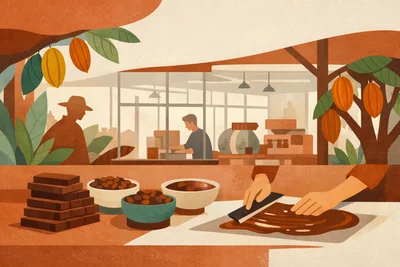
Malaysian cacao crashed 99.9%. This company pays farmers 3x market rates and won the country's first international chocolate awards.
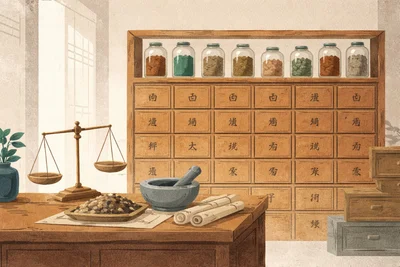
Uncles sold this 111-year-old TCM company to developers. Heirs bought it back for S$21 million—then sold it for S$808 million.

Nine years between funding rounds—surviving on margins while competitors burned cash. Now holds the world's first TCF diaper patent.
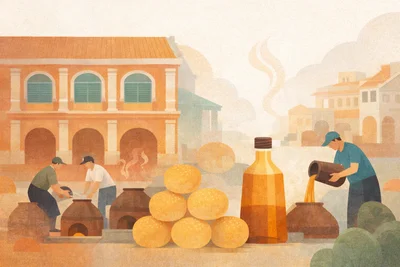
168 years old, seven in court. Four families nearly destroyed Malaysia's oldest confectionery. Sesame oil—not pastries—now 70% of revenue.
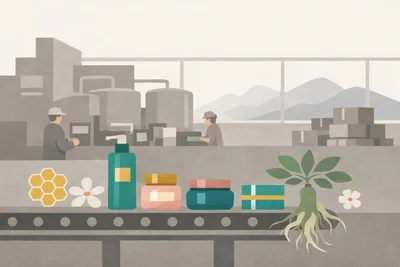
UN sanctions banned chemical imports. Unhasu pivoted to indigenous ingredients in weeks—6x production growth, 13x export surge by 2023.
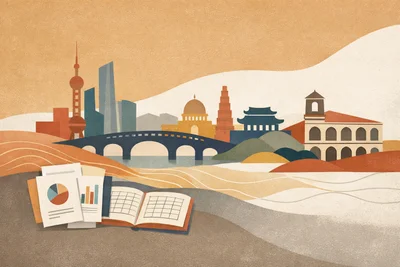
A misspelled surname, $500, and Deng's Southern Tour. Thirty-two years later: 27 offices, $50M revenue, six crises survived by staying put.

Launched during SARS into Shanghai's missing middle. Academy-trained consistency scaled across continents—then survived the founder's full exit.
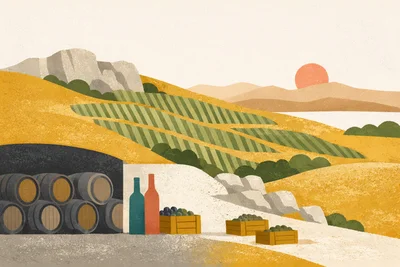
Igor Samsonov died at 46. Eleven months later, Forbes crowned ESSE Winery of the Year. His quality systems outlived him—Crimea's boldest bet.
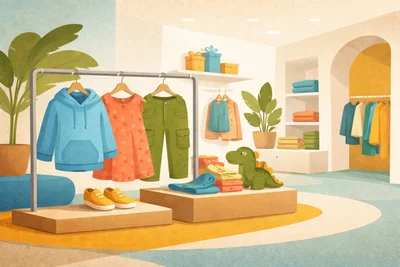
Hebrew name. Israeli design. Chinese production. Russian stores. Boris Ostrobrod disguised "Russian" as "foreign" when domestic meant cheap.
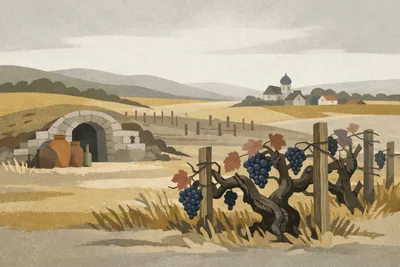
Soviet authorities destroyed 93% of Don Valley vineyards. One patriarch refused to cut a single vine, preserving 30+ extinct varieties.

Russian Orthodox Church spent eight years preparing. Debut year: #12 nationally at 93.5 points. Two years in: Double Gold at Terravino.
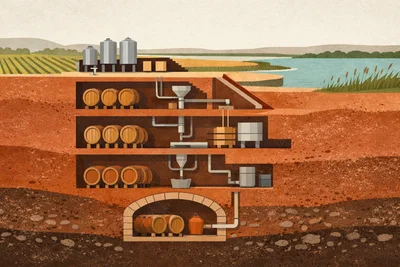
Loans at 24%. Twelve years unprofitable. Friends watching her 'descend into a pit.' Then Certificate №001—Russia's first federal license.

Zero TV ads. Zero magazine spreads. 15,000 KOL partnerships. Perfect Diary proved trust networks beat ad budgets—#1 on Tmall.

From Ufa to Paris Fashion Week. Zero ad budget, Instagram-first. 150 stockists at peak—yet founder admits "all the same doubts—they are endless."

Imperial decree, Soviet survival, Western sanctions. In 152 years, Abrau-Durso has outlasted every force that tried to end it.

EU sanctions closed exports in 2014. Alma Valley built Russia's only gravity-flow winery, won IWSC medals, rode import substitution.
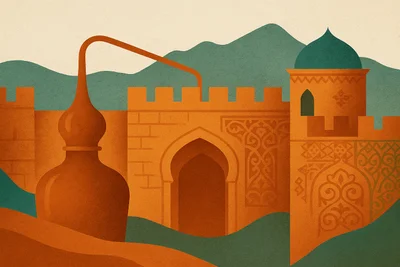
Gorbachev closed 600 liquor facilities—Derbent preserved its vineyards. 1998 devastated the industry—Derbent survived. 163 years.

Europe's largest underground cellars—55,000 sqm carved into Roman quarries where natural limestone maintains 14–18°C year-round.
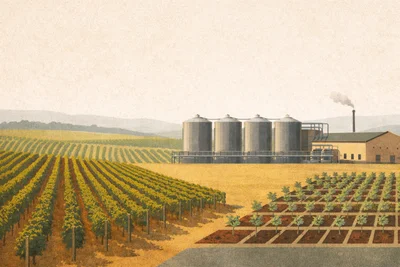
Two engineers spent $100M building Russia's largest winery—100% own grapes, 95.5M bottles. Then the state took it in 37 days.
$110 million and Château Mouton Rothschild's winemaker built Russia's first 91-point Parker wine. Bankruptcy. New owners inherit.

In 1917, workers bricked up seven tunnels to hide the tsar's wines. The million-bottle collection survived five regime changes.

Sold at market peak for $50M. Bought back for $15M when the bank's president fled abroad. Now 400+ stores built from 1936 Soviet roots.

Russia's champagne birthplace. Prince Golitsyn carved cellars into coastal cliffs in 1878—tunnels that supplied tsars and outlasted regimes.

A 300-year winemaking tradition nearly died in 2018—not from market failure, but one death without succession. 720M RUB debt.
TEGIN's cashmere line survived sanctions when its European buyers vanished — the profit no one notices funds the concept no one can copy.
456 followers, cash-only, born in a hotel lobby — yet two Penang outlets in three years, built by a chef who carried Aleppo out of a war.

Built Mongolia's beauty retail rails — 50+ stores, 264 brands — then took Asia's longest-running Yves Rocher franchise from its largest rival.
Eighteen days after lockdown lifted, six days before flights resumed—Setsuka Shop opened its flagship store on pre-positioned inventory.
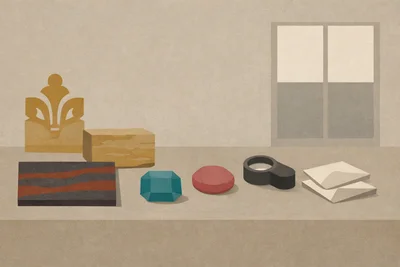
Two Moscow journalists who became jewelers set antique stones — possibly once worn by queens — into Damascus steel and petrified wood.
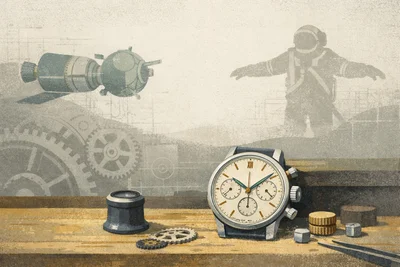
The Soviet chronograph that beat the Speedmaster to open space costs €435 today — assembled in Munich by one man with 50,000+ eBay reviews.

Near-bankrupt in 2009, founder dead in 2013, Western brands gone in 2022 — L'Etoile rebuilt each time. Now 1,600 stores across six countries.
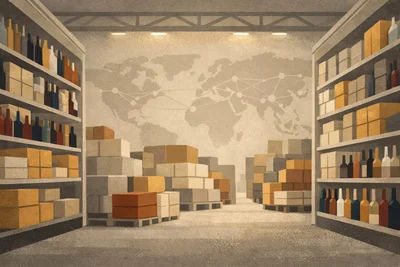
Named after a prayer in 1993, Luding Group spent 30 years quietly building the production assets that would survive a one-day sanctions shutdown.
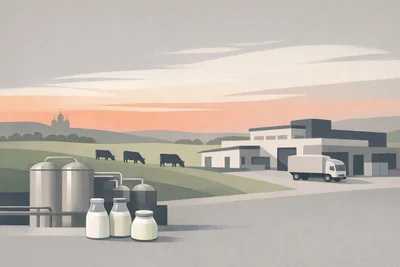
Their milk expires in twelve hours. Three ex-miners with zero farming experience built Moscow's most demanding dairy brand from Arctic scratch.

A Thai beauty brand built on Rama V court flower recipes — COVID destroyed 40% of revenue, then a THB 72M corporate deal reshaped its future.

Told for a decade that Thai luxury was impossible. Revenue hit zero during COVID. Then tripled to $32M — and KOSE paid $79M to acquire it.
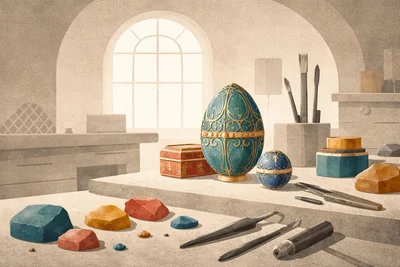
A ₽742M heritage jeweler in a ₽460B market — surviving Imperial collapse, WWII siege, bankruptcy, and Western sanctions across 113 years on Fabergé Square.
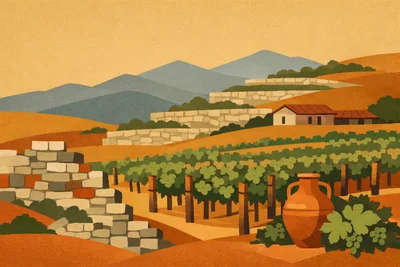
A dynasty filling 28M bottles with Moldovan bulk spent 685M rubles building the estate winery that proves Abkhazian wine exists.

Against 28 million bottles of semi-sweet, a telecom CEO set up Italian equipment in an Abkhazian village and won five international medals.
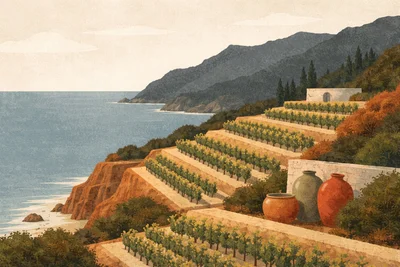
Founded as tanks rolled through Georgia, Chateau Abkhaz built Abkhazia's only full-cycle winery on zero-tariff Russian access—estate grapes, 30+ labels.

Twenty-six products became three. Staff fell from eleven to seven. The pruning produced one of two Mongolian cosmetics with EU registration.
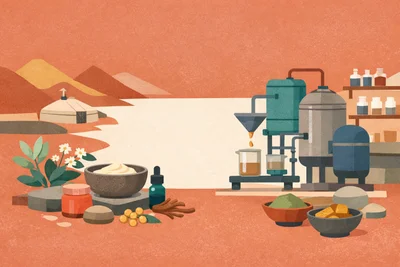
Mongolia's first ISO-certified sea buckthorn factory — German-engineered on Chinggis Khan's winter camp, exporting to five countries.

Fifteen rival brands, one export identity, a Berlin storefront — an English teacher built Mongolia's collective path to European shelves.
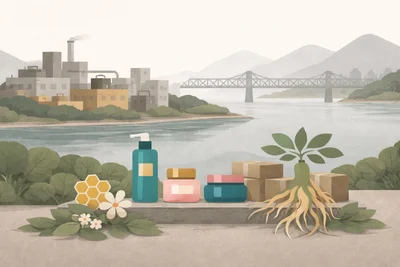
Three names, one factory, 80 years. A DPRK state enterprise that survived famine and sanctions by reinventing everything except the factory.

Outproduces North Korea's top cosmetics factory. Never visited by Kim Jong Un. Chinese partner untraceable. The DPRK's most hidden beauty brand.
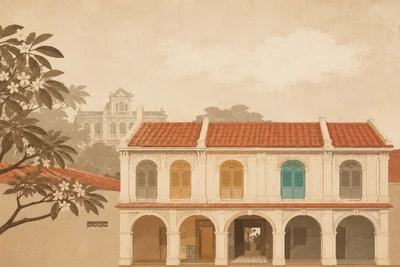
A former construction engineer opened 3 restaurants during a pandemic that closed hundreds. Now Penang's halal fine dining scene belongs to him.
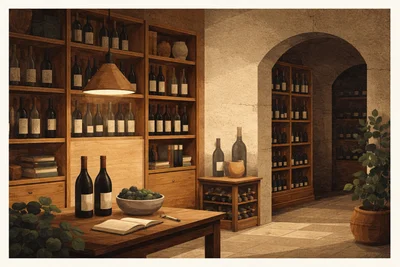
Russia's most prestigious wine portfolio—Romanée-Conti, Pétrus, Gaja—belongs to two engineering students who started by selling dishes.
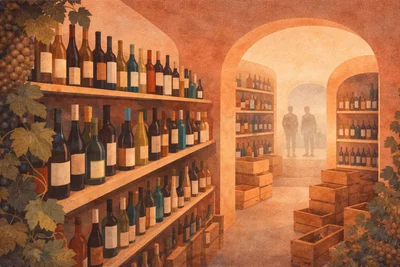
Two brothers built Russia's oldest wine chain to 1,014 stores in complete anonymity—then a 2025 lawsuit split the ₽50 billion empire.
One location for eleven years. Then three in two years. When pandemic shuttered competitors, its grocery model kept revenue flowing.
Directory of emerging brands in our research pipeline.
| Brand | Website |
|---|---|
| Lee Beng Chuan Joss Sticks | — |
| Yin Oi Tong | — |
| Brand | City | Country | Year | Website | Tier |
|---|---|---|---|---|---|
| Loading... | |||||
| No brands found matching your criteria. | |||||
| Visit — | Resilient Profiled Listed | ||||

China's restaurant market is ¥5.5 trillion and barely 5% chain-owned. The founders who beat that number are aging out of that decision.
A winery listed on a national exchange, a kitchen-appliance maker with ¥17 billion in revenue, and a beverage company that reached several billion dollars in revenue all return nothing usable from the platforms built to find private companies.

Phoenician port, Spanish presidio, EU border, live fault line — Melilla survived by repricing what it sells to whoever holds power.

Three Russian bakery-café founders hit the same cost squeeze. One named his limit and held it. One sold. One died before the question resolved.

Russia's best coffee brands aren't in Moscow — and 2022 didn't kill the ones that survived. It proved which founders still held the wheel.

He told a magazine his son would inherit the company. He never wrote it down. A two-year war followed — and his family lost everything.

A generation of Filipino founders built the nation's love of its own fast food — then, one by one, sold the brands to the rival they'd beaten.

The world's #1 modest-fashion ecosystem was built by founders whose entire record — scale, crises, ownership — exists only in Bahasa Indonesia.

A few founders built Malaysia's modern bakery sector through three crises. In 2024–2026 they are all handing it over at once — unwatched.

Three revolutions, two ruble shocks, a jailed founder, a pork-DNA war with Moscow — Kyrgyzstan's food founders survived all of it.

Kyrgyzstan's certified natural-food exporters are Central Asia's best-documented secret — invisible behind a Russian-language wall.

Four ruptures filtered Kyrgyzstan's bazaar founders to the most crisis-tested. The 1991 cohort is now 55–70. No investor has mapped them.

Serbia's wine sector restarted from zero in 1990. Its export bet is a grape the West can't benchmark — and the China window just opened.
Serbia's post-2000 founders — wine, rakija, organic food — are now 50–68. The EU accession clock is running and no one is watching.

Uncles sold the 111-year-old TCM company. Fourth-generation heirs bought it back for S$21 million. Thirty years later: S$808M exit.

Told for a decade that Thai luxury was impossible. Revenue hit zero during COVID. Then tripled to $32M — and KOSE paid $79M to own it.

An A-share takeover collapsed. A pandemic dealt the only loss year. Seven years later, Beauty Farm paid RMB 1.25 billion for what survived.

Saudi Arabia holds the world's largest Arabic perfumery market. The houses dominating global discourse are UAE. Four Saudi houses anchor home.

Two reform waves, a civil war, and zero succession infrastructure: Côte d'Ivoire's founder cohort enters the succession window simultaneously.

Two succession waves are converging in Jordan — Palestinian merchant diaspora and IMF-reform founders — neither visible to institutional capital.

A 1992 ceasefire built Mozambique's private sector. That founder cohort — now 52–72 — is entering succession, and the wave is already breaking.

The 1994 CFA franc devaluation forged Senegal's founder generation. Four of the most prominent — all over 65 — have no succession plan.

Three crises in five years forged Tanzania's founder cohort. No database captures what they survived. One succession is already in motion.

Tunisia created AfricInvest — Africa's most active PE fund. It has never documented its own founder generation's succession situation.

When 500+ Western brands fled Russia in 2022, founder-owned labels hardened by three prior crises seized the vacuum — unwatched by the West.

Japan paid premium prices for the wellness brands on Karmakamet's corridor. The two that refused to sell are now Japan's next target.

An Ipoh institution's third-generation cook died at 48 with no named heir. A whole heritage-restaurant cohort is hitting succession at once.

A Philippine giant paid RM1.925 billion for a Malaysian biscuit maker. The asset wasn't the biscuits — it was the halal stamp behind them.

George Town lost 82% of its residents in 16 years. Its century-old food houses survived — by handing the recipes to a new generation.

Five Chinese-Malaysian and Bumiputera anchor brands are handing over now. Only one — Royal Selangor — has shown its governance template.

Malaysia's schools, colleges and universities were built by the same aging founders — and several families control all three tiers at once.

Three founder-to-next-generation handovers documented. Sixty percent of Malaysia's boutique heritage founders are still mid-transition.

80+ outlets, 400K combined followers, zero legal right to work. Malaysia's Middle Eastern restaurant economy operates in legal twilight.

Malaysia's largest beauty chain runs 130-plus branches across three countries. No English-language database carries it. Hannan is half the story.

Three completed handovers. One patriarch still in the chair. Thailand's restaurant dynasties are mid-succession — and no database has noticed.

Thailand's herbal dynasties survived the state, PE buyers, and a K-pop factory crisis. The sector's investable layer is smaller — and stronger.

Factory submerged, daughter who quit academia, cooperative outlasting its founder's death. Thailand's tea-coffee sector hides in plain sight.

Chile's food-labelling rules left Peru's snack market with one already-compliant brand — a 30-year founder bet Alicorp valued at USD 72.2M.

Seven Sino-Thai snack dynasties built between 1925 and 1972. Three Bangkok Stock Exchange listings later, the succession test is running.

13 founder-owned hotel groups. Three crises in 25 years. Invisible to Western databases. Michelin found them in September 2024.

A Chiuchow fishmonger bottled Thailand's first fish sauce in 1910. Five families built the sector. The world buys it without knowing them.

$500 in 1992. 40+ offices by 2024. The founder who stayed 25 years in China sold to a Singapore platform — and the real question began.

One founder-owned firm gave Asian intelligence away free for twenty-five years — and spent nothing on advertising. No rival built the same shape.

Russia's largest wine importer shut down for one day in 2022. Then it came back — and hired a Diageo executive to build an export strategy.

Cambodia's founders rebuilt a consumer economy from zero after genocide. Now 55–72 and entering the succession window — no one is watching.

Jim Murray scored Indian single malt 97/100 in 2009 — third best in the world. The category is still under-indexed fifteen years later.

Built in fifteen compressed years, Laos's NEM founders are now in their seventies — no succession plan, no institutional map.

Myanmar's 1990s-era founders are now 60–80. Two transactions proved institutional buyers exist. The next generation remains undocumented.

Nepal's founders survived insurgency and earthquake to build lasting brands. Aged 55–75, they face succession alone — and no one was watching.

Western beauty fled Russia in 2022. Russian founders had spent sixteen years building exactly the kind of sector that could absorb the shock.

Rohto screened 500+ Thai companies before selecting THANN. What they found: an entire crisis-born generation reaching transition at once.

Nine Sindhis founded Manila's oldest Indian chamber in 1951. Their descendants built Jollibee's largest franchise group and a $4B Jockey empire.

A failed movement. Four months to Baselworld. Fourteen employees. The Joker sold out in weeks, now trades at CHF 508,000 at Phillips.

They built Tata, Godrej, and Wadia. They're disappearing at 10% per decade. The Parsi commercial story is running out of time.

They built Ghana's largest retailer, the UK's top vitamin brand, and the world's best-selling whisky. Almost nobody knows they are Sindhi.

Egypt is the world's largest table olive producer. Its olive oil exports surged 76% in 2024. No database profiles a single brand.

Tamil Muslim immigrants from Tamil Nadu have fed Malaysia for 120 years. Institutional investors have never heard of them. That gap is closing.

When every Western gin brand vanished from Russia in 2022, bartenders didn't wait for replacements. They built 426 of their own.
Peak acclaim meets deepest crisis in twenty years. Three marquee bodegas in distress. A founding generation approaching transition.
Between Indonesia's food giants and 1.6 million micro-producers, crisis-tested founder-owned brands occupy a band no database tracks.

Four Peranakan women built Indonesia's jamu industry. A century later, their dynasties face succession — and no investor database has noticed.

Twin crises — systemic honey fraud and mass bee die-offs — are forcing Russia toward branded products the world has never catalogued.

A beauty subscription box that couldn't scale. 200,000 customer profiles that could. SUGAR Cosmetics' product-development engine was built on the data its predecessor left behind.

Africa's largest honey producer exports almost nothing. War, diaspora founders, and a standards revolution are changing that.

A 240-year tradition, an 18x export surge, and founders who survived fraud and genetic collapse — invisible to every database.

$382M in halal exports — second only to Brazil in the Middle East. The crisis-tested founders who built this sector are invisible to the world.

A generation of founders who built Chile's export economy across 25 years of growth is now ageing out — with only 15% holding a succession plan.

Two reform-era founder cohorts are entering the succession window simultaneously. Only 21% have a plan. Most are invisible to any existing database.

A generation of founders forged by narco violence, FARC extortion, and two reform waves is exiting — into a market that has never learned to find them.

The newest private economy in the world is five years old and already producing brands. The window to document the founding generation is narrow.

Three currency crises, two revolutions, one career. Egypt's most crisis-tested founders face succession -- and Gulf capital is already moving.

The founders who built Ethiopia's consumer sectors through war, currency collapse, and forex crises are ageing out. No one is watching.

The 2006 Russian embargo erased 87% of Georgia's wine export revenue overnight. The founders who survived are now entering the succession window.

A generation of founders built India's consumer brand ecosystem from the ruins of the License Raj. They are ageing out simultaneously, and no one has mapped what they built.
Two founding waves, one window: Indonesia's succession crisis is arriving on two schedules simultaneously, with a halal deadline forcing the pace.
Sanctions eliminated Western competitors and forced a generation of Iranian founders to build from scratch. Those founders are now entering the succession window, still invisible to every database.

Soviet-era factory founders aged 50–72, crisis-hardened by four national ruptures, entering the succession window with no plans and no buyers.
A reform-era founder cohort built East Africa's strongest consumer brands in total invisibility.

Three crises. Three sectors. Thirty to forty founder-owned brands surviving the unsurvivable — and no institutional investor has found them.
A generation built on Mahathir's industrial wave and hardened by the 1997 ringgit collapse is ageing out with no succession map.

The NAFTA generation built Mexico's most exportable brand sectors. Now they are ageing out — with almost no succession plans and one buyer already ahead of everyone else.

A liberalisation wave created Morocco's founder generation. Now 150,000 family businesses approach transition with almost nothing in place.

Nigeria's first-generation consumer brand founders -- forged by the oil boom and tested by the naira crisis -- are entering the succession window with almost no plan.

A generation forged by compounding crises is entering the succession window. The first institutional buyer has already moved.
The most crisis-tested founders we cover -- forged by occupation and blockade -- entering the succession window with no plans and no partners.

Alicorp just paid $72.2M for a superfood brand most investors had never heard of. Six more sectors are waiting. The founders have no plans.

A generation of founders forged by typhoons, volcanic eruptions, and the Asian Financial Crisis is entering the succession window. The 60/40 constitution makes local intelligence essential.

Russia invented kefir. The world adopted it. A mining family, a German intern, and a student are building what heritage alone could not.

Soviet springs, crisis-tested founders, and a post-sanctions reshuffle the world missed — a therapeutic tradition invisible to global markets.

A generation of founders forged by five crises — and 500 Western brand exits — is entering succession. The intelligence gap is total.

Three reform waves, three founder cohorts, converging succession pressure. South Africa's post-apartheid founders are ageing out with almost no succession infrastructure.

A generation forged by four crises in forty years is entering the succession window. The map has never been assembled.
The island that built the world's best bicycles and pineapple cakes is ageing out of founder control. Almost no one outside Taiwan has noticed.

Two validated exits, five PE funds already hunting, and only 11% of family businesses with a succession plan. The thesis is proved. The gap is still vast.

Two reform waves created two founder cohorts, both approaching the succession window simultaneously. The dual-crisis NDD archive makes Turkey the richest transformation market in the region.

An empire of founder-owned brands built by people without Emirati passports -- and no institutional buyer has found them yet.

Karimov suppressed private enterprise for twenty-five years. The founders who survived are now ageing out together -- invisible, unplanned, and simultaneously in play.

The founders who built Vietnam's private consumer economy under Doi Moi are entering the succession window — with no plan and no institutional buyer mapped.

A generation of founders forged by five crises in thirty years is entering the succession window. One buyer already holds four Argentine brands.

A generation of founder-politicians who built empires on patronage lost their protection in 2018. One PE deal has ever been done.

Behind the oligarchs, a generation of agricultural founders built genuine brands in sectors too small to capture. They are ageing out with no succession plans.

The founders who built Bangladesh's $47B garment industry are ageing out. They have a hard deadline: November 2026.

A generation forged by hyperinflation, six currencies, and a savings confiscation is entering the transition window. Most have no plan.

No country code, no sovereign port, $1,000 per container in checkpoint surcharges — and the world's only olive oil with ROC, Fair Trade, USDA Organic, and EU Organic certification simultaneously.

24 phone brands, zero factories. Every North Korean handset is Chinese hardware with a surveillance layer. How donju capital works.

A $150M industry where 95% has no label, 99% of firms are family-owned, and zero appear in PitchBook. The founders are ageing out.

A nation of 3.4 million with seventy million livestock built a first generation of consumer brands from nothing. Now the founders are ageing out.

A $12 billion private capital class builds consumer brands where private property cannot legally exist. Succession is structurally impossible.

Two foreigners bought Russia's oldest factory. Six years later, only two options remained: total commitment or permanent closure.

590 days of lockdown tested every Malaysian coworking operator. The survivors are building one of Asia's fastest-growing flex markets.

Malaysia built 616 private colleges, then watched 232 disappear. The survivors were not the largest — they were the most crisis-tested.

Famous Russian porcelain names are all corporate-owned. The real story: career-pivoters building an artisan movement from the wreckage.

A dome builder. A programmer. A violinist. They built Russia's specialty cheese sector from nothing and won gold in France.

Switzerland exported zero watches to Russia in January 2023. The sector it left behind had been quietly building for three decades.

Malaysia's local coffee chains outnumbered Starbucks. The secret: kopitiam culture, halal certification, and founders forged by crisis.

He sold his house, his car, commuted by taxi. Today he holds the Middle East's first Swarovski license. Iran's leather sector hides 35 brands.

Iran grows 400 date cultivars and produces a million tons yearly — with zero global brands. Bateel sells at $46/kg. Iran exports at $0.64.

Russia's sole Abkhazian wine importer became its largest overnight — not through strategy, but through a currency crisis no one saw coming.

He built Russia's organic cosmetics empire on mythology — then died without a will. The succession war that followed nearly destroyed everything.

A bottle sold for 750,000 rubles at auction. The grape: Krasnostop Zolotovsky. Russia's wine revolution — invisible, undeniable.

A boutique winemaker bought a Soviet giant producing 60 times his volume. What made it work was knowing exactly what not to merge.

Only 3% of family businesses survive to the fifth generation. The Khimichevs beat those odds—by inheriting mission, not money.

Banks refused, 15 years at risk. Abramovich's circle acquired 70%—exiting four years later with Russia's first World's Best Vineyards entry.

Vadim Lapin demanded his son be partner, not heir. Mark won "Best Restaurant" independently. Three days after Vadim's death, the test begins.

They had 9,000 products from other brands. Then they looked at Amazon's plans and realized they needed something no one else could sell.

A Hong Kong chef bought a bottle as a tourist, then declared it 'the best in the world' on TV. That made sesame oil 70% of revenue.

When Dezan Shira expanded to India and Vietnam in 2008, skeptics called it crazy. A decade later, US-China tensions proved the bet prescient.

Winnie Loo built Malaysia's premier salon brand across 47 years. Her son earned it by extending the business before she handed it over.

67-day knowledge transfer. 'Winery of the Year' 12 months later. How Samsonov defied the 60–70% failure rate of founder transitions.

Ruble collapsed 70%. Competitors raised prices 200%. Ostrobrod froze them—destroyed margins built 30 years of customer loyalty.

From yak milk and -40°C botanicals, Mongolia builds EU-certified beauty brands — nomadic tradition meeting modern organic certification.
Type to search across all brands, founders, and insights