 Skip to main content
Resilient Brand
Pista House
A false death report nearly destroyed this kitchen. Its haleem won India's first GI tag for a meat dish — beating Rasgulla in a vote.
Hyderabad, Telangana 🇮🇳
Brands committed to exceptional handcraft and traditional production methods, signaling uncompromising quality and authentic production approaches.

Handcraft signals premium pricing power and differentiation that mass production can't replicate. These brands justify margins through visible quality, attracting customers willing to pay for authenticity and craftsmanship that tells.
Interactive map showing brand locations across emerging markets. Use proximity search, view regional clusters, and explore nearby brands.
A false death report nearly destroyed this kitchen. Its haleem won India's first GI tag for a meat dish — beating Rasgulla in a vote.

Ruban lost every international channel it had by 2022 — then won the domestic luxury tier the departing Western maisons left behind.
She kept her trademark out of a 2010 investor deal that then collapsed entirely — the one asset withheld became a ₽1.1B business.
Every Western stockist this Moscow house built since 2010 vanished in 2022. Her answer: Russia's first fully domestic collection.
A luxury Ayurveda brand with no category to sell into in 2000 built an 18-year staged buyout Estée Lauder announced completing in 2026.

A Murmansk label drifted eight years without an identity, then the 2020 lockdown forced a rebuild around real Arctic material logic.
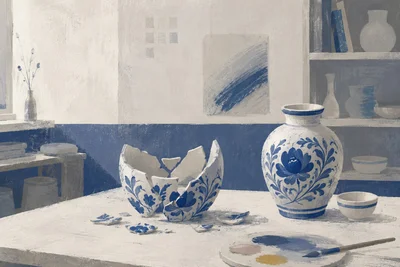
By 2009 Russia's most famous porcelain maker owed 425 million rubles. A conglomerate rebuilt it into a museum, not a factory.
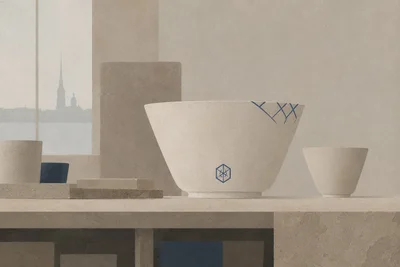
In 2000, a prosecutor opened a criminal case over who owned a blue lattice pattern on teacups from a factory that was already 256 years old.
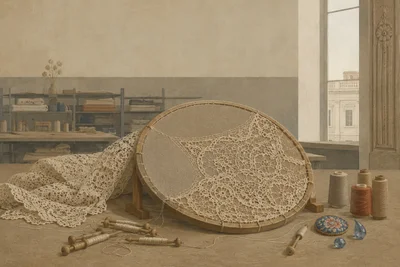
Her couture was built on being Russian. In 2022 that identity lost its Paris stage — yet 2024 revenue climbed 23.8% past a billion roubles.
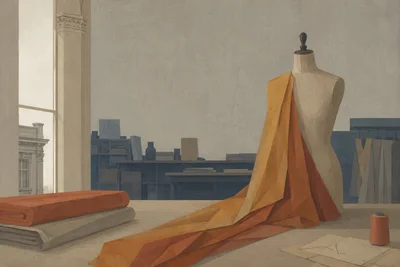
A Moscow couture house opened the month the ruble crashed in 1998 — and outlasted bankruptcy, lost buyers and sanctions on breadth, not scale.
A French-inspired café won factory and hospital canteens by reading as halal-friendly — yet no federal certificate sits on the public register.
11 years off-calendar in Paris before FHCM admission. When sanctions removed the slot, the infrastructure that earned it remained.
Salerno to Phuket: the family pizzaiolo who built five wood-fired branches supplied by the family's own mozzarella factory in Kathu.
Three generations built this winery through five crises — each one converting an irrigation showroom into the World's Best Vineyard Hall of Fame.

A government shutdown order in 1979 became Singapore's most enduring heritage bakery — S$76M in revenue, no down years, zero compromises.
Six-figure rebrand, then a pandemic: 51,790 community meals later, Penang's first Tamil fine-dining restaurant opened on the other side.

Eighteen restaurant concepts under one founder-owned roof — built on the gambit that premium-priced Indian cuisine could clear MICHELIN.
Twenty-seven years on the same Shanghai street — Da Marco closed voluntarily for two months in 2022 and found its customers still waiting.
Cartier left Russia. Chamovskikh's March 2022 sales hit 400% of plan — earned by Peterhof, a Romanov commission, and the state treasury.
When the ruble crashed in 2014, Gourji lost millions on Italian production overnight — then rebuilt its entire supply chain inside Russia.
A Moscow jewelry laboratory where every ring is an engineering puzzle — pieces that open, transform, and hide diamonds inside mechanisms.

A palace photo shoot in 2010 revealed no Russian-style jewelry existed — the gap Aksyonov filled is now in the museum alongside Fabergé.
Gagarin wore it in 1961. Omega went to the Moon in 1969. Omega became the Moonwatch. This is what happened to the watch that got there first.
Moscow's JAR-inspired bespoke atelier built clients in London, New York, Zurich with zero advertising — then vanished after 2014 without a word.

Co-founder died. Founding designer expelled. Russia exited under sanctions. Eight pieces in the Kremlin Armoury — now headquartered in Hong Kong.
One swallow bracelet. One ruble crash. Ten years later — two Moscow boutiques in the spaces Richemont and Roger Dubuis left behind.
Malaysia's oldest restaurant lost 60% of its workforce in 18 months. Three years later, it opened a six-storey fine dining flagship.
A Moscow house proved "Russian style" meant silk, not matryoshkas — then its founder sold it in three pieces rather than watch it collapse.
Gigi Hadid wore its suits and Selfridges stocked it — then a 2022 export ban erased Lesyanebo's supply chain and Kyiv creative base overnight.
Eight months of zero profit at a Chatuchak stall. Then 80,000 baht in one day. A zero-debt Thai brand became a 16-store lifestyle empire.
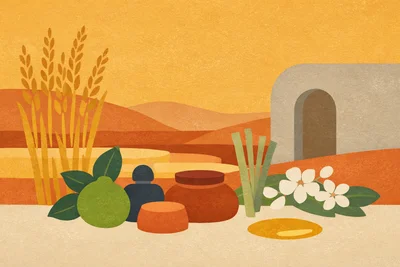
Every Bangkok mall rejected HARNN. The airport counter they settled for launched a rice bran oil brand to 17 countries and a $30.3 million exit.
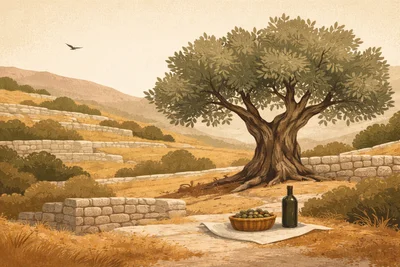
No country code, no sovereign port, military checkpoints between factory and sea — and 600 American retailers stocking Palestinian olive oil.
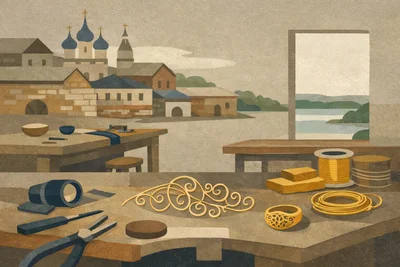
A bankrupt factory with six months of unpaid wages during the 1998 crash became the core of Russia's first vertically integrated jewelry empire.

A former sniper-scope polisher now sets gemstones at Avgvst's Ural factories. When sanctions hit, the brand split in two and grew 40%.
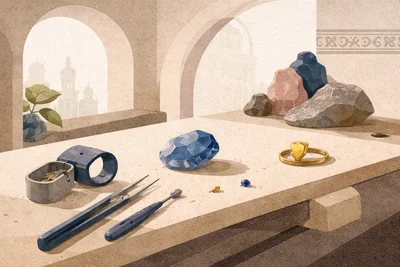
Thirteen years in Italy, then he scrapped it all. Six months of failed production later, fifty craftsmen who stunned Valenza.

Russia's only carbon-fiber jeweler lost its namesake designer in 2016 — and the rebrand proved more generative than the original.
Lost its own name for $25,000 in 1951. Watched it sell for $1.55B on toilet cleaner. Recovered it for $38M. Still unprofitable.
The most advanced enamel jewelry in the world is made by a self-taught Tatar who fires gold at 950°C — fifty degrees from destruction.
A failed movement four months before Baselworld. Fourteen people. The Joker was born from panic — and sold out in weeks at Basel.
One of a small number of watchmakers globally making its own hairsprings, independent of the Nivarox supply chain most of the industry relies on.
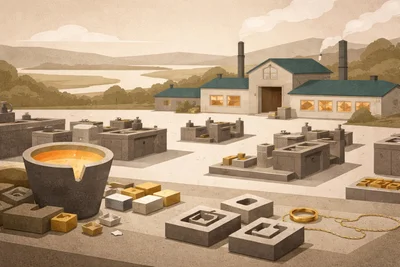
A village with no gold makes 60% of Russia's jewelry. Its dominant company started with nine people — and sold for an estimated ₽30–40bn.
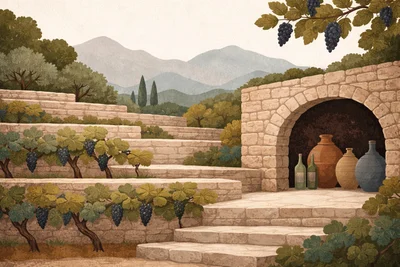
In a country where every winery makes semi-sweet wine, one family from a village of 843 refused. Their Malbec just won the national Gold Medal.
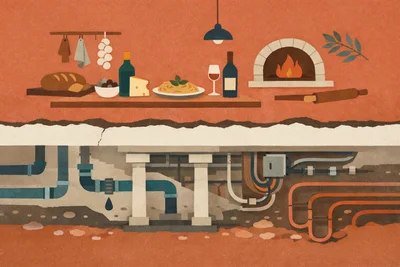
A freight forwarder, not a chef, built China's largest Italian food brand. When Shanghai locked down ten venues, his supply chain held.

Seven Shopify products hide a 500-year medical dynasty — 120+ herbal medicines, 1,300 pharmacies, and Mongolia's highest medical honor.
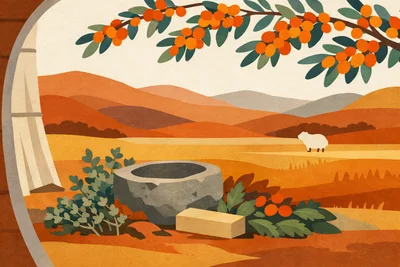
Zero capital, zero connections. A 20-year-old sold 5,000 bath bombs in 90 days and built Mongolia's first organic empire — no outside investors.
746 monasteries burned to erase Mongolian traditional medicine. One healing lineage survived in secret. The tenth generation now sells it.
A food mixer and three employees in 1989. Zero revenue by 1992. The nettle shampoo that survived became Mongolia's first cosmetics export.
She left a 161-country cosmetics career to return to a Mongolian farm. Four staff then built a four-country export architecture for 12 markets.
A Tsar sampled wine here in 1837. Sanctions mean you never will. Crimea's most exclusive winery produces 40,000 bottles for Russia alone.
Russia's standard vineyard density is 3,000 vines per hectare. Château Sort planted 6,700—and turned skeptics into believers.
Seven gold medals at Mundus Vini in a single vintage. First Russian winery to achieve it. Now $80 bottles that win European competitions blind.
Purchased land for apple storage. Discovered 2,000-year-old fortress ruins and extinct French grape variety. Now Russia's #3 Sauvignon Blanc.
No distributor would touch Russia's first licensed family winery. Four years later, hand-painted bottles sell from Sochi to Vladivostok.
A 40-year industry veteran's boutique winery survived 754M rubles of bankruptcy. Six years later: Forbes TOP100Wines.ru 2021.
He made his fortune in potatoes. Then buried grapevines at 53°N where winter hits -47°C. The 2019 frost killed half his harvest. He kept going.
A frozen vineyard destroyed $2 million. The response: university at 43, indigenous grapes nobody wanted, and Russia's first Luca Maroni score.
Two distributors walked away. Wine Spectator dismissed Russian wines. Then this construction CEO reached World's Best Vineyards #20.
21 years of organic farming, no certification system. $15M in losses, forced sale. Then in 2022: first organic certification in Krasnodar.
Billionaire rescue capital, a highway 'lighthouse' winery, Russia's first World's Best Vineyards entry—from a project profitable only in 2024.
Helicopter search for one hectare found 200. Forbes billionaire agreed instantly. Four years of losses before Russia's Wine of the Year.
He produces only 100 bottles per wine from his basement. No retail, no prices—just free tastings that draw celebrities to Dagestan.
Kremlin toast in 2012. Bankrupt by 2018. Michel Rolland consulting by 2021. Russia's first French-style winery refuses to die.
Malaysian cacao crashed 99.9%. This company pays farmers 3x market rates and won the country's first international chocolate awards.
168 years old, seven in court. Four families nearly destroyed Malaysia's oldest confectionery. Sesame oil—not pastries—now 70% of revenue.

Launched during SARS into Shanghai's missing middle. Academy-trained consistency scaled across continents—then survived the founder's full exit.
Igor Samsonov died at 46. Eleven months later, Forbes crowned ESSE Winery of the Year. His quality systems outlived him—Crimea's boldest bet.
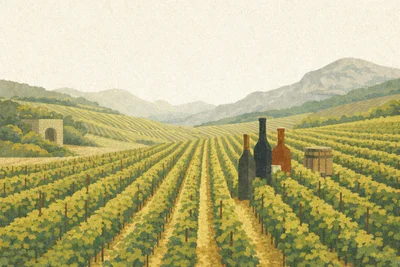
When Italian nurseries refused Crimea shipments, these auto billionaires found Serbian suppliers—then planted Russia's densest vineyard anyway.
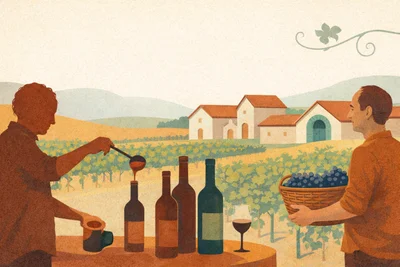
Russia's #31-ranked winery produces just 5,000 bottles annually—by two professionals who kept their day jobs and work weekends only.
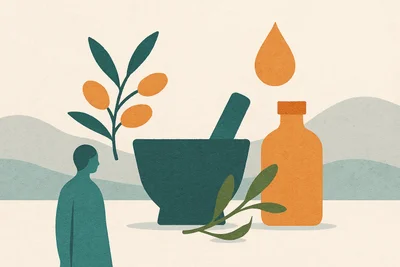
Twelve days after opening, thieves stole everything. Khulan caught the thief herself, survived three floods, built Mongolia's export leader
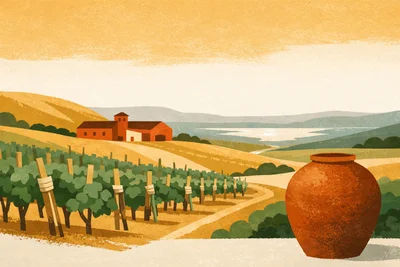
A grandfather bought land when his grandson Mark was born. Eleven years later, Marko became Stavropol's sixth licensed winery.
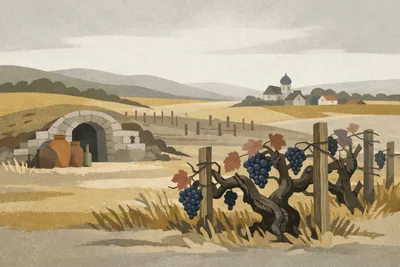
Soviet authorities destroyed 93% of Don Valley vineyards. One patriarch refused to cut a single vine, preserving 30+ extinct varieties.
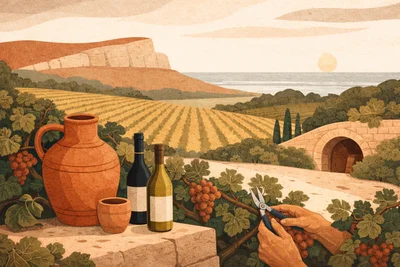
Eight years from borrowed licenses to Grand Prix champion. A self-taught ceramics maker built one of Russia's ten Laureate wineries.

Three years after annexation closed Western markets, a father-son team built a Forbes-recognized winery on sanctioned Crimean soil.

Russian Orthodox Church spent eight years preparing. Debut year: #12 nationally at 93.5 points. Two years in: Double Gold at Terravino.
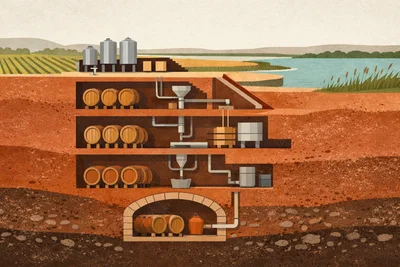
Loans at 24%. Twelve years unprofitable. Friends watching her 'descend into a pit.' Then Certificate №001—Russia's first federal license.
Imperial decree, Soviet survival, Western sanctions. In 152 years, Abrau-Durso has outlasted every force that tried to end it.
EU sanctions closed exports in 2014. Alma Valley built Russia's only gravity-flow winery, won IWSC medals, rode import substitution.
Soviet bulk winery hired an Australian consultant in 2004. Today: 36.6 million bottles, Parker 97, 800K bottles to China yearly.
Europe's largest underground cellars—55,000 sqm carved into Roman quarries where natural limestone maintains 14–18°C year-round.
$110 million and Château Mouton Rothschild's winemaker built Russia's first 91-point Parker wine. Bankruptcy. New owners inherit.
Russia's champagne birthplace. Prince Golitsyn carved cellars into coastal cliffs in 1878—tunnels that supplied tsars and outlasted regimes.

A 300-year winemaking tradition nearly died in 2018—not from market failure, but one death without succession. 720M RUB debt.
750,000 rubles per bottle—a Russian wine record. Krasnostop Zolotovsky grapes are DNA-verified to exist nowhere else on Earth.
A converted dairy factory. Russia's first still Pinot Meunier. Forbes Top100 at 93 points. All while Western sanctions closed export markets.
The harbor where the Light Brigade charged in 1854 now produces 10 million bottles of sparkling wine annually from 135 years of heritage.
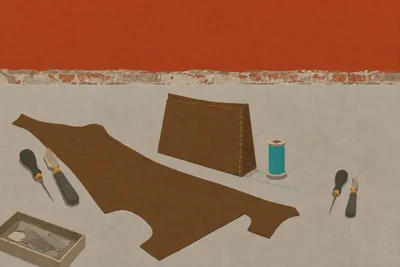
Sanctions banned the Italian leather and German hardware this workshop was built on. It kept growing anyway — how remains undisclosed.
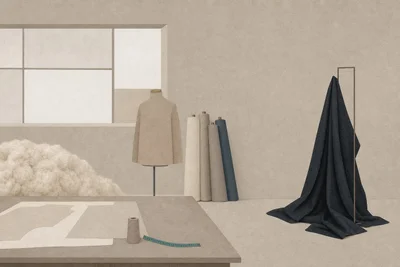
TEGIN's cashmere line survived sanctions when its European buyers vanished — the profit no one notices funds the concept no one can copy.
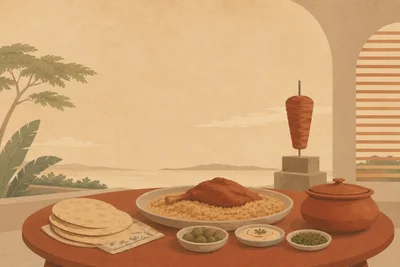
456 followers, cash-only, born in a hotel lobby — yet two Penang outlets in three years, built by a chef who carried Aleppo out of a war.
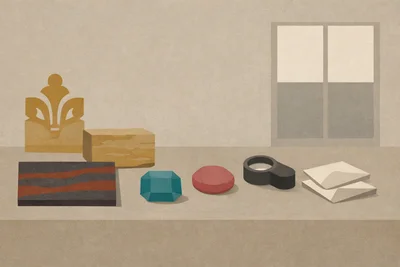
Two Moscow journalists who became jewelers set antique stones — possibly once worn by queens — into Damascus steel and petrified wood.
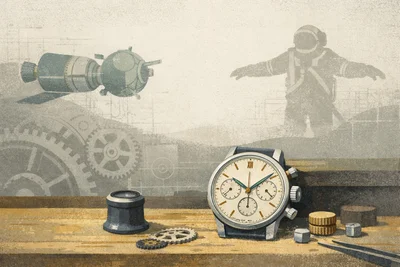
The Soviet chronograph that beat the Speedmaster to open space costs €435 today — assembled in Munich by one man with 50,000+ eBay reviews.
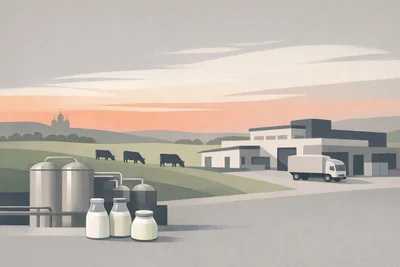
Their milk expires in twelve hours. Three ex-miners with zero farming experience built Moscow's most demanding dairy brand from Arctic scratch.

A Thai beauty brand built on Rama V court flower recipes — COVID destroyed 40% of revenue, then a THB 72M corporate deal reshaped its future.

Told for a decade that Thai luxury was impossible. Revenue hit zero during COVID. Then tripled to $32M — and KOSE paid $79M to acquire it.
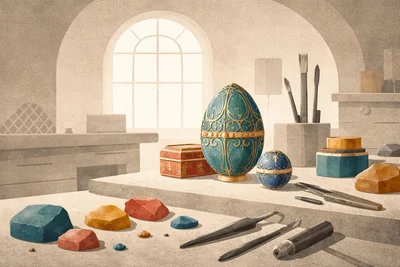
A ₽742M heritage jeweler in a ₽460B market — surviving Imperial collapse, WWII siege, bankruptcy, and Western sanctions across 113 years on Fabergé Square.

Against 28 million bottles of semi-sweet, a telecom CEO set up Italian equipment in an Abkhazian village and won five international medals.

Twenty-six products became three. Staff fell from eleven to seven. The pruning produced one of two Mongolian cosmetics with EU registration.

Fifteen rival brands, one export identity, a Berlin storefront — an English teacher built Mongolia's collective path to European shelves.

A beautician in the Gobi Desert sources camel milk from herders 216 kilometers away to make cosmetics no coastal competitor can replicate.

Twenty-one products from a mother's kitchen in Ulaanbaatar — priced $4 to $17, invisible online, yet stocked at New York's World Trade Center.
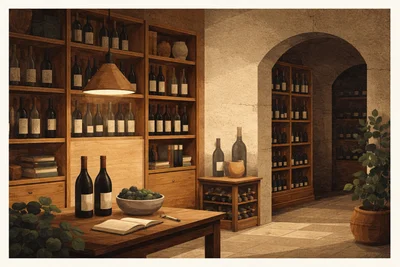
Russia's most prestigious wine portfolio—Romanée-Conti, Pétrus, Gaja—belongs to two engineering students who started by selling dishes.
One location for eleven years. Then three in two years. When pandemic shuttered competitors, its grocery model kept revenue flowing.

$5,000 on grandmother's land. 100,000 jobs created. Ethiopia's first global fashion brand, built on a technique the market had dismissed.
Directory of emerging brands in our research pipeline.
| Brand | Website |
|---|---|
| Him Heang | — |
| LaPerla Mongolian | — |
| Lee Beng Chuan Joss Sticks | — |
| Uulen | — |
| Brand | City | Country | Year | Website | Tier |
|---|---|---|---|---|---|
| Loading... | |||||
| No brands found matching your criteria. | |||||
| Visit — | Resilient Profiled Listed | ||||

Serbia's wine sector restarted from zero in 1990. Its export bet is a grape the West can't benchmark — and the China window just opened.

George Town lost 82% of its residents in 16 years. Its century-old food houses survived — by handing the recipes to a new generation.

Three founder-to-next-generation handovers documented. Sixty percent of Malaysia's boutique heritage founders are still mid-transition.

Malaysia's largest beauty chain runs 130-plus branches across three countries. No English-language database carries it. Hannan is half the story.

Thailand's founder-owned brands survived three crisis waves. The founders are 55–68. The succession wave has no map — until now.

13 founder-owned hotel groups. Three crises in 25 years. Invisible to Western databases. Michelin found them in September 2024.

Western beauty fled Russia in 2022. Russian founders had spent sixteen years building exactly the kind of sector that could absorb the shock.

When every Western gin brand vanished from Russia in 2022, bartenders didn't wait for replacements. They built 426 of their own.

Twin crises — systemic honey fraud and mass bee die-offs — are forcing Russia toward branded products the world has never catalogued.

Africa's largest honey producer exports almost nothing. War, diaspora founders, and a standards revolution are changing that.

A 240-year tradition, an 18x export surge, and founders who survived fraud and genetic collapse — invisible to every database.

Russia invented kefir. The world adopted it. A mining family, a German intern, and a student are building what heritage alone could not.

A $150M industry where 95% has no label, 99% of firms are family-owned, and zero appear in PitchBook. The founders are ageing out.

Famous Russian porcelain names are all corporate-owned. The real story: career-pivoters building an artisan movement from the wreckage.

A dome builder. A programmer. A violinist. They built Russia's specialty cheese sector from nothing and won gold in France.

Switzerland exported zero watches to Russia in January 2023. The sector it left behind had been quietly building for three decades.

He sold his house, his car, commuted by taxi. Today he holds the Middle East's first Swarovski license. Iran's leather sector hides 35 brands.

A chef in Kuala Lumpur and a logistics man in Shanghai independently built Italian food empires by solving the same ingredient problem.

Fifteen rival Mongolian cosmetics makers formed one collective export brand. The rivals who hid formulas now share a Berlin storefront.

What if the best succession means leaving the family business? The Uzunovs discovered how knowledge can transfer without institutions.

$463M insurance exit. $110M wine bet. First Russian 91-point Parker wine. Then the Nikolaevs walked away—mission accomplished.

From yak milk and -40°C botanicals, Mongolia builds EU-certified beauty brands — nomadic tradition meeting modern organic certification.
Type to search across all brands, founders, and insights